new momentum | new mindsets | new models
For Cooperation in Transition
The TASC Platform equips policymakers and changemakers to manage uncertainty and steer human-centered transitions

This curated conversation, co-convened by the TASC Platform and the Swiss State Secretariat for Economic Affairs SECO, brought together experts and delegates working on trade, labour, digital and environmental issues to discuss new dynamics at the intersection of trade and labour.

INDL-9 is the ninth annual conference of the International Network on Digital Labour. Under the theme “AI Supply Chains: Building an interdisciplinary research agenda for AI and labour”, the conference explores the people, processes and working conditions underpinning the development and deployment of artificial intelligence.
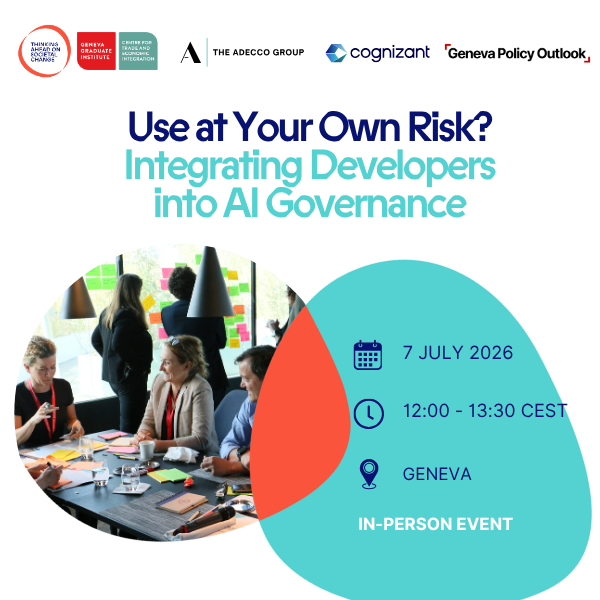
Held alongside the UN Global Dialogue on AI Governance, this high-level working lunch explores how the decisions shaping AI safety, transparency, and trust are increasingly made during design and development—and what meaningful developer accountability looks like across organisations, regulation, and international AI governance.
As economic transitions accelerate, the challenge is not only how economies transform, but how these transformations are governed. This webinar explores emerging insights from the Trade and Labour Programme and introduces a forthcoming policy tool designed to help policymakers better align trade and labour strategies for more inclusive outcomes.
Ha-Joon Chang joins the UN Economist Network’s global book webinar series for a conversation on pluralism in economics, moderated by James K. Galbraith.
Beyond Tariffs: Reconnecting Economic Policy with Social Development is a CSocD64 side event co-sponsored by the Permanent Mission of Switzerland to the United Nations and the Delegation of the European Union to the United Nations, and co-organised by the TASC Platform, the Geneva Graduate Institute, and the Global Labor Institute (GLI), Cornell University. The event explores how evolving economic policy frameworks can better support social development, decent work, and inclusive transitions in the context of green and digital change.
Join the UN Economist Network for the opening webinar of its 2026 Global Book Talk series, featuring Diane Elson in conversation on The Diane Elson Reader: Gender, Development and Macroeconomic Policy. This session explores how feminist economics has reshaped macroeconomic thinking on development, care, labour, and social justice, and why these perspectives remain essential to advancing more human-centred and inclusive economic policy today.

Join the UN Economist Network for a special webinar with the authors of Decolonizing Economics: An Introduction, exploring how economics can move beyond its Eurocentric roots to address inequality, power, and global development more inclusively. This interactive discussion brings together economists, policymakers, and practitioners committed to reimagining economic thought for a fairer, more sustainable world.

Ready to imagine the future, not just predict it?
Join SolveCC, NACCE, and the TASC Platform at the AI for Good Summit 2025 for a dynamic workshop blending expert insight, community storytelling, and collaborative roadmapping to reimagine the future of learning and work by 2035.

Aligning Control and Accountability in the New AI Supply Chain
On the sidelines of the AI for Good Summit, this by-invitation workshop—hosted by the TASC Platform in collaboration with IASEAI and Cognizant—explores how governance must evolve as AI systems become more autonomous and responsibilities more diffuse.

Join Beyond Lab, IISD, and TASC Platform at Palais des Nations for an interactive workshop on moving beyond GDP towards inclusive and sustainable economies. Engage with policymakers, researchers, and young leaders to shape a future that prioritises social, environmental, and economic wellbeing.

The "Decent Work, Brighter Futures" Talk Series, hosted by YouthForesight in collaboration with the TASC Platform of the Graduate Institute, explores youth employment trends, aspirations, and challenges over the past 20 years through intergenerational dialogues. The 4th event will be in Spanish, focusing on the Latin America and Caribbean, with the series covering global and regional youth labor market transitions and generating ideas for multilateral action.

The "Decent Work, Brighter Futures" Talk Series, hosted by YouthForesight in collaboration with the TASC Platform of the Graduate Institute, explores youth employment trends, aspirations, and challenges over the past 20 years through intergenerational dialogues. The 3rd event focuses on Europe, with the series covering global and regional youth labor market transitions and generating ideas for multilateral action.

The "Decent Work, Brighter Futures" Talk Series, hosted by YouthForesight in collaboration with the TASC Platform of the Graduate Institute and Plan International Indonesia, explores youth employment trends, aspirations, and challenges over the past 20 years through intergenerational dialogues. The first event focuses on Asia and the Pacific, with the series covering global and regional youth labor market transitions and generating ideas for multilateral action.

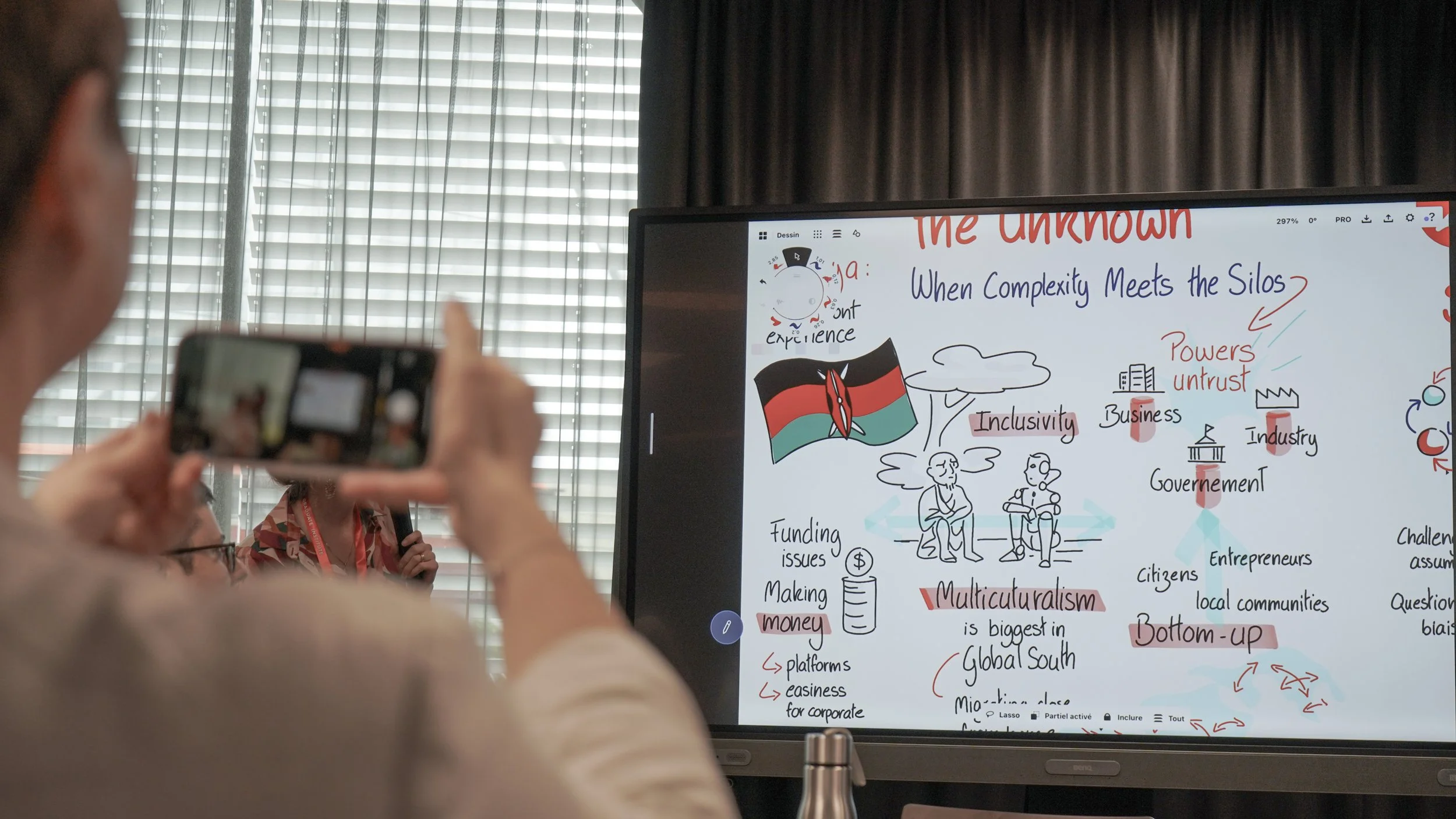
Participate in our session at the Migration Summit, "Transforming the Future of Work: The Power of Systems Thinking for Collaborative Actions in AI and Migration." In this interactive session, the TASC Platform will share insights from the Future of Work Summit, introduce participants to the power of systems thinking as a tool for informing collaboration and silo-breaking, and discuss the challenges of working with the unknown.
The Future of Work Summit 2024
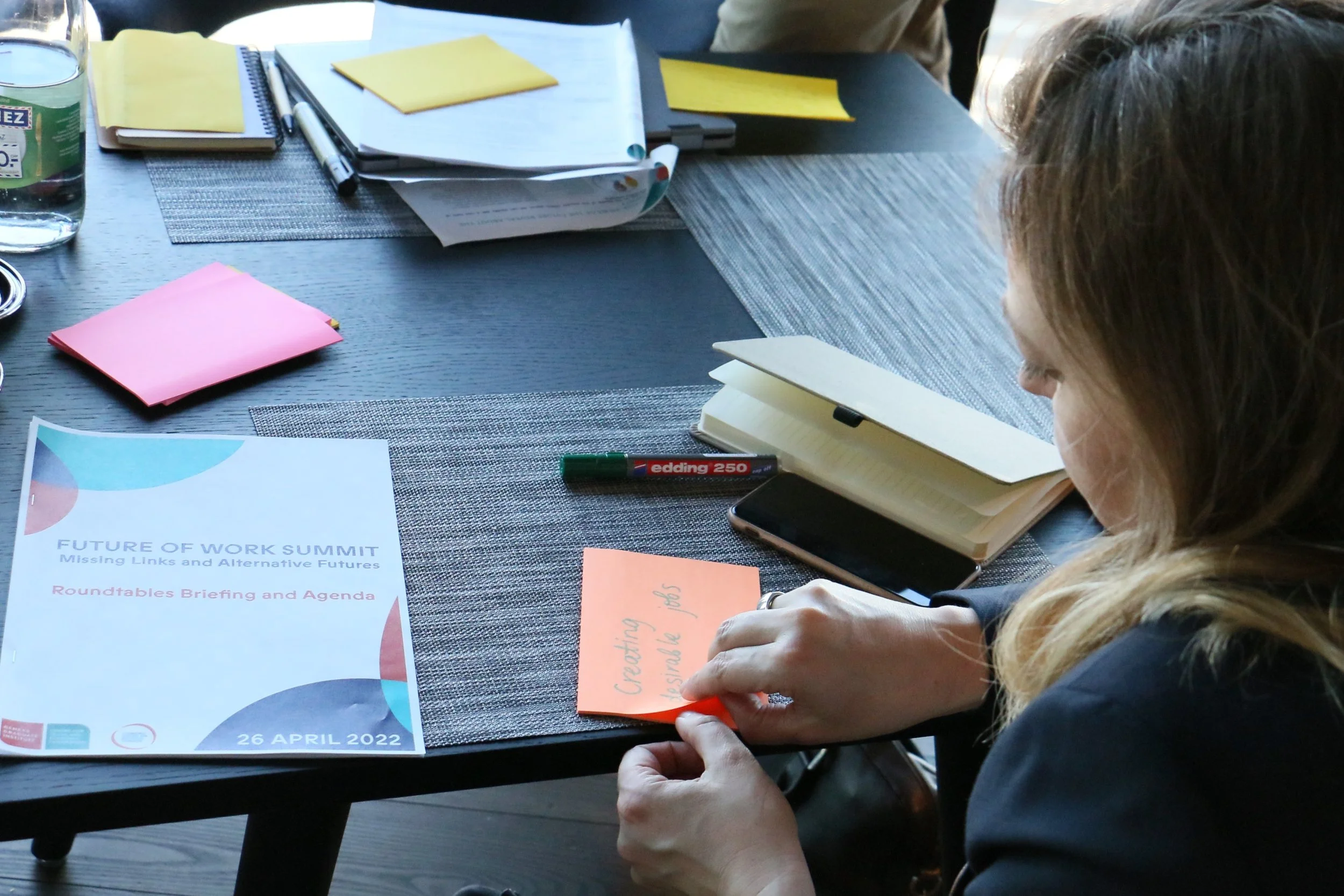
The Future of Work Summit 2024 engaged with the challenge of building trust for collaborative policy building and a renewed social contract - with a focus on two crucial unknowns at the forefront of domestic and international discourse: Artificial Intelligence (AI) and Migration, in recognition of World Refugee Day.

Discover the cutting-edge discussions and hands-on workshops at the ITU AI for Good Global Summit, where leaders converge to shape the future of Artificial Intelligence. Join the movement towards ethical, innovative AI solutions that benefit society at large. Register here: https://aiforgood.itu.int/event/ai-futures/

Join International Labour Organization (ILO) and the TASC Platform for an enlightening discussion with Richard Samans, ILO's Director of Research, on "Human-Centered Economics: The Living Standards of Nations." Explore transformative economic paradigms and pathways toward global well-being.

Join our discussion to explore the role International Geneva has to play in the quest for #SocialJustice.


This celebratory event will launch the new book, “Social Justice and the World of Work: Possible Global Futures”, edited by Brian Langille and Anne Trebilcock in honour of Francis Maupin, Former ILO legal adviser and Special Adviser to the ILO Director-General.
Join us to explore the concept of social justice at work, re-imagine the trajectory for international organizations, and celebrate the contributions of Francis Maupain - an inspiration for those who, in a changing world, seize opportunities for creativity in the pursuit of global justice at work.

AI is advancing faster than even technology experts predicted, and the impact on the world of work is a central concern. As the capabilities of generative AI rise exponentially, human imagination is struggling to keep up. Can imagine a future of meaningful cooperation with advanced technology – or a world where goods and value could be created without human work? What would these different realities mean for our future lives and lifestyles, and for our collective welfare, wellbeing, and wealth – and what future would we want?

This panel will explore the pathways and challenges for integration for peoples of migratory and displacement backgrounds. It will highlight and explore the exclusionary dynamics of migratory regimes, and how these might be challenged. In particular, the panel will also focus on how migration, gender, and digital world(s) intersect in processes of migration, exclusion, and inclusion. The gathered activists will focus on their own lived experiences and share how all might intervene and construct their own advocacy agendas to construct truly inclusive societies in Switzerland, in particular, and globally, more broadly.

As the future of work faces multiple transitions in the context of poly-crises, we are convening diverse thinkers and actors, from International Geneva and beyond, to explore issues at the forefront of the international agenda through the lens of social justice.

Welcome to “Visions of the Future of Work”, a global AI storytelling and film competition dedicated to explore and depict the future of work to inspire positive change. As there is no doubt AI will completely transform the way we work, we believe that we can lead the way in imagining and shaping what that future of work will be through the power of storytelling, videos, films and AI.


The fabric of globalization has become frayed in recent years by domestic political factors, geo-economic shifts and post-pandemic concerns about supply-chain resilience.
What does the future of global integration look like, and who stands to gain and lose from the changes under way?

Fair Play is a documentary film by Jennifer Siebel Newsom in partnership with Hello Sunshine which aims to make the invisible care work historically held by women visible. It highlights how unfair dynamics in the home are linked to systemic issues affecting millions of families across the globe.
Our Insights
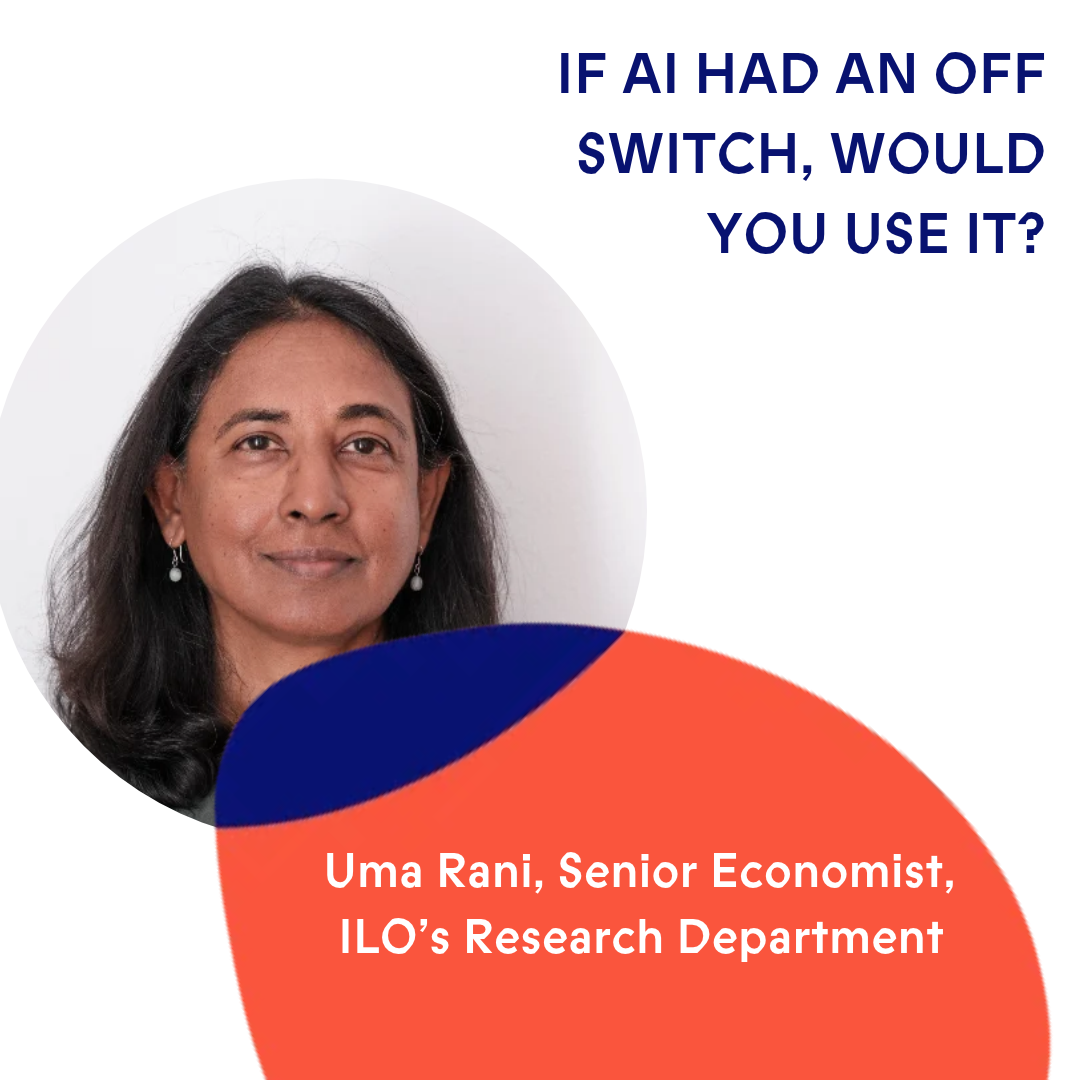
In this reflection on the closing roundtable of INDL-9, Uma Rani, Senior Economist in the ILO’s Research Department examines what a wider view of AI supply chains concretely means and shares the questions research is currently asking, evidence policymakers need, and where policy can intervene to strengthen AI governance and shape the future of work.
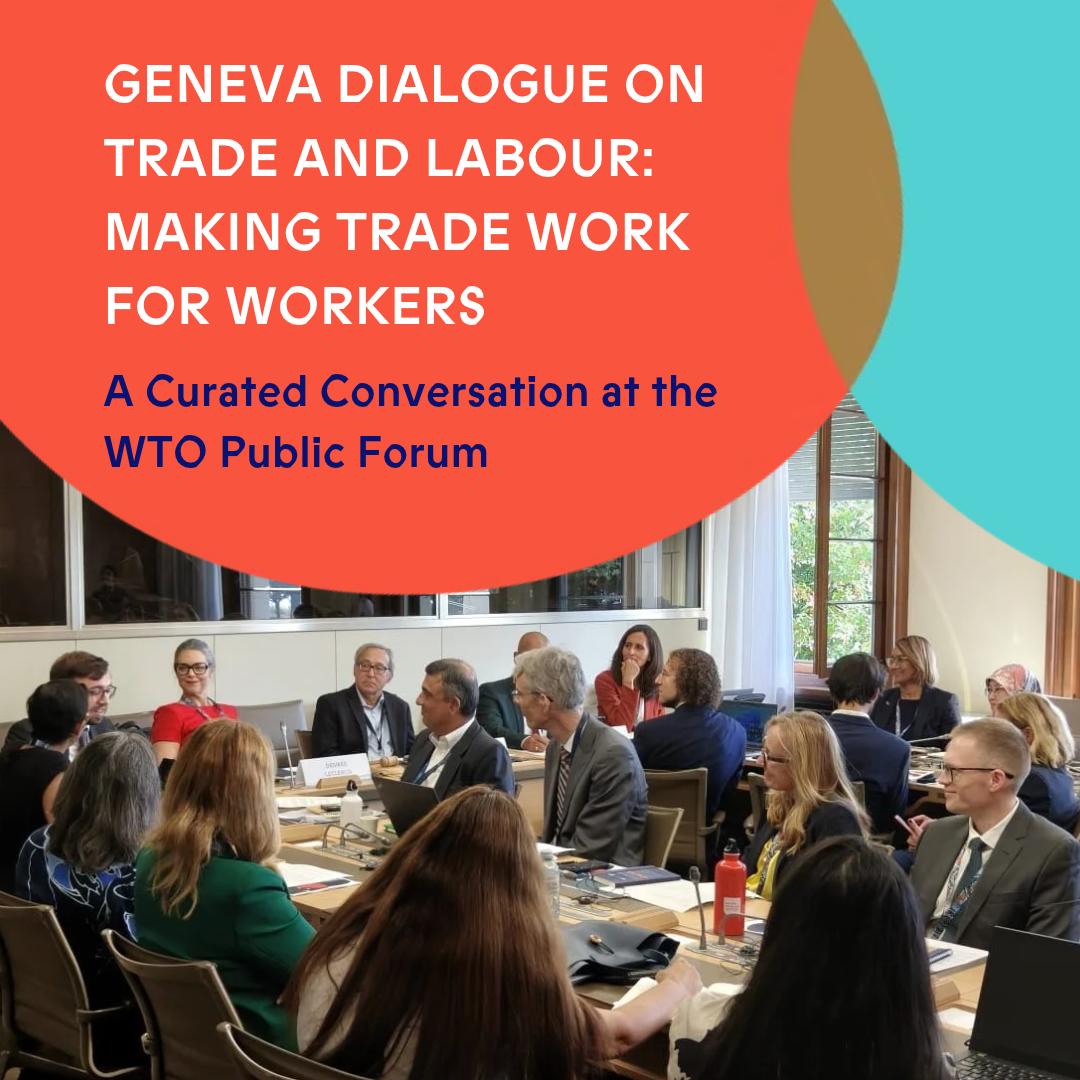
This session summary of the Geneva Dialogue on Trade and Labour, held during Geneva Trade Week 2026 as part of the WTO Public Forum, compiles key insights, questions and proposals emerging from the discussion. The Dialogue explored how trade and labour can be brought into closer alignment in practice, from labour adjustment and policy coherence to implementation and institutional cooperation, while revisiting the historical relationship between the two.
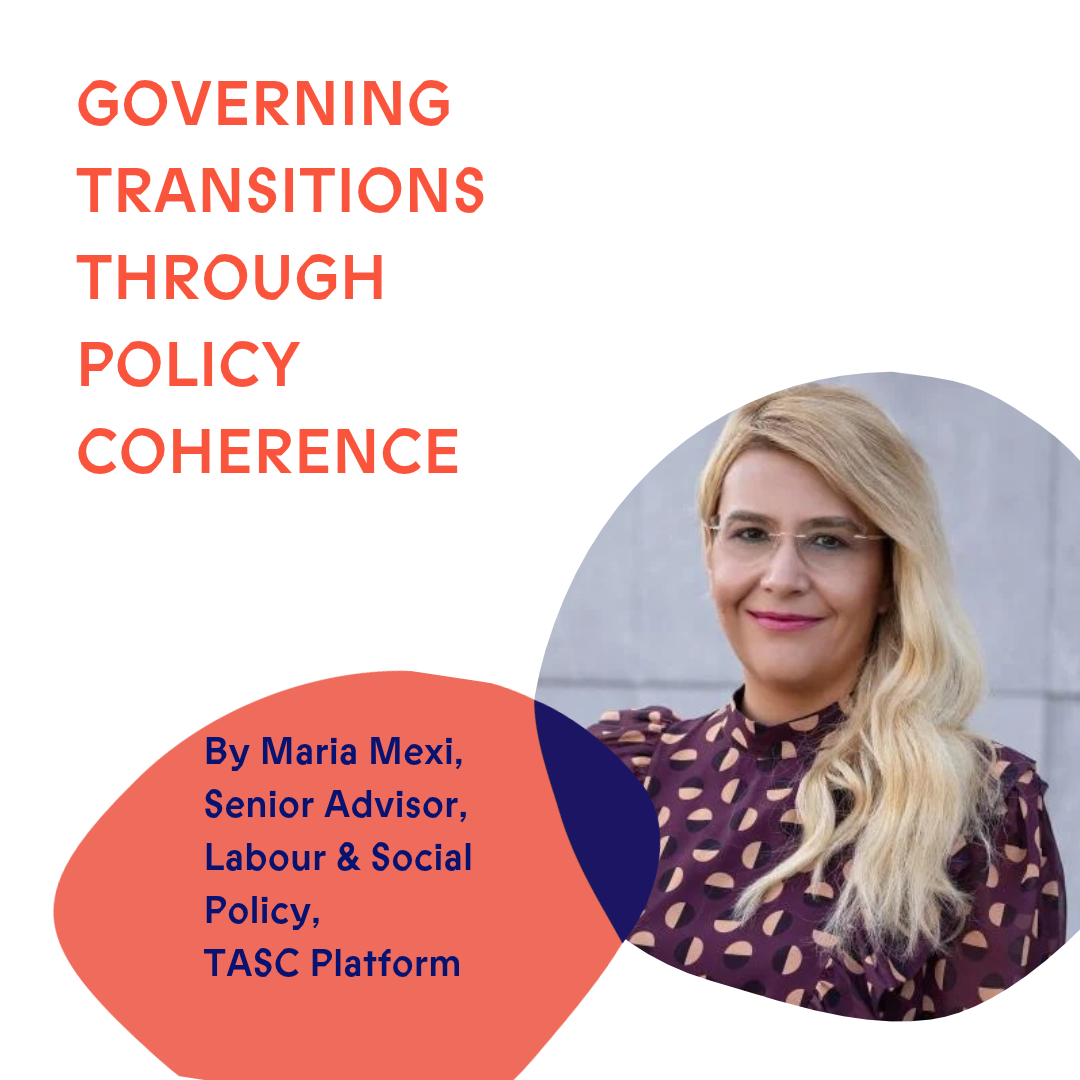
In her intervention to the Geneva Dialogue on Trade and Labour, held during Geneva Trade Week 2026 as part of the WTO Public Forum, Maria Mexi, PhD, Senior Advisor, Labour and Social Policy, TASC Platform, Geneva Graduate Institute, draws on two years of research to examine a central governance question: how can institutions keep pace with economic transformation so that transitions are just?

In her intervention to the Geneva Dialogue on Trade and Labour, held during Geneva Trade Week 2026 as part of the WTO Public Forum, Charlotte Sieber-Gasser, PD Dr. iur., Senior Researcher in International Law, Geneva Graduate Institute draws on four years of research to examine a central question: how can trade agreements better anticipate and manage labour adjustment?
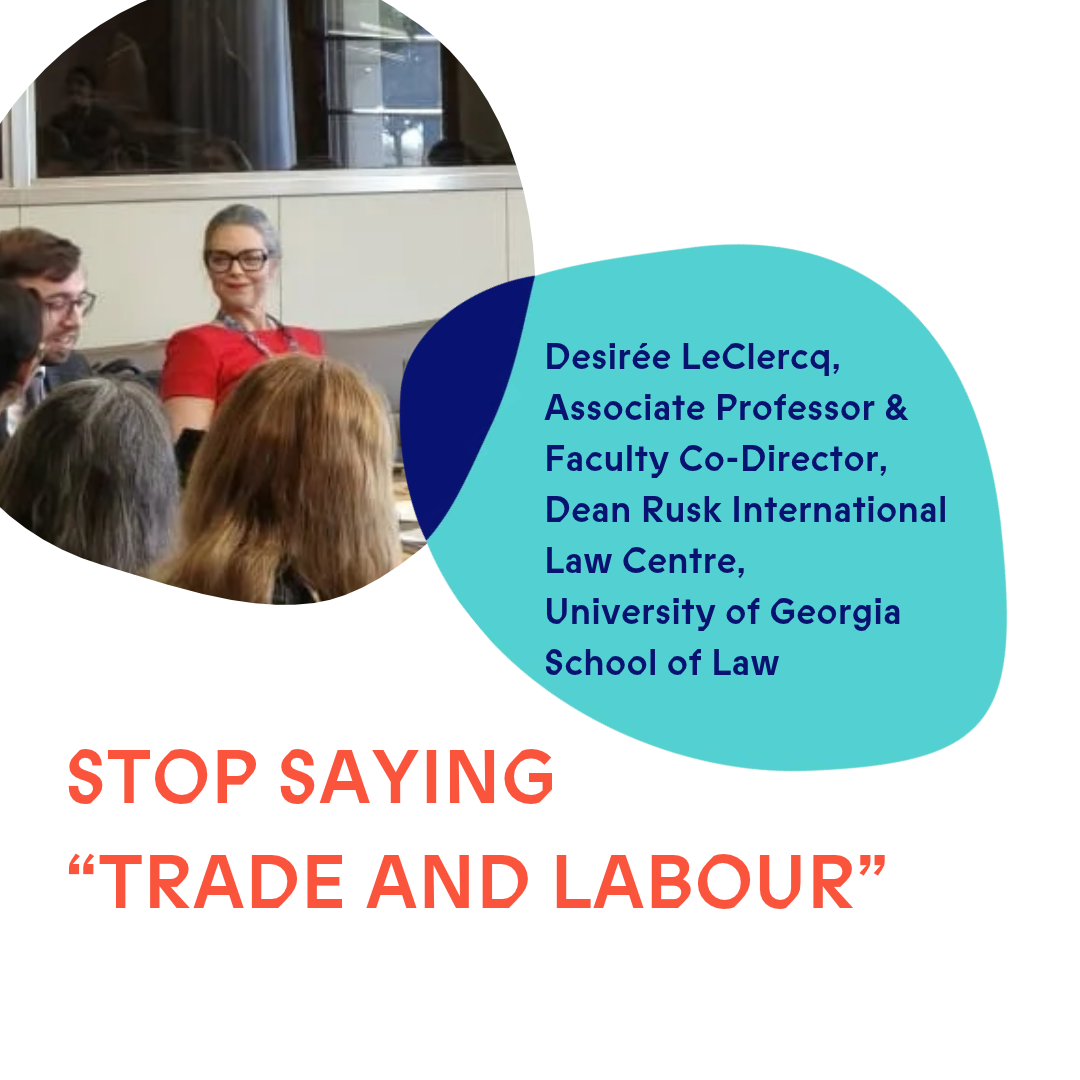
In her intervention to the Geneva Dialogue on Trade and Labour, held during Geneva Trade Week 2026 as part of the WTO Public Forum, Desirée LeClercq, Associate Professor and Faculty Co-Director of the Dean Rusk International Law Centre at the University of Georgia School of Law, challenges the conventional history of trade “and” labour policy. Revisiting the Havana Charter, and the proposed International Trade Organization, she brings an often overlooked history back into view: labour was not conceived as separate from trade policy, but as part of the original trade architecture, with safeguards against protectionist abuse.
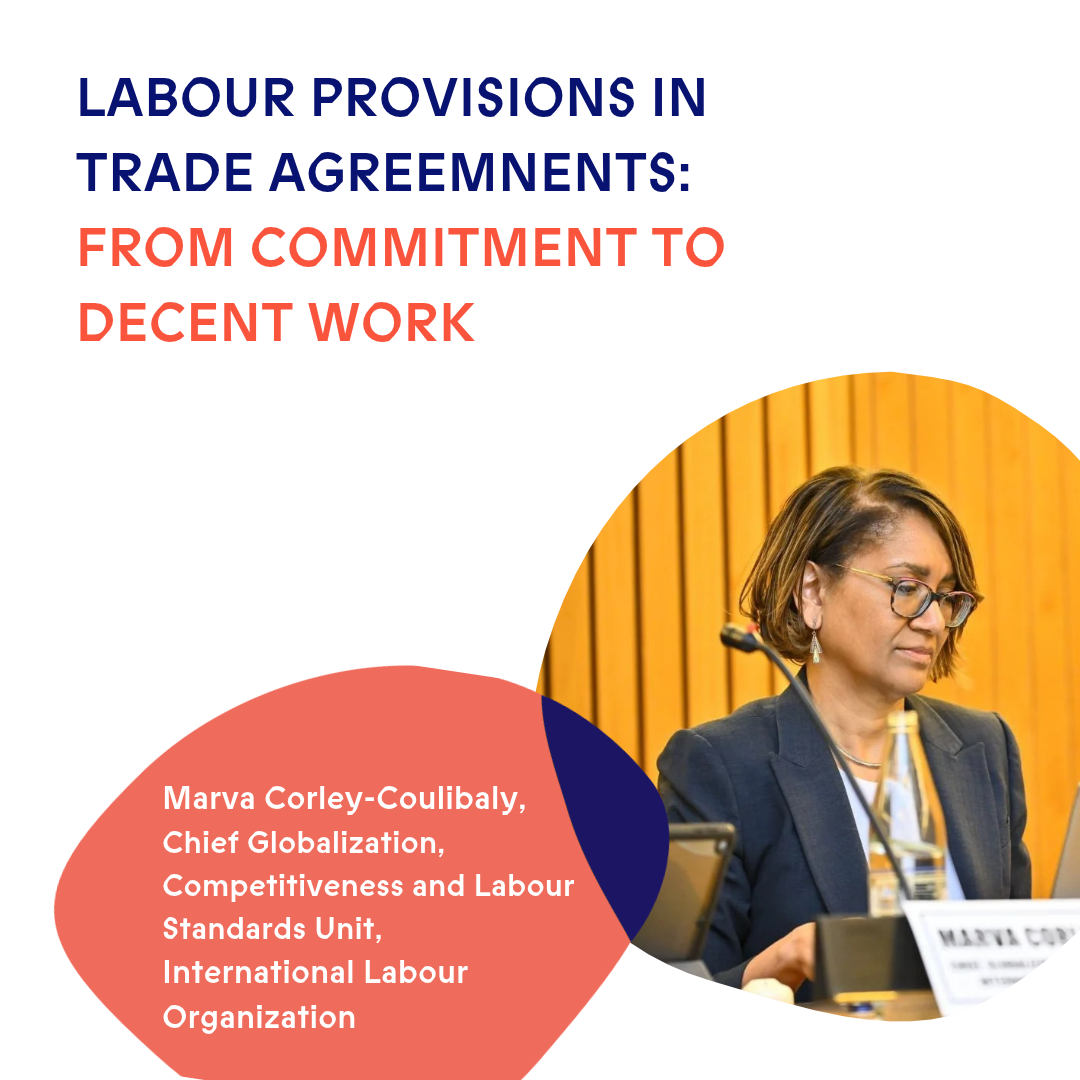
In her intervention to the Geneva Dialogue on Trade and Labour, held during Geneva Trade Week 2026 as part of the WTO Public Forum, Marva Corley-Coulibaly, Senior Economist at the International Labour Organization (ILO), examines the growing role of labour provisions in trade agreements. She looks beyond their inclusion on paper to the policies, institutions and stakeholder engagement needed to translate trade opportunities into better jobs and decent work.
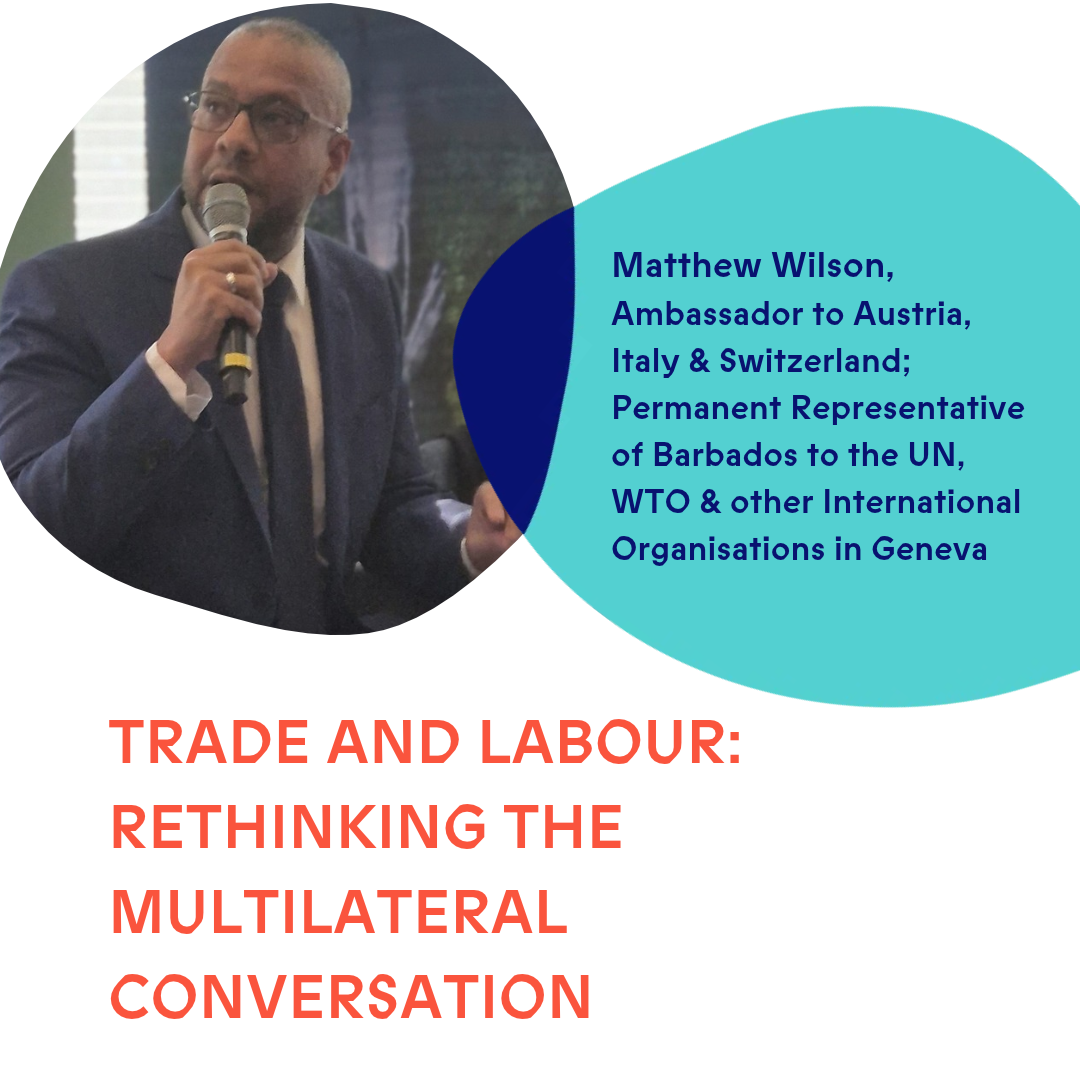
In his opening intervention to the Geneva Dialogue on Trade and Labour, held during Geneva Trade Week 2026 as part of the WTO Public Forum, Matthew Wilson, Ambassador to Austria, Italy & Switzerland; Permanent Representative of Barbados to the UN, WTO & other International Organisations in Geneva, examines the increasingly urgent relationship between trade and labour. He highlights tensions around competitiveness, labour standards and protectionism, and the need for greater coherence as the world of work changes.

In this address to the 2026 Annual Forum of the Global Coalition for Social Justice, Marie-Laure Salles, Director of the Geneva Graduate Institute, reflects on academia’s role in connecting rigorous research with policy and collective action. As the Geneva Graduate Institute approaches its centenary and concludes two years as the academic representative on the Coalition’s Coordinating Group, she returns to its founding conviction that scholarship, education and international public action must reinforce one another in advancing peace and social justice.
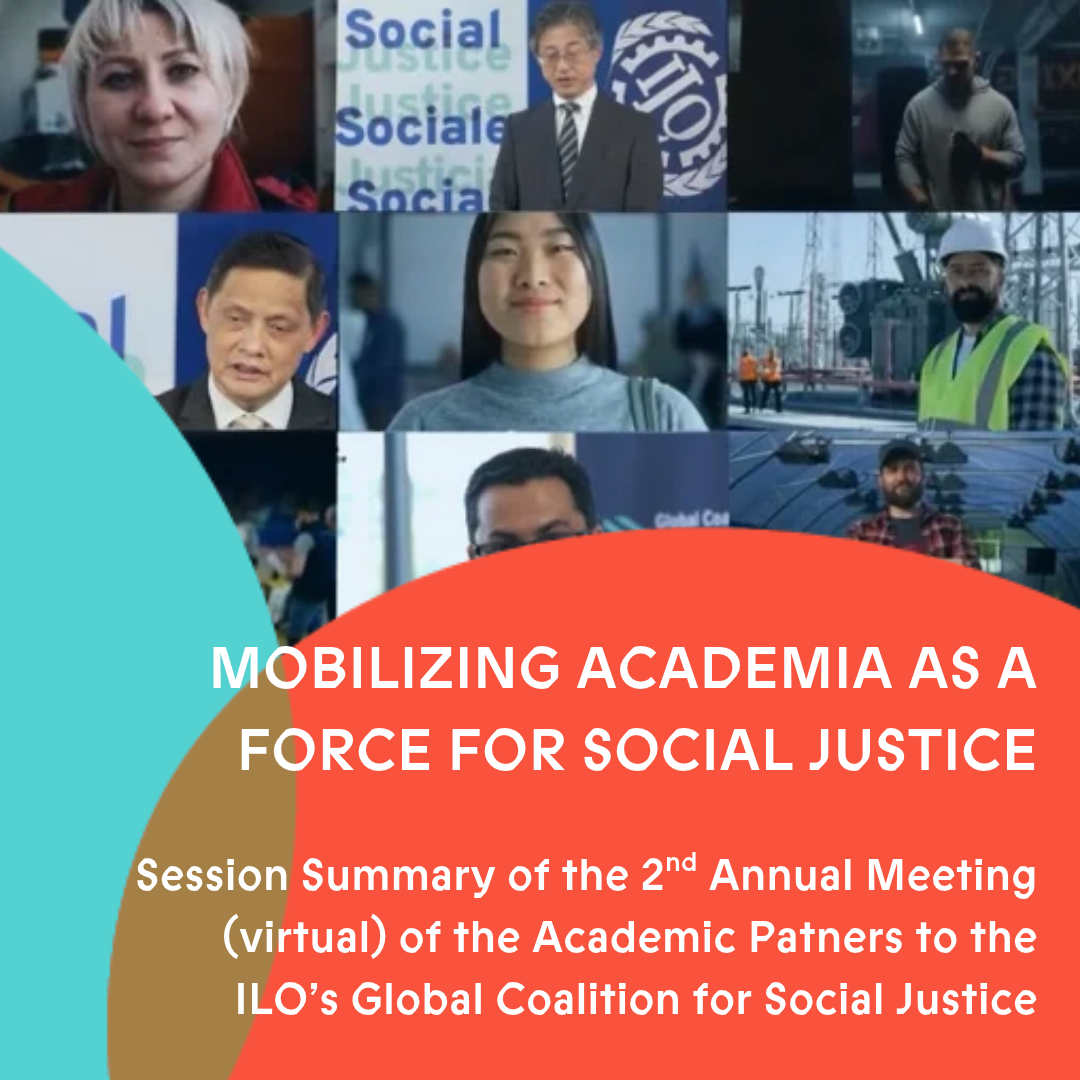
Ahead of the 2026 Annual Forum of the ILO’s Global Coalition for Social Justice, academic partners gathered virtually on 03 September 2026 for their second Academic Meeting.
Co-hosted by the Geneva Graduate Institute, University of Panama and Stellenbosch University, this exchange explored how research, regional engagement and academic collaboration can translate knowledge into action for social justice.
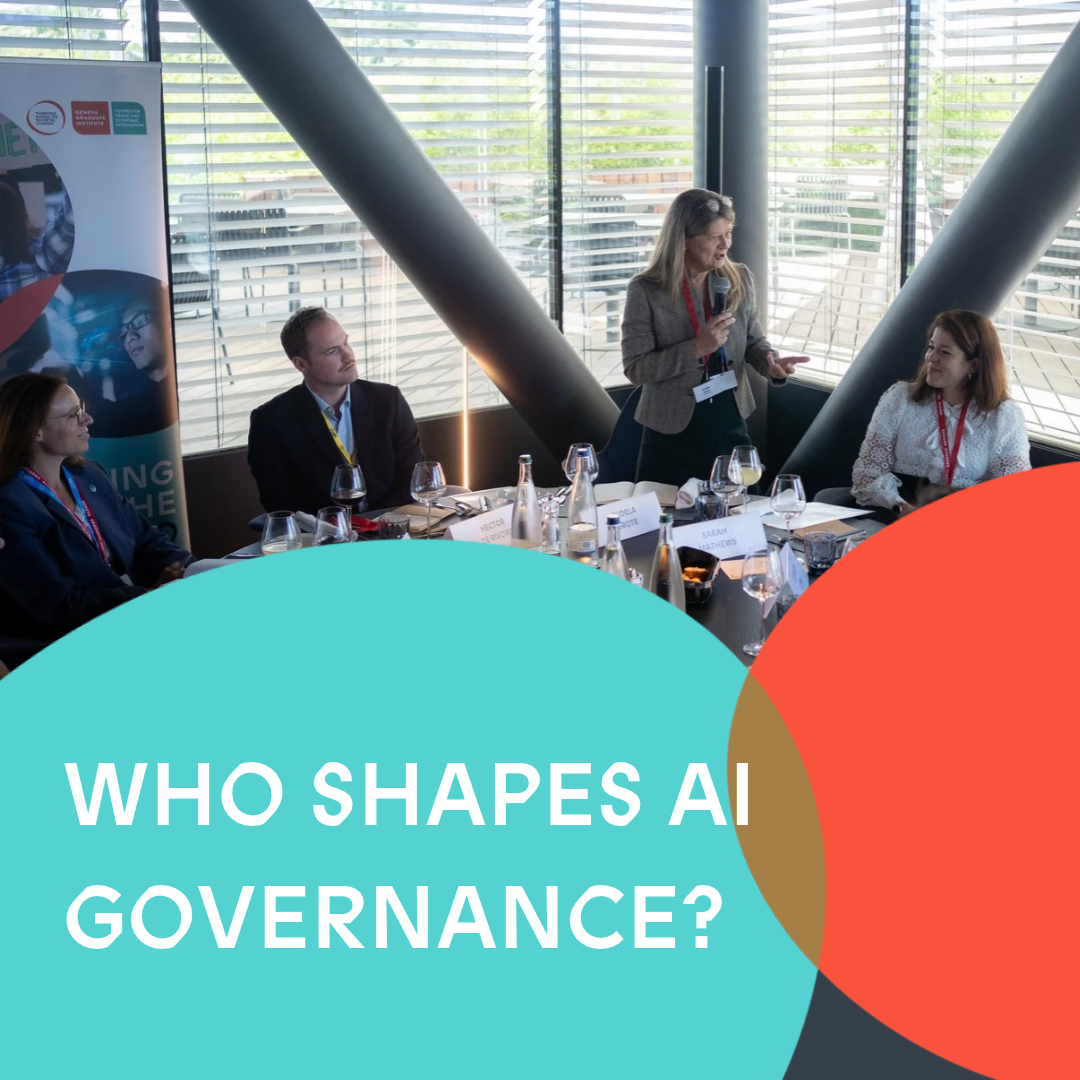
These event highlights capture key governance insights from the Use at Your Own Risk? Integrating Developers into AI Governance, convened alongside the first UN Global Dialogue on AI Governance.
The event explored who is developing AI today, how responsibility is distributed across the AI value chain, and what it takes to turn accountability into governance in practice.
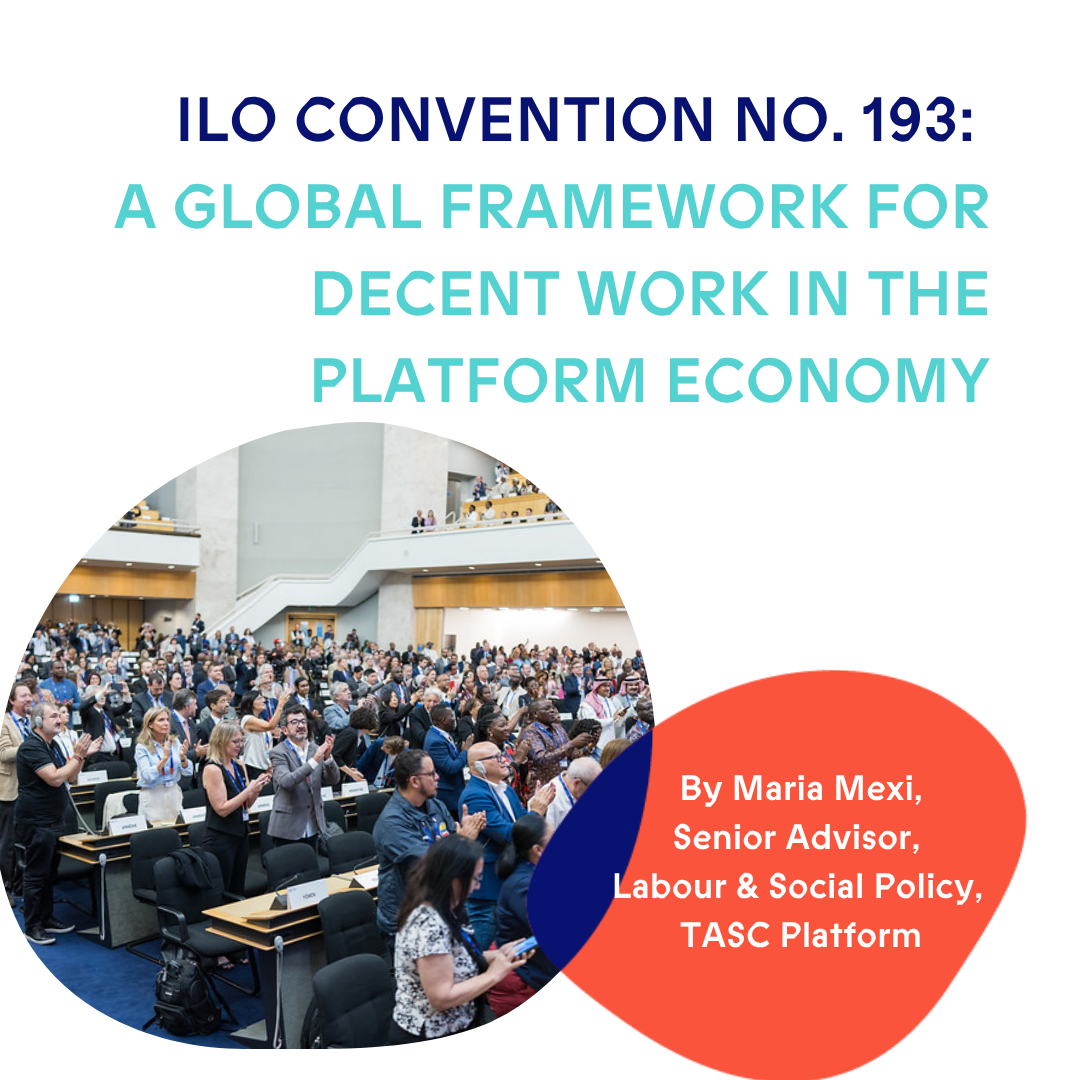
Dr Maria Mexi examines the ILO's first international labour standard on platform work, explaining how Convention No. 193 establishes a global framework for rights, governance, and accountability, and what successful implementation will require at national level.
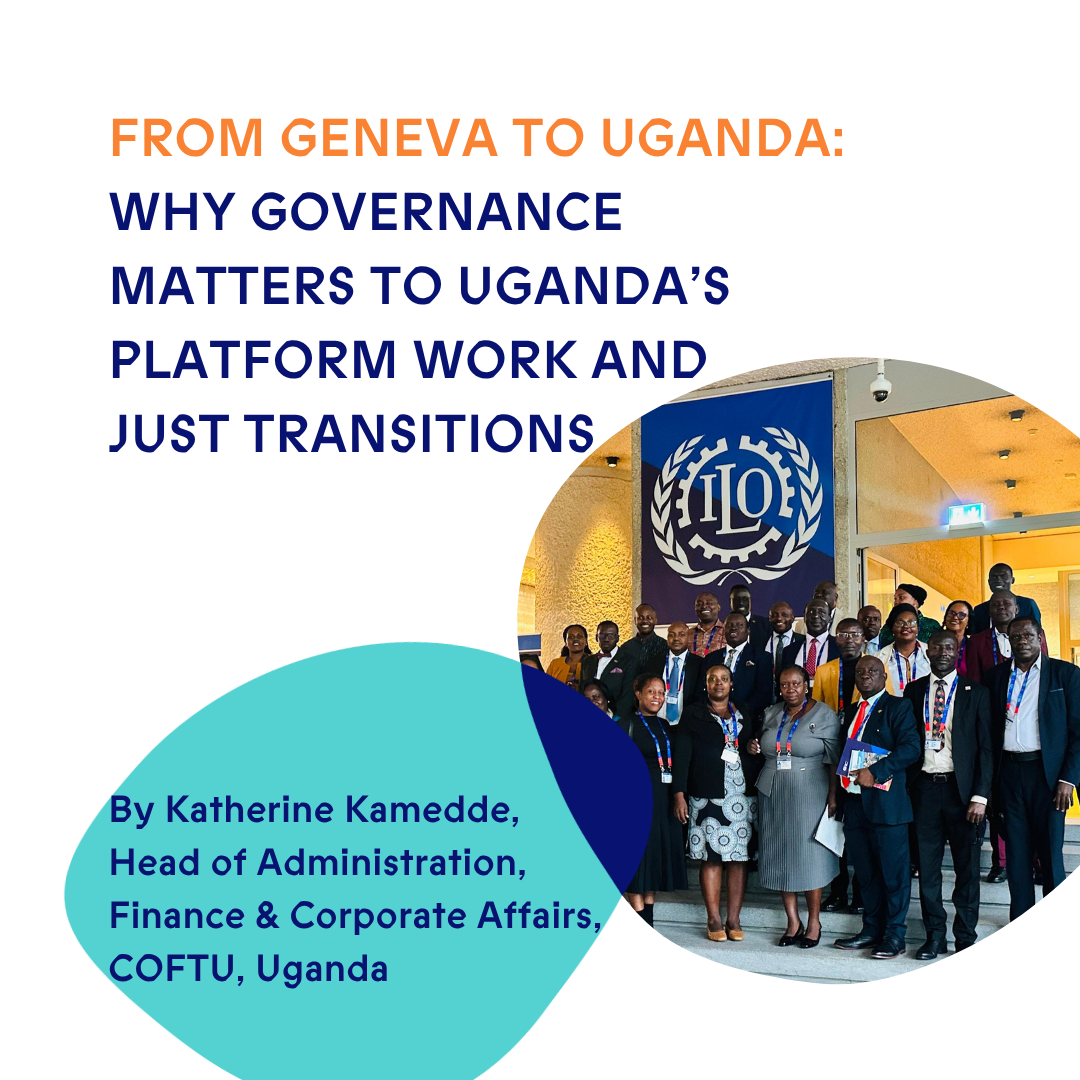
In this personal reflection, Katherine Kamedde of Uganda's Central Organisation of Free Trade Unions (COFTU) explores how the adoption of the Platform Economy Convention and lessons from the International Labour Conference can help strengthen governance readiness for platform work and just transitions in Uganda.
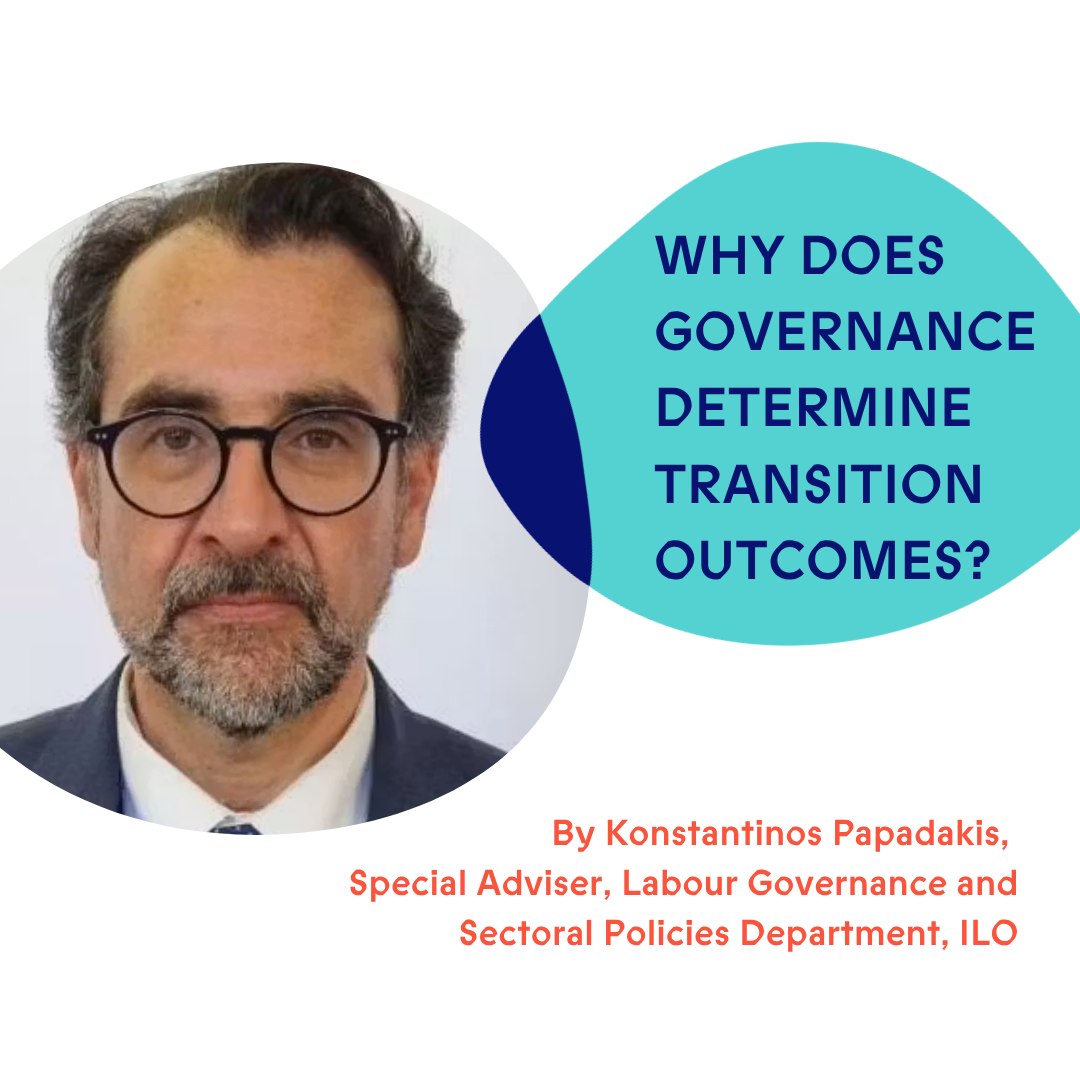
In this commentary, Konstantinos Papadakis, Special Adviser at the ILO, explores why governance, institutional readiness, and social dialogue, not technology alone, determine whether green and digital transitions deliver fair and inclusive outcomes.
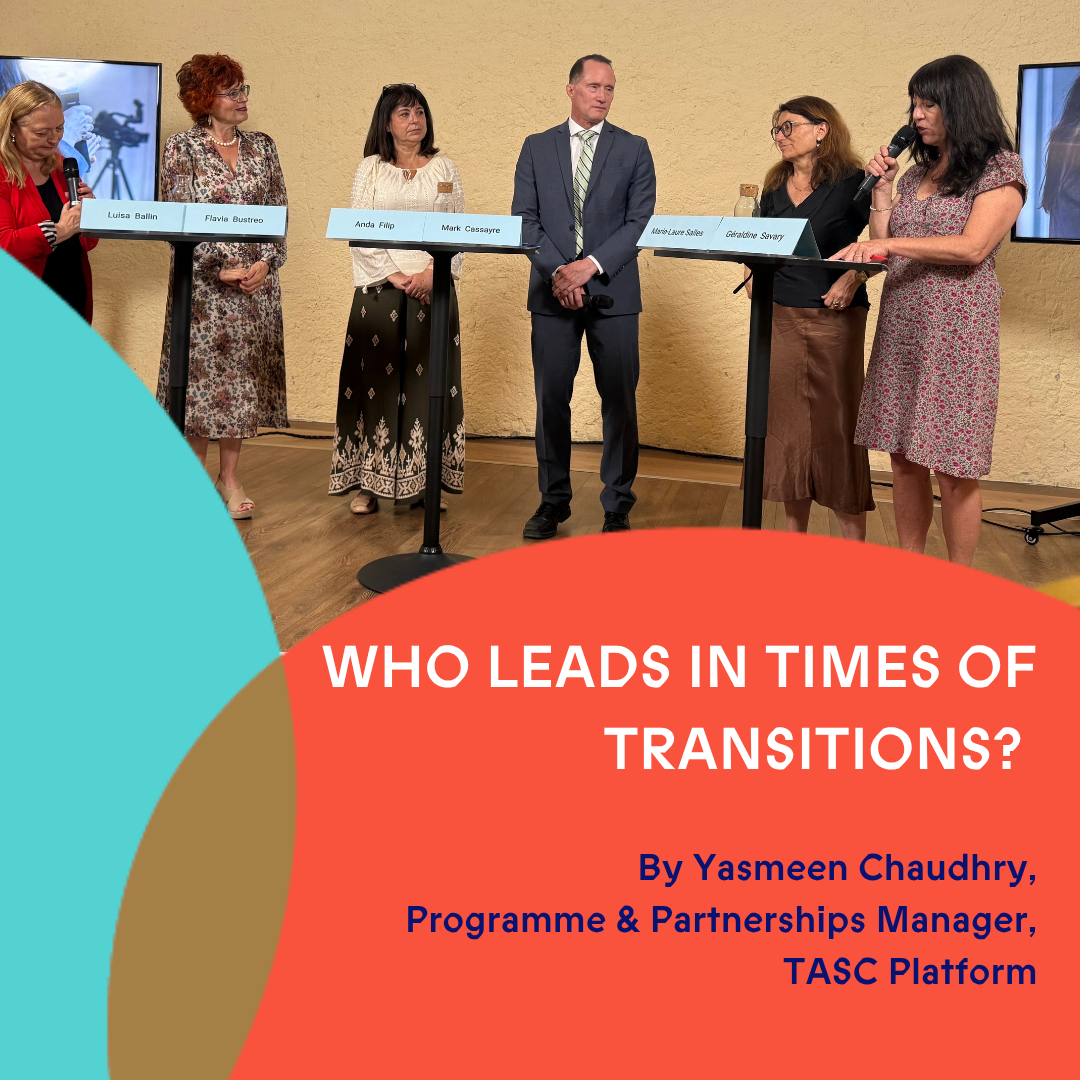
In this reflection, Yasmeen Chaudhry explores how the debate surrounding the next United Nations Secretary-General is prompting a broader conversation about leadership, governance, and institutional renewal at a time of profound change for the multilateral system.
How can just transitions be delivered in practice? This article presents TASC Platform’s new Policy Guide as a governance-readiness framework for identifying risks early, closing accountability gaps, and building more coherent, inclusive, and actionable transition planning.
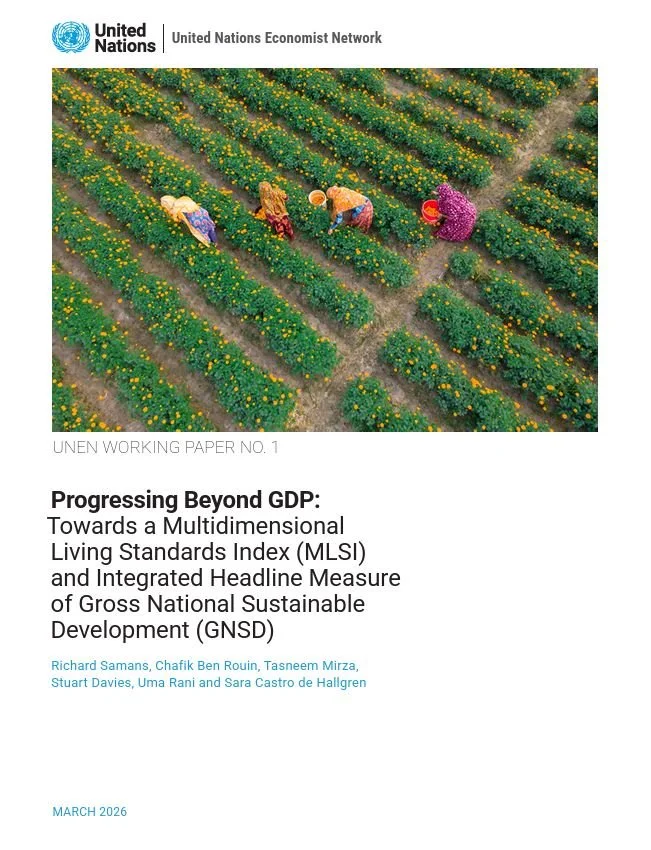
A new paper by the UN Economist Network, led by Richard Samans and co-authored with Chafik Ben Rouin, Tasneem Mirza, Stuart Davies, Uma Rani, and Sara Castro de Hallgren, proposes moving beyond GDP through a Multidimensional Living Standards Index (MLSI) and a new headline measure, Gross National Sustainable Development (GNSD), integrating economic output with lived experience to better guide policy on inequality, AI, climate, and inclusive growth.
In this article, Maria Mexi, Senior Policy Advisor, TASC Platform, examines a central question for AI governance in Europe: The EU has moved faster than most to regulate artificial intelligence. But the harder question is whether Europe has enough leverage over the AI stack to steer innovation towards worker-augmenting systems rather than importing worker-substituting ones designed elsewhere.
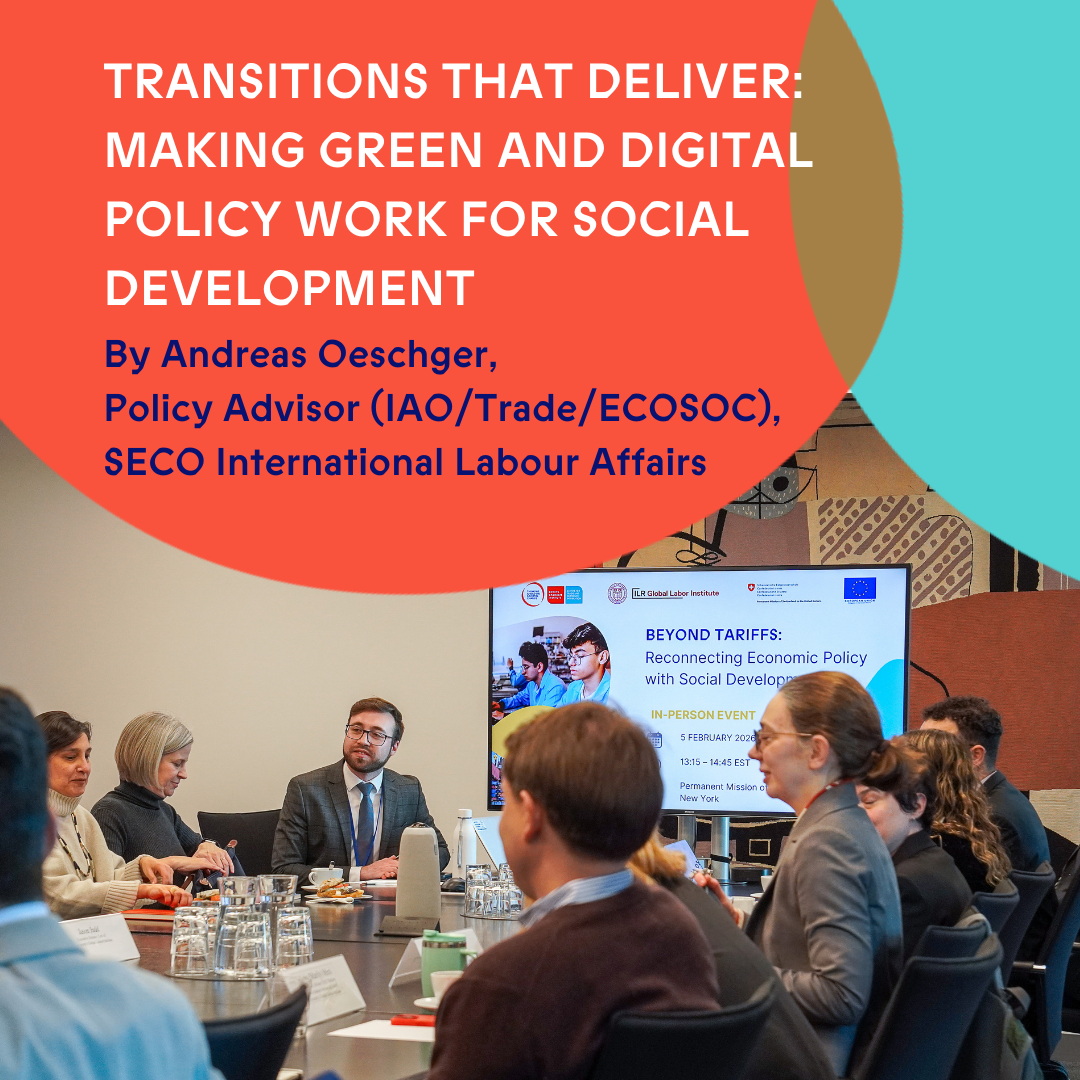
In this reflection, Andreas Oeschger, Policy Advisor at SECO International Labour Affairs, synthesises the key takeaways from the CSocD64 side event on reconnecting economic policy with social development. His overview highlights how green and digital transition policies are reshaping economic governance and what it will take to ensure these shifts translate into decent work and inclusive growth.
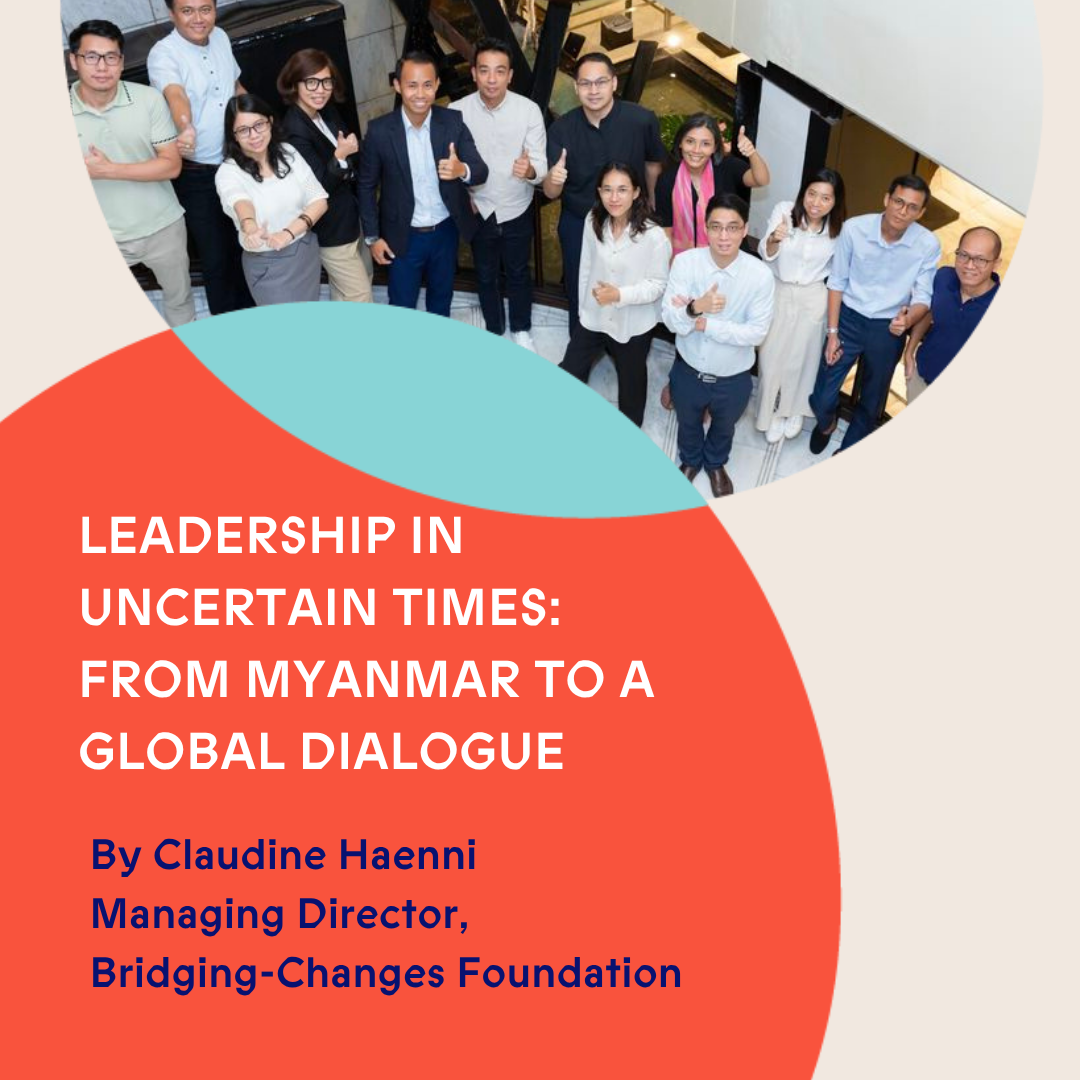
Claudine Haenni, with support of the TASC Platform, GCSP, and the Asian Institute of Hospitality Management at Les Roches, explores how leadership development in uncertain times drives change. Highlighting how participative training and partnerships equip leaders in Myanmar to navigate complexity and contribute to global dialogue.
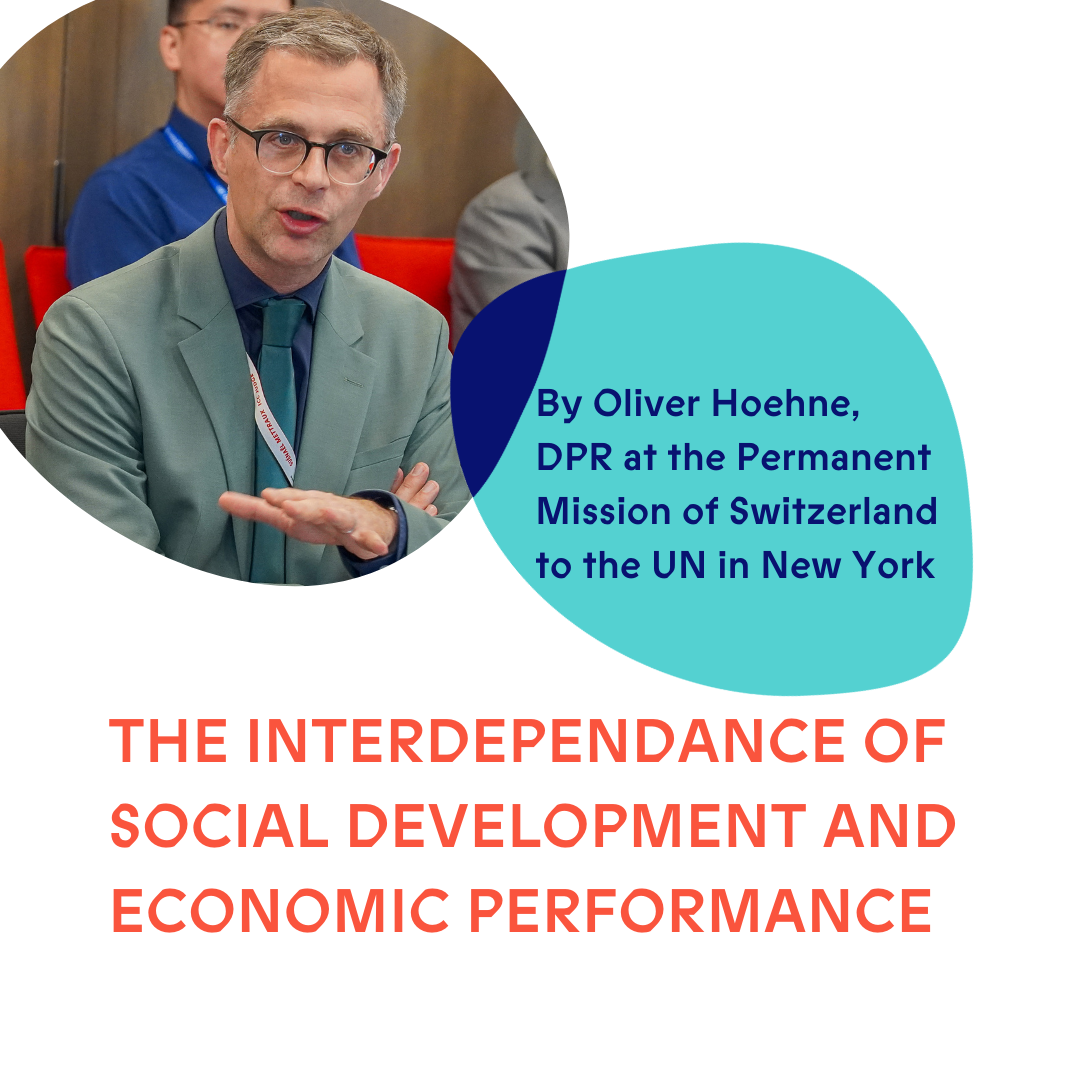
Oliver Hoehne, Deputy Permanent Representative of Switzerland to the United Nations in New York, reflects on how economic policy and social development have become increasingly intertwined in today’s global economy. Tracing the evolution of policy thinking from the Copenhagen Declaration to current debates, he highlights how tools such as tariffs, industrial policy, and sustainability standards are now shaping not only markets but also social outcomes—underscoring the need for economic strategies that deliberately support inclusive and resilient development.
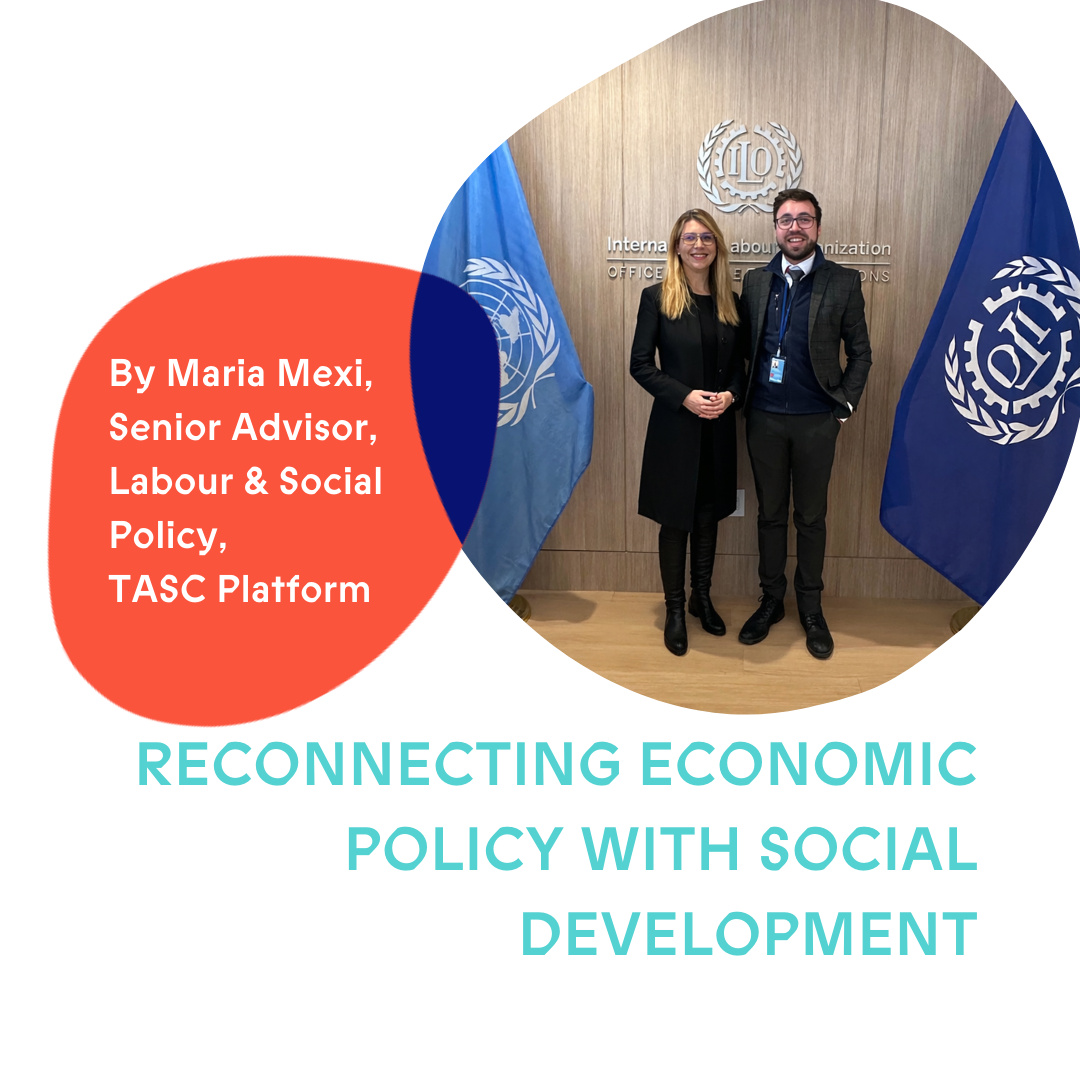
Dr. Maria Mexi, Senior Advisor on Labour and Social Policy at the TASC Platform, explores how trade and economic policies intersect with labour outcomes in an era of digital and green transitions. Drawing on case studies from Kenya’s digital economy and Indonesia’s nickel value chain, she highlights the growing challenge of aligning economic transformation with labour governance, showing why policy coherence and effective implementation are essential to ensure that global transitions deliver decent work and inclusive development.
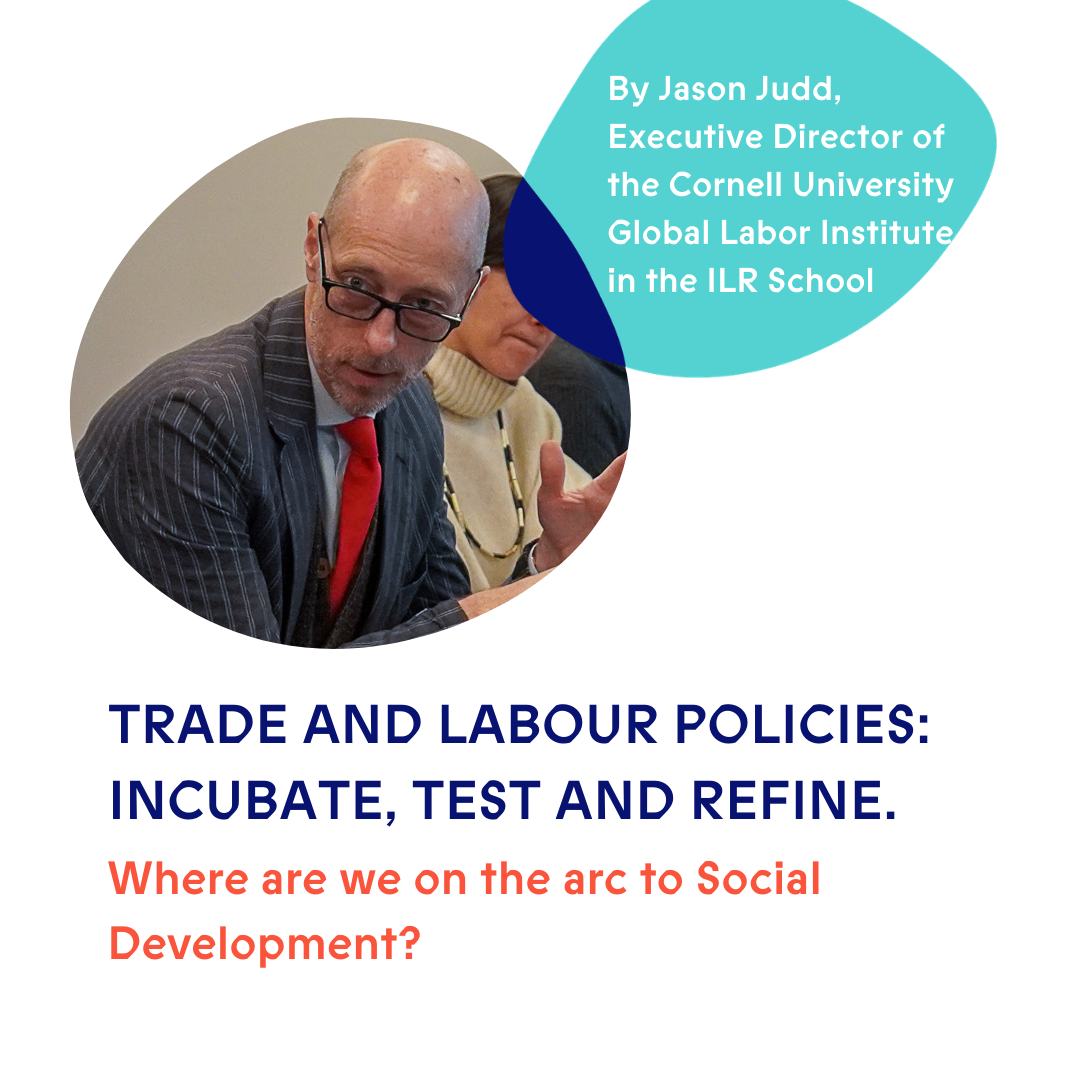
Jason Judd, Executive Director of the ILR Global Labor Institute at Cornell University, sets the scene for the dialogue by tracing how trade policy has evolved over three decades, from NAFTA’s loosely attached labour provisions to more integrated approaches such as USMCA and emerging due diligence frameworks. Framing this evolution as a long process of incubating, testing, and refining ideas, he asks a central question: are these new tools truly delivering better outcomes for workers and social development?
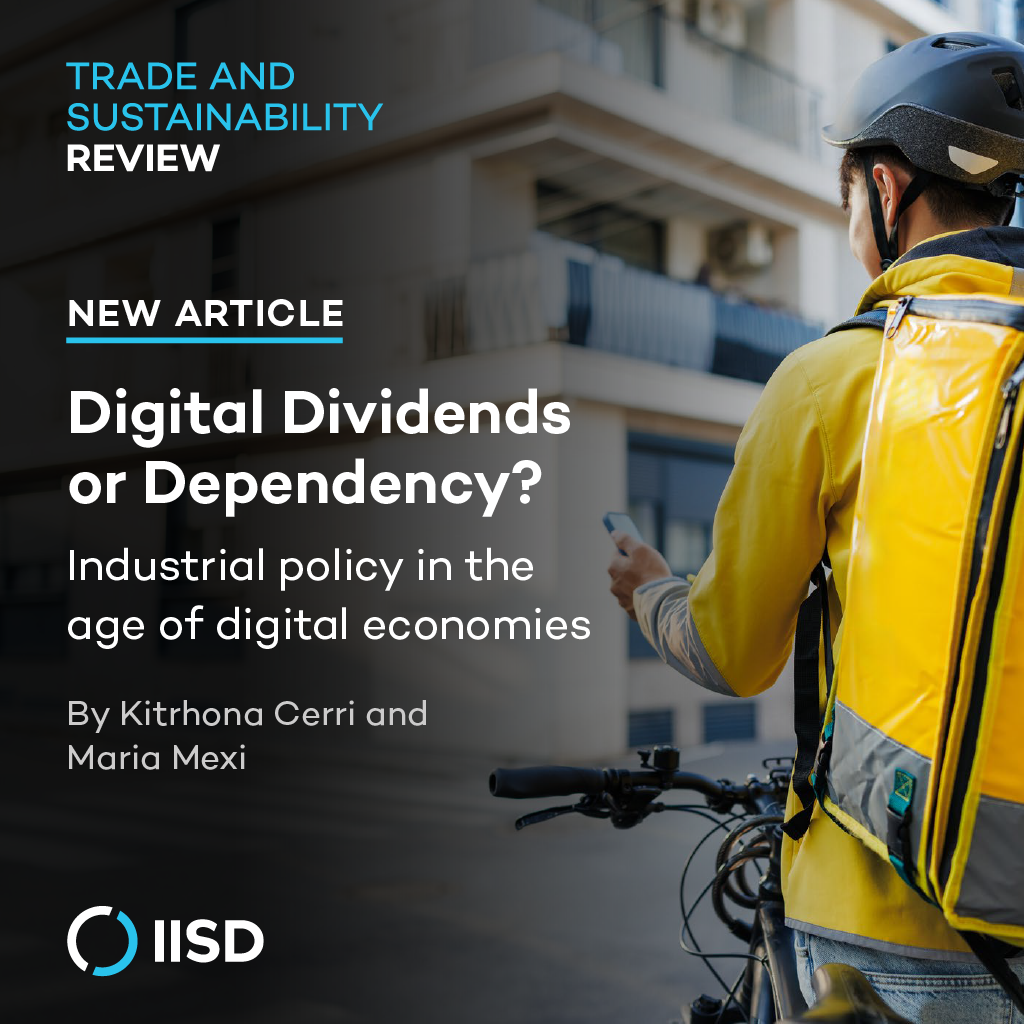
In their contribution to the International Institute for Sustainable Development’s Trade and Sustainability Review, Maria Mexi and Kitrhona Cerri unpack how platforms, data and algorithms are redefining industrial policy, and the risks of falling into digital dependency. Drawing on Kenya’s digital economy, they examine what it takes to turn digital growth into broader local benefits.
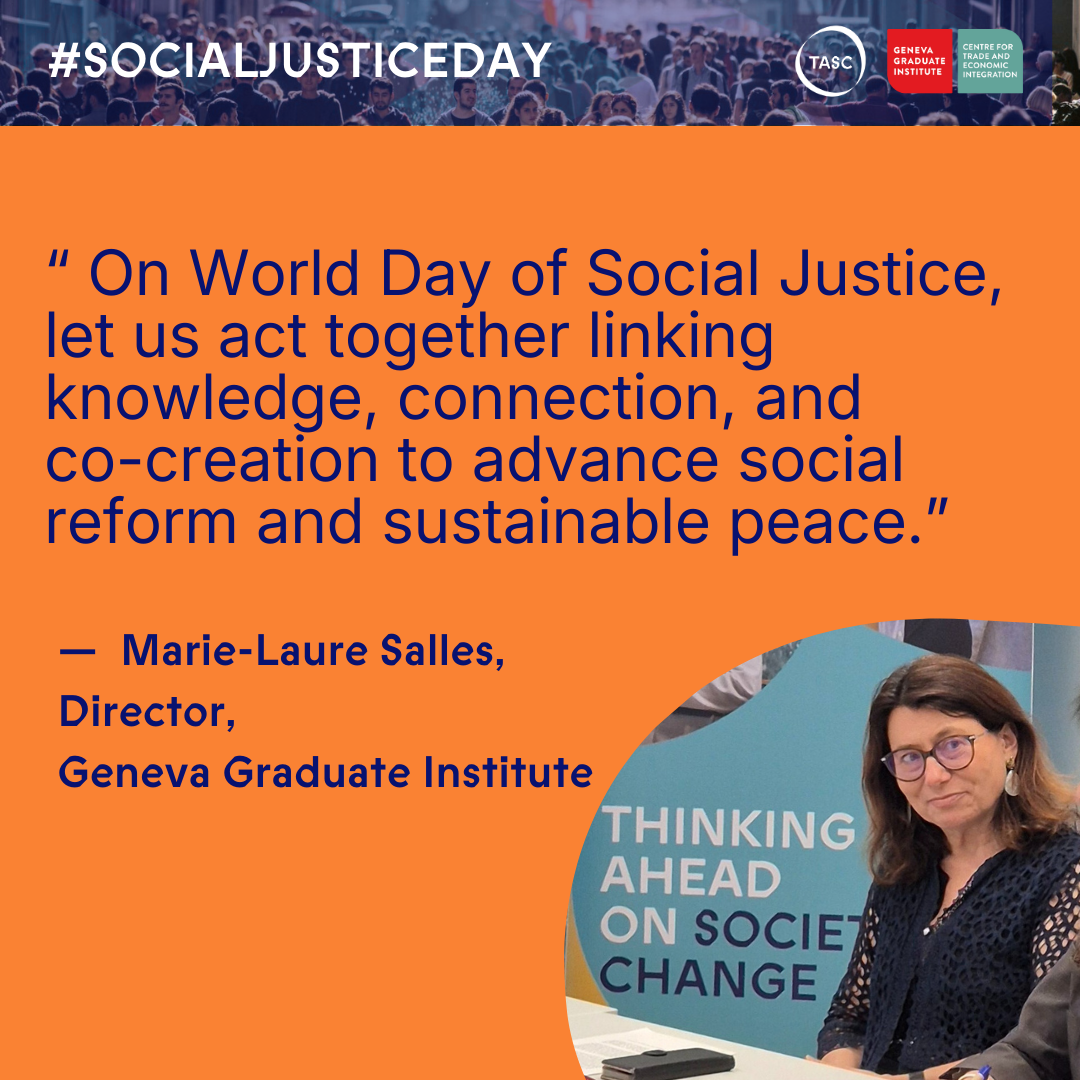
On World Day of Social Justice, our Director, Marie-Laure Salles of the Geneva Graduate Institute, underscores the urgency of mobilising academia and the wider research community. She positions universities as catalysts for knowledge, connection, and concrete action within the Global Coalition for Social Justice.
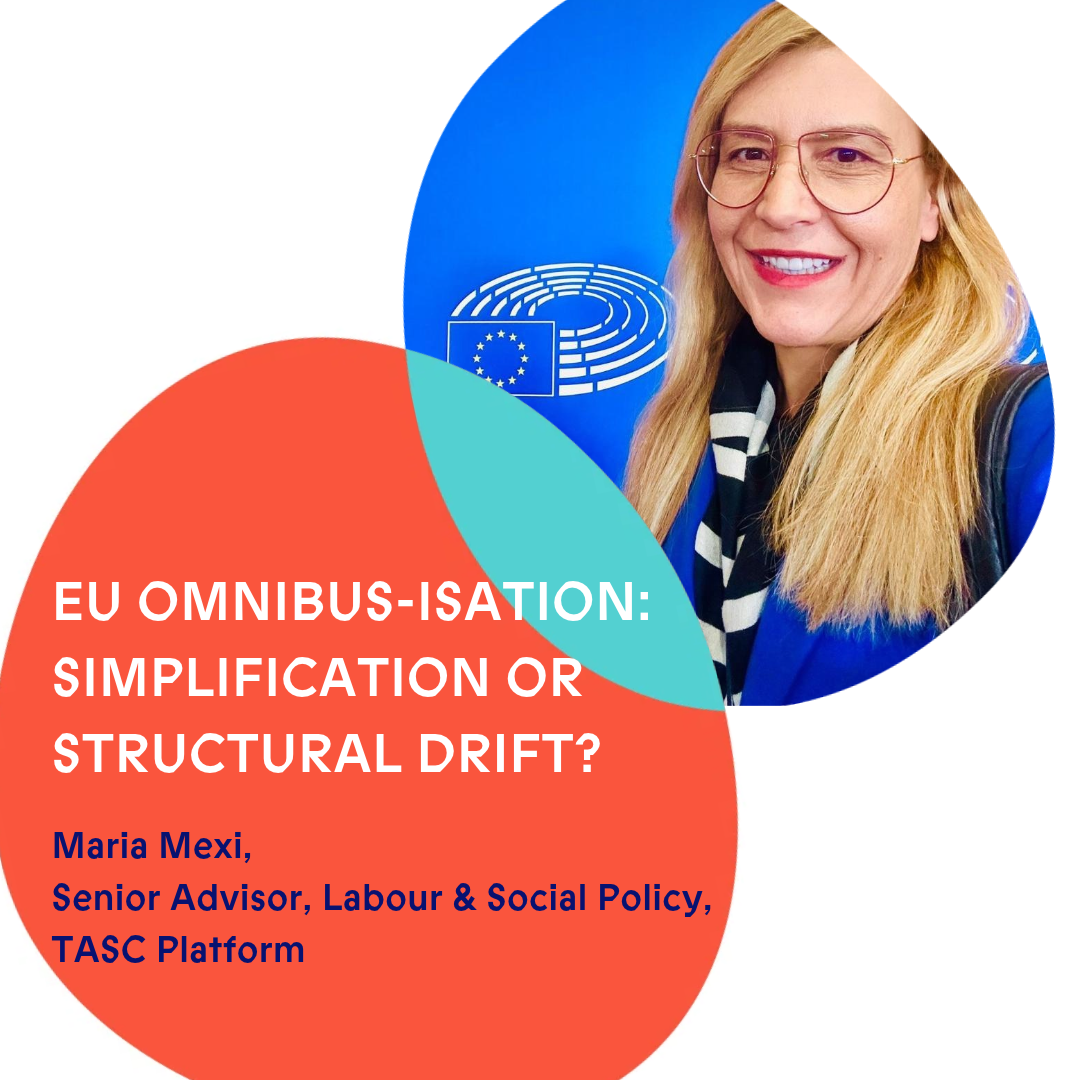
Reporting from Strasbourg and the European Parliament, Maria Mexi examines the EU’s accelerating “Omnibus-isation” and asks whether regulatory simplification risks becoming structural drift. By tracing what this shift could mean for AI regulation, data rights and labour protections, she considers how Europe’s wider AI governance model balances competitiveness, protection and accountability.
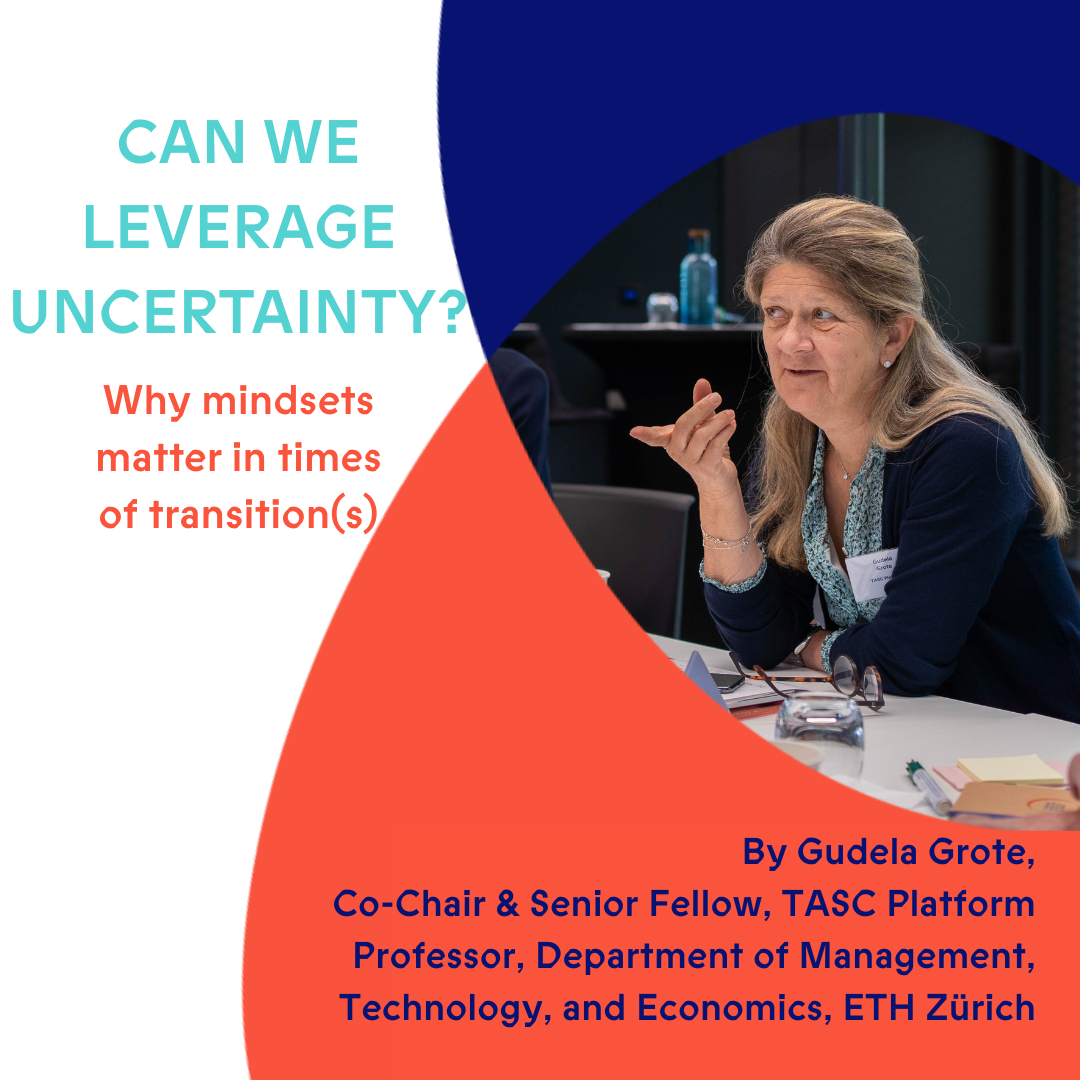
Our Co-Chair, Professor Gudela Grote shares how uncertainty-as-enabling mindsets can equip leaders to navigate complex transitions and strengthen cooperation across institutions and the multilateral landscape.
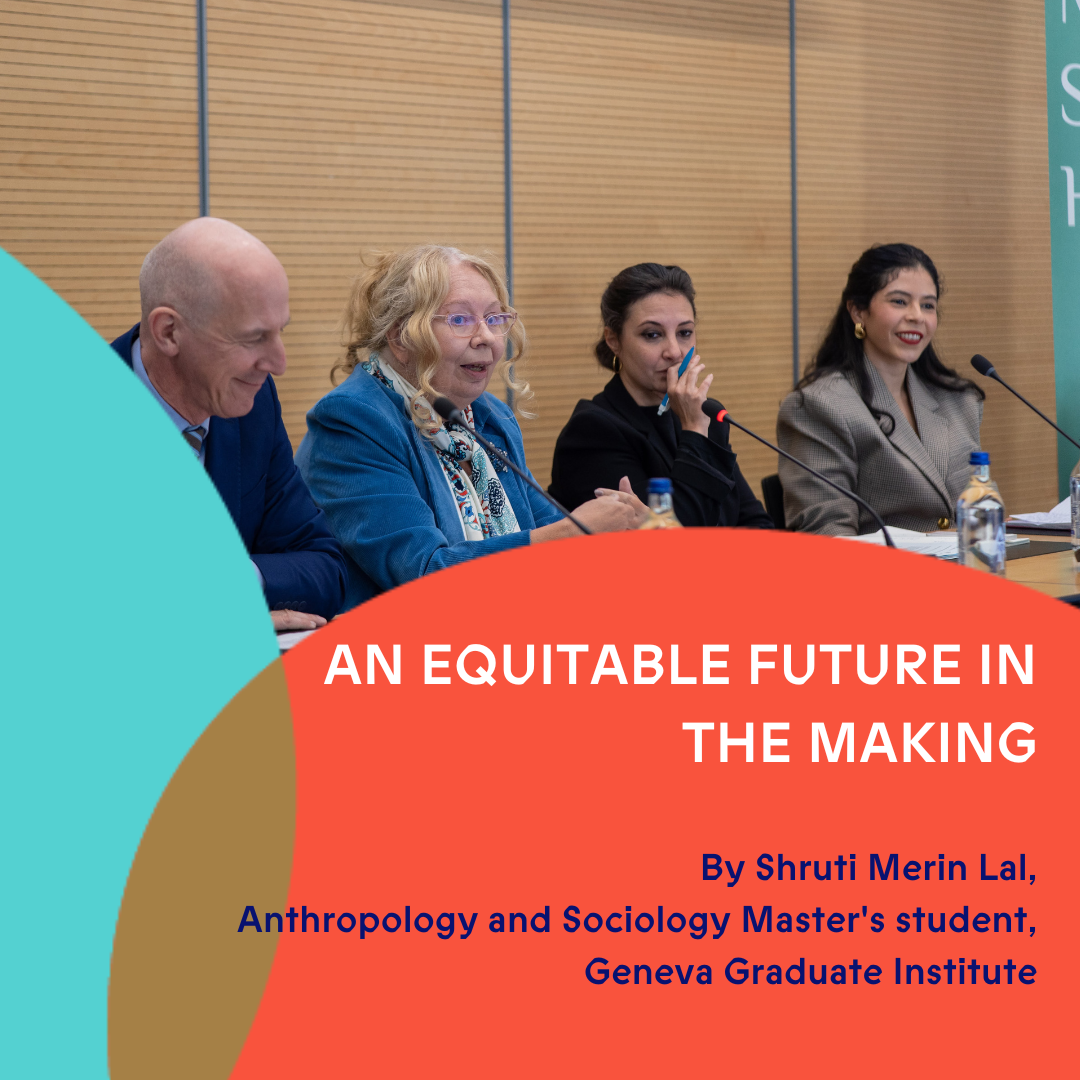
Shruti Merin Lal shares insights from our Futures Balance work, exploring intergenerational equity in policymaking during Building Bridges Week.
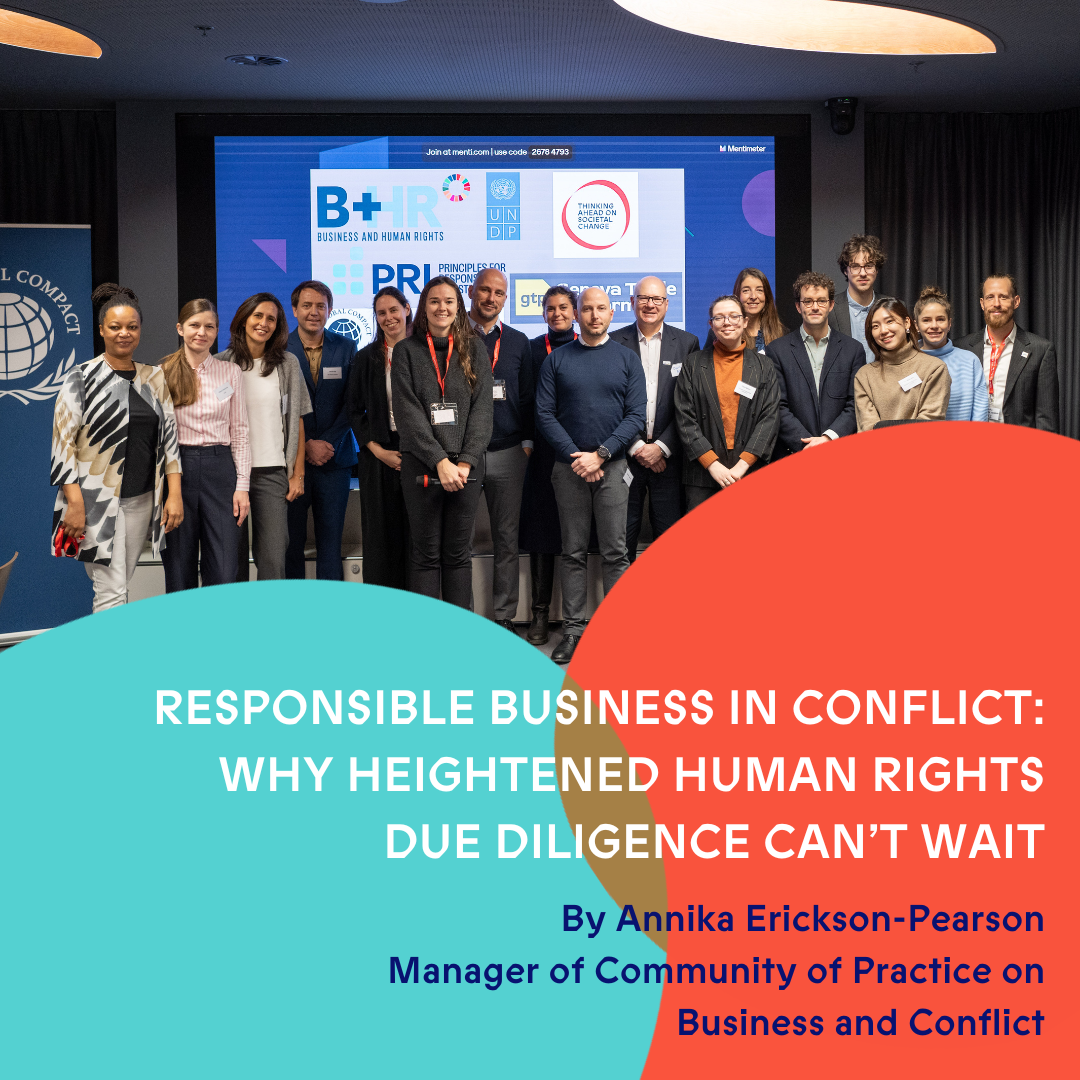
Annika Erickson-Pearson brings three key takeaways from our Business & Conflict Community of Practice Annual Meeting, highlighting what responsible business in conflict demands today.
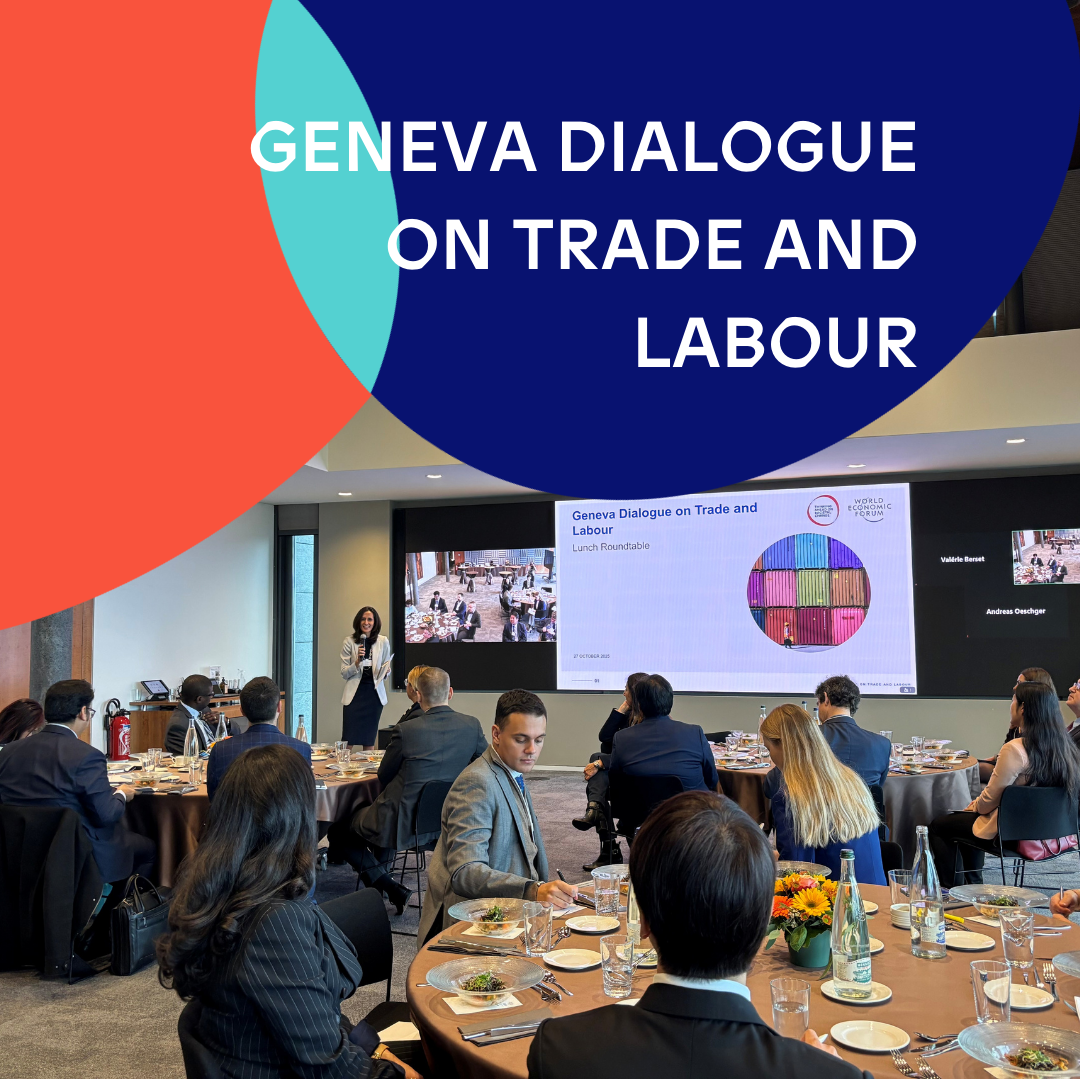
The Geneva Dialogue on Trade and Labour, hosted by the TASC Platform and the World Economic Forum Trade and Investment Team at the World Economic Forum headquarters on 27 October 2025, brought together country missions and institutional partners to reflect on how trade and labour policies can evolve together in times of transition.

Ms. Sally Bardayan Rivera, Deputy Permanent Representative of the Panama Mission to the WTO highlighted how deeply trade and labour are intertwined in Panama’s national story. From the transformative power of the Panama Canal to the role of skills, services, and logistics in sustaining global trade today, she underscored the need to design trade systems that invest in people and not just in markets.
Our Events
our Themes
Focusing on industries, supply chains and work(ers) in transition, our projects and communities convene across silos to produce cross-cutting insights for policy-coherence and multi-stakeholder cooperation.
-
We explore how greater synergies between trade and labour policymaking can support just digital and energy transitions, to ensure that economic shifts translate into tangible improvements in worker well-being.
-
We explore human roles, responsibilities and relationships along AI’s global supply chain - from raw materials and data to development and use – to focus policy on supporting and empowering people, communities and countries through a fast-moving transition.
-
We examine how digital work can unlock opportunity, agency and mobility for cross-border, displaced and underserved talent while supporting organizations and states adapt to a world of work on the move.




Our Partners