

EU Omnibus-isation: Simplification or Structural Drift?
Reporting from Strasbourg and the European Parliament, Maria Mexi, Senior Advisor, Labour and Social Policy, TASC Platform, Geneva Graduate Institute examines the EU’s accelerating “Omnibus-isation” and asks whether regulatory simplification risks becoming structural drift. By tracing what this shift could mean for AI regulation, data rights and labour protections, she considers how Europe’s wider AI governance model balances competitiveness, protection and oversight.
Read on for what this reveals about the policy choices shaping agency and accountability in Europe’s AI transition.
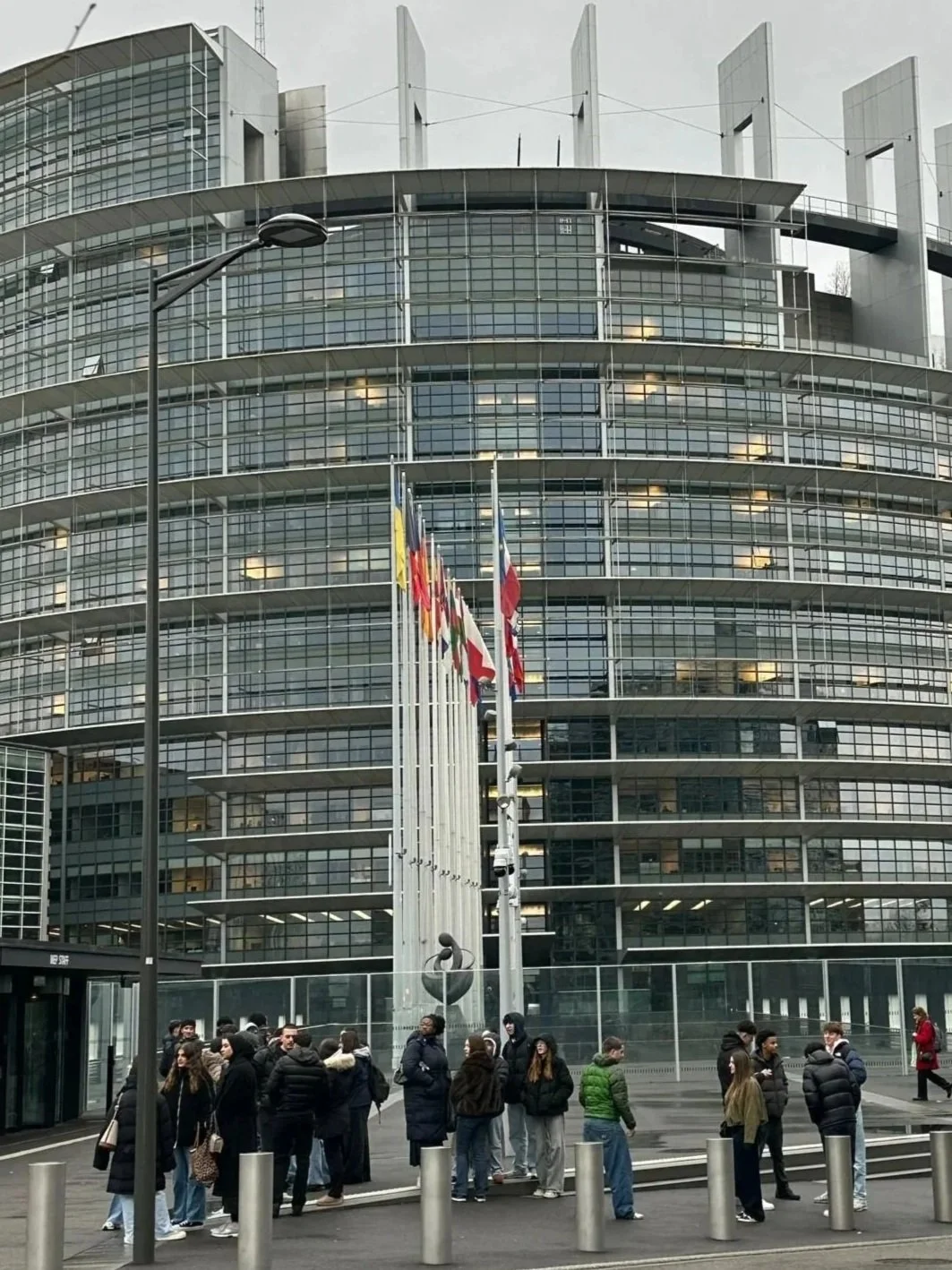
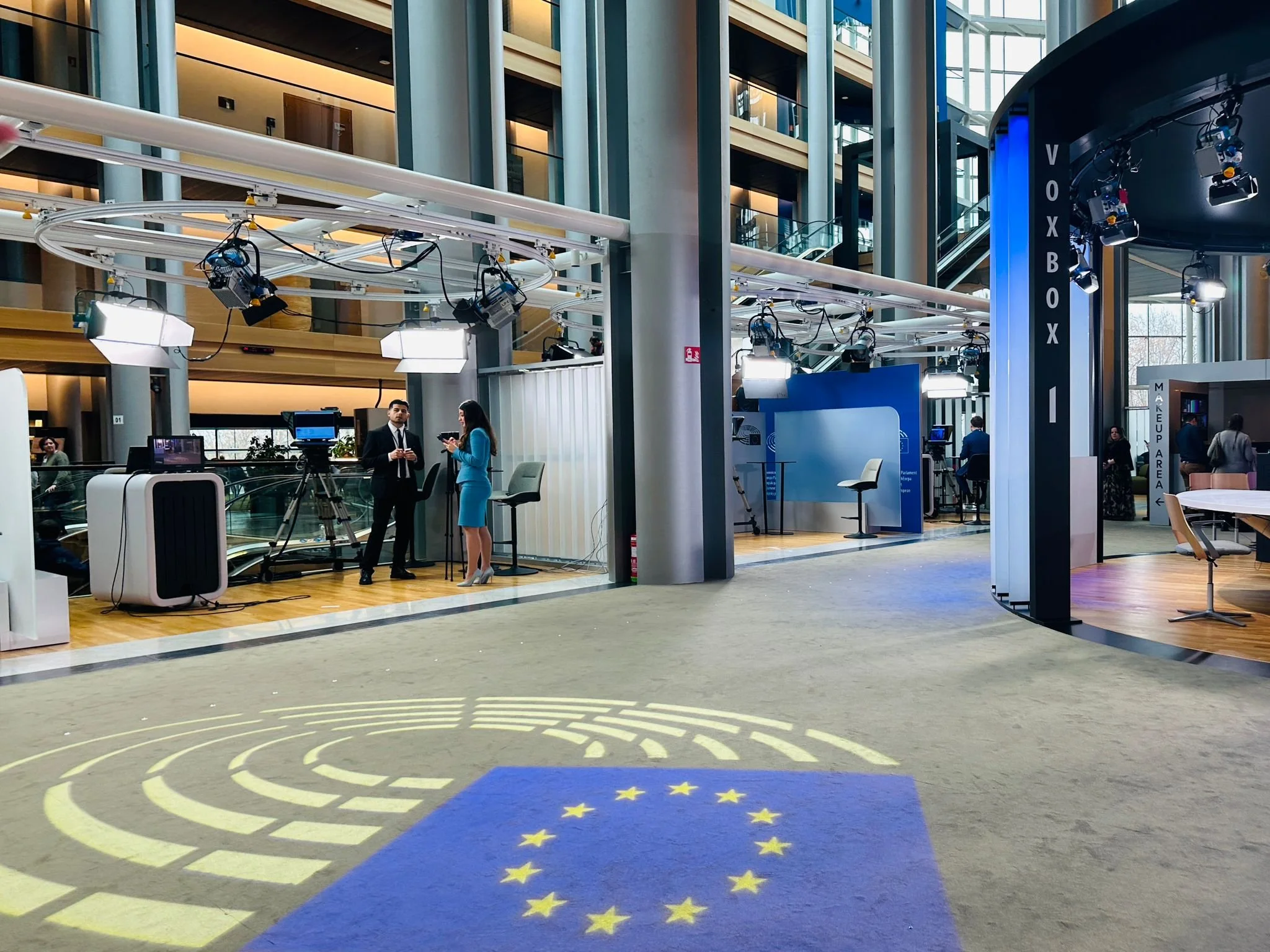
Returning from the Strasbourg plenary of the European Parliament in November, one could sense how rapidly Europe’s agenda is shifting. Debates on the EU budget, the rule of law, external affairs, and defense revealed a Union re-ordering its priorities under mounting political and economic pressure. In discussions with MEPs from across the political spectrum, a single theme kept resurfacing: the accelerating rise of what we could call Omnibus-isation: the increasing use of sector-specific legislative packages to “simplify” EU rules.
In 2025 the Commission tabled multiple Omnibus packages:
• Omnibus I (Sustainability) revises CSRD, CSDDD, and the Taxonomy to reduce reporting burdens, postpone deadlines, and raise thresholds for compliance.
• The Digital Omnibus (published 19 November 2025) bundles amendments to GDPR, the EU Data Act, cybersecurity and AI-regulation frameworks including the AI Act.
These initiatives respond to real challenges: over the years, overlapping directives, multiple reporting regimes, and a patchwork of compliance deadlines have burdened companies, especially SMEs. This complexity can indeed slow innovation and business uptake of the green and digital transitions. But a deeper tension is emerging: the line between genuine streamlining and the weakening of substantive protections.
“The Digital Omnibus raises red flags.”
The proposed amendments to GDPR would narrow the definition of “personal data,” codifying recent case-law from the Court of Justice of the EU. The package would also relax certain obligations for data controllers, extend breach-reporting deadlines, and adjust rules on data processing for AI systems - all under the banner of simplification and legal clarity. Civil-society advocates warn that the package could roll back safeguards embedded in the GDPR and AI Act, particularly those affecting transparency and accountability in algorithmic systems. This is especially concerning for workers.
In AI-intensive and platform-mediated sectors, access to data and algorithmic decision-making is essential for fairness, due process, and redress. Diluting those rights entrenches the information and power asymmetries that already define digital labour markets. And globally, the ILO’s review of 245 AI ethics frameworks shows that labour rights remain virtually absent in most governance instruments -making the EU’s approach even more consequential.
Similarly, the Sustainability Omnibus draws concern. By postponing reporting deadlines and raising thresholds, the package risks diluting the scope and effectiveness of supply-chain due diligence, environmental transparency and corporate accountability.
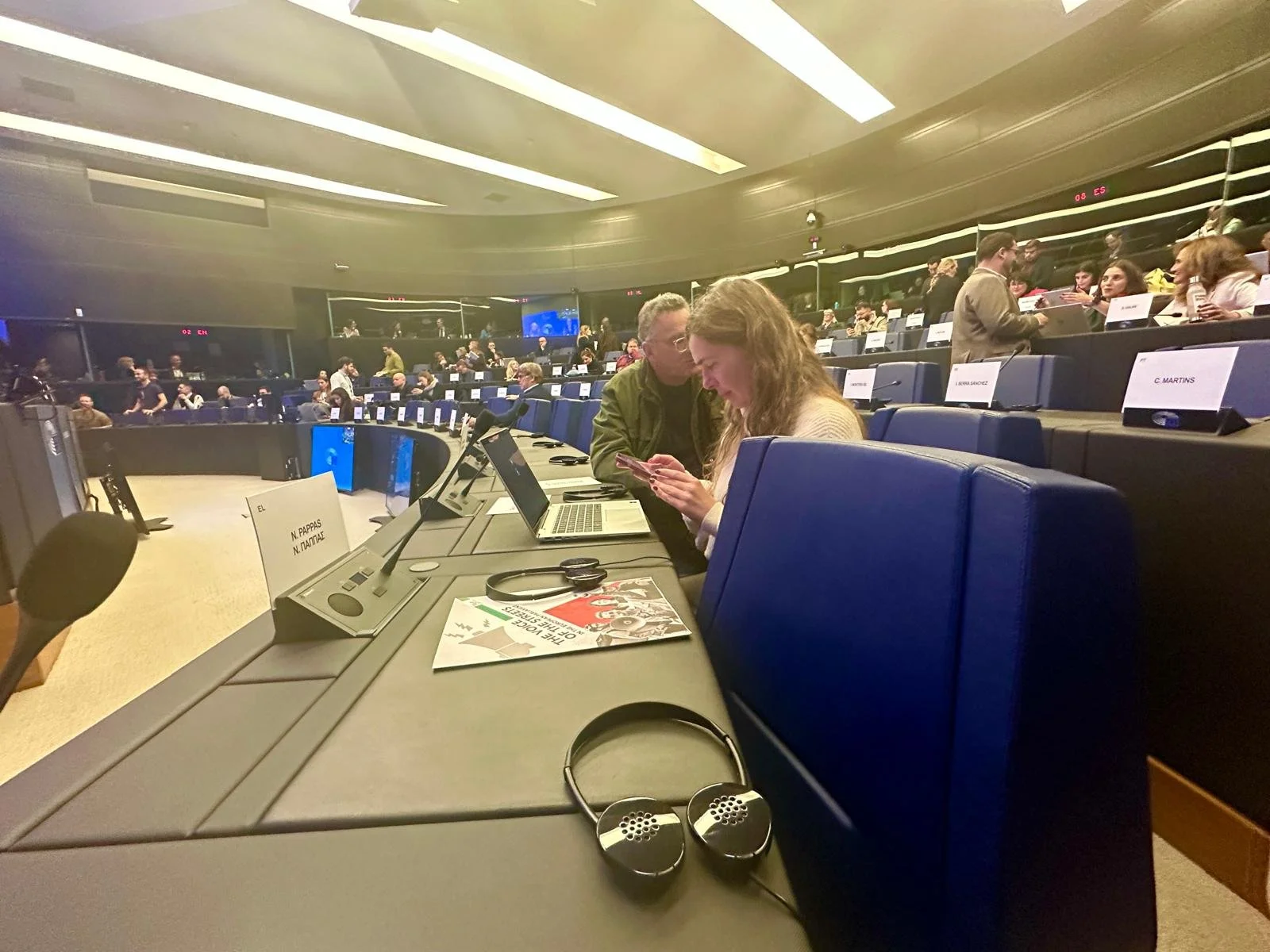
What concerned many of the MEPs I spoke with was that the Omnibus process increasingly bypasses impact assessments and stakeholder consultations, leading to a form of constitutional drift.
Even more worrying is that these procedural shortcuts drill down into a deeper normative shift: one that subtly recentres EU lawmaking around reducing burdens for business, making it increasingly difficult for labour, social, and sustainability standards to justify their place within the regulatory framework.
The push for competitiveness is strong, and the redesign of the proportionality principle within the 2026 Better Regulation package could lock in a logic centred on reducing burdens for business at the expense of labour and social rights for years to come.
This moment intersects directly with the work we are advancing in the Trade & Labour Programme. Across our research on digital labour, AI supply chains, and critical mineral value chains, we have examined how policy and regulatory tools shape outcomes for workers embedded in global production systems.
“What happens in Brussels does not stay in Brussels.”
When public standards weaken private governance re-asserts itself, often in fragmented or voluntary forms that leave workers with little protection and even less voice. Workers, especially those in outsourced or subcontracted positions, feel the consequences first.
Europe now faces a defining choice. Omnibus-isation could deliver a more coherent regulatory landscape - less duplication, less burdensome compliance, and faster uptake of green and digital practices. Or it could signal a structural shift: away from rights-based governance, towards a regulatory model calibrated primarily around competitiveness and flexibility that narrows the scope of labour, digital, and sustainability protections at the precise moment when global supply chains demand more robust governance, not less.