


projects & Communities
Our projects and communities foster multistakeholder dialogue, sensemaking and collaboration on challenges emerging from large-scale societal transitions.
projects

Trade and Labour Programme
-
Partnership with: World Economic Forum, Laudes Foundation
This joint project focuses on creating synergies between trade and labor policymaking, aiming to ensure that economic growth and sustainable development also translate into tangible improvements in worker well-being. The multistakeholder work programme aims at identifying and sharing best practices from across the labour and trade policy spaces; building partnerships to align social commitments with inclusive supply chain practices; informing trade policy discussions; and providing a coordination platform.

Women Returning to Work in a Post-Pandemic World
-
Partnership with: Innovation Foundation
This joint research series in collaboration with The Innovation Foundation, powered by Adecco, explores the challenges faced by women returning to work after the pandemic and asks whether flexibility at work is a universal solution for both employers and workers.
-

refugees and the digital economy Programme
-
Partnership with: Centre for Trade and Economic Integration, Geneva Trade Platform, and International Trade Centre
This two-phase programme explores how digital work can expand opportunity, agency, and mobility for refugees, while helping organizations navigate uncertainty in the world of work. It distills key policy recommendations, highlights emerging business practices, and maps partnership models that can strengthen an evolving ecosystem for refugee talent in the digital economy.

The Futures Balance: Policymaking with Inter-Generational Equity
-
Partnership with: The Beyond Lab at UN Geneva
The Future Generations Balance Sheet aims to guide policy and decision-makers towards making informed choices that do not just serve immediate needs but also consider the well-being of future generations, thereby minimizing our 'debt to the future' and fostering a shift towards sustainable, regenerative development. The project brings together a group of future users and diverse experts to explore, combine, and expand disciplines and approaches that are currently emerging and applied in silos, such as inter-generational approaches including economics of the future and generational accounting, insights from behavioural economics, and methods for holistic and forward-looking policy planning, such as systems thinking and strategic foresight.
ai, foresight & Creativity Programme
-
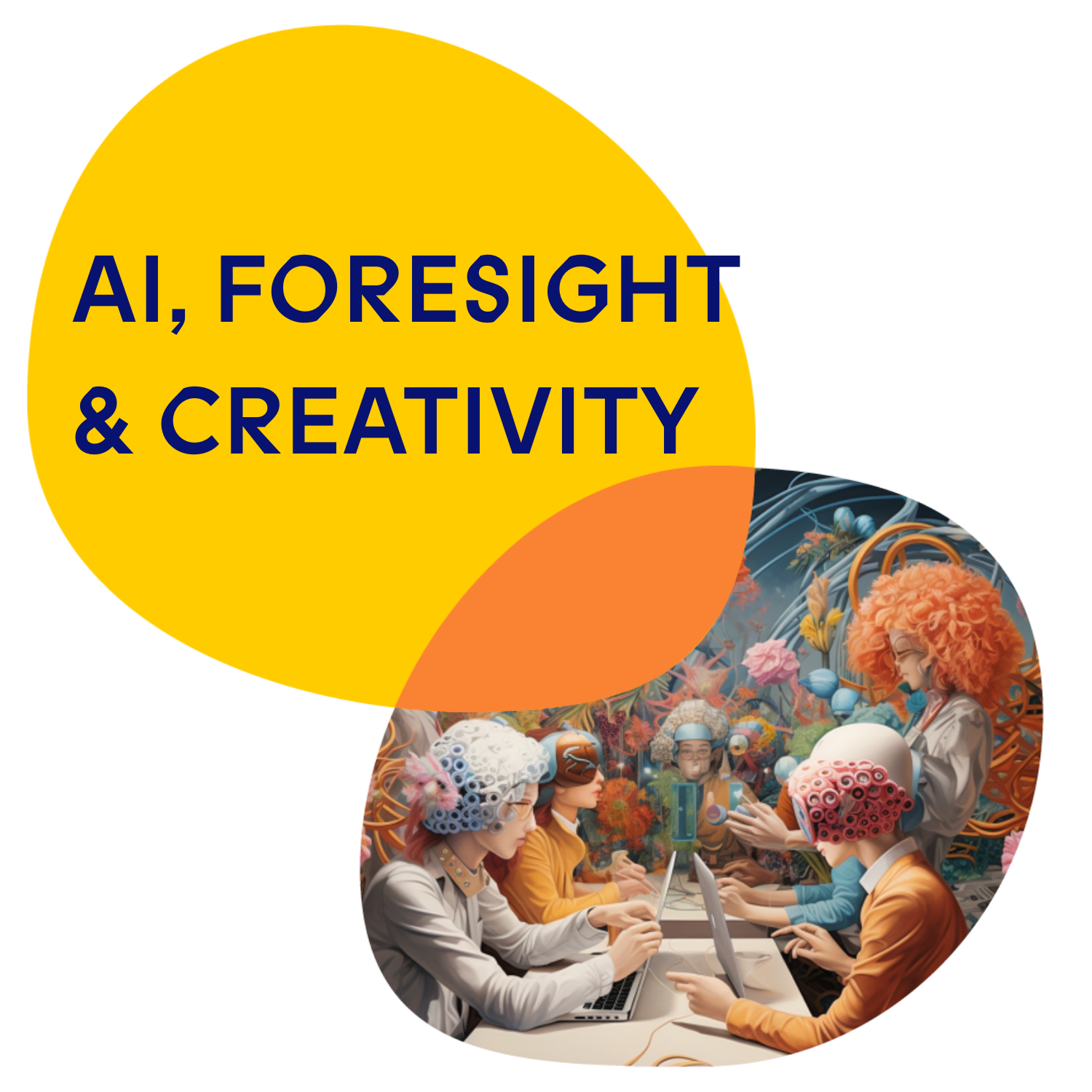
At the TASC Platform, we explore how artificial intelligence, creativity, and foresight can together shape the future of work. Through creative experimentation, policy dialogue, and collaborative problem-solving, we apply these tools to tackle emerging challenges and opportunities—from ethics and governance to innovation and inclusion. Since 2023, we have led workshops, film screenings, and participatory sessions at the AI for Good Summit, fostering partnerships that centre human agency, sustainability, and shared action in navigating AI-driven transitions.
the geneva dialogue on trade and labour
-
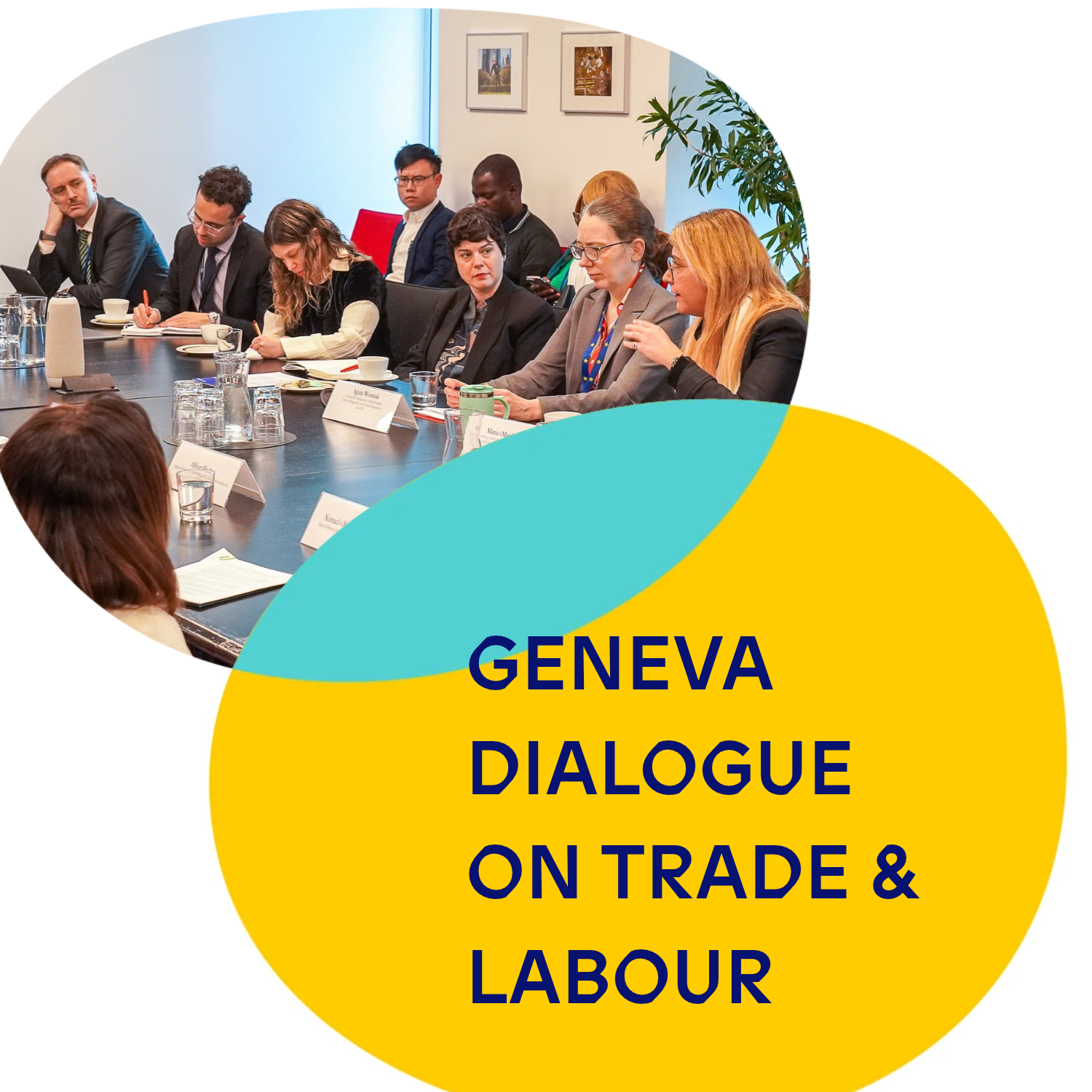
The Geneva Dialogue on Trade and Labour builds on the research and policy work of the TASC Platform’s Trade and Labour Programme.
Focusing on industries, supply chains and the changing world of work, the Dialogue convenes across silos to generate cross-cutting insights for greater policy coherence and multi-stakeholder cooperation.
Rooted in Geneva, the Dialogue connects national experiences with global debates and carries conversations from Geneva to New York and other multilateral policy spaces.
The ongoing Geneva Dialogue on Trade and Labour series has been developed in collaboration with, and supported by, Laudes Foundation, the Swiss Secretariat for Economic Affairs (SECO), the World Economic Forum’s Trade and Investment Team, and Cornell University’s ILR Global Labor Institute.

TELEMIGRATION : DIGITALLY ENABLED GLOBALISATION OF SERVICES
-
Partnership with: Colombia + Competitiva
This research project focuses on a newly important form of globalization – the hiring of foreign freelancers via digital platforms.
With an initial focus on the Colombian labour market, this project aims to produce an understanding of occupations where service-sector workers and micro firms might most easily expand their export activity.
-
ai governance: Agency, accountability and the ai supply chain
-
The TASC Platform explores AI Governance across the entire AI Supply Chain, asking where debates and action are currently focused, and what is being overlooked.
Current AI Governance discussions are focused on regulating and scaling frontier models, managing potential risks, avoiding hypothetical negative use-cases and investing in speculative opportunities.
Whether any of these risks and opportunities become a reality is dependent on the evolution of the AI supply chain, where significant social, economic and geopolitical impacts are playing out now.
Our AI Governance Programme responds to a gap in the AI discourse: Policymakers lack a clear overview of the AI supply chain, the challenges faced and policy space available.
Can a better shared understanding of the AI supply chain open the door to broader opportunities for influence, policy and regulatory action, and international cooperation?
Communities

Business & Conflict Community of Practice
-
The Business & Conflict Community of Practice is a global network connecting over 200 professionals across six continents, dedicated to promoting responsible business practices in conflict-affected and complex environments. Established in late 2022, and co-hosted by the TASC Platform and the Geneva Trade Platform since August 2024, the community provides a safe space for discussion, information exchange, and intentional relationship-building among experts from international organizations, academia, consultancies, and law firms. Members engage through bi-monthly online meetings, a private online platform managed by TASC, and an annual in-person gathering in Geneva during the UN Forum on Business and Human Rights. This collaborative approach enriches the global conversation on responsible business conduct and supports professionals navigating the challenges at the intersection of business, human rights, and conflict.

UNEN Working Group on Development & Sustainability
-
The UN Economist Network Working Group on Human-Centred Economics and Sustainable Development is anew initiative, convened by CTEI Senior Fellow Richard Samans, aims to strengthen international collaboration among academic networks working on fundamental reform of the growth and development model.
Anchored in the UN system and supported by the TASC Platform, the group will foster a global community of economists and policy experts advancing more inclusive, sustainable, and resilient economic paradigms. The initiative builds on Samans’ extensive experience across global economic governance and his recent publication, Human-Centred Economics: The Living Standards of Nations, recognised by the Financial Times as one of the best economics books of 2024.

Bridging-Changes Leadership Academy (completed)
-
This leadership programme led by Claudine Haenni was initiated as a response to the evolving demands of leadership in a complex, interconnected world. Recognizing the shift from traditional top-down leadership models to those emphasizing teamwork, creativity, and innovation, this initiative aims to nurture future leaders who foster broader collaboration with and contributions to the global community. Initially focusing on Southeast Asia, the programme addresses the pressing need for practical leadership skills through interactive training modules for changemakers aged 30 to 40. The partnership with the TASC Platform aims to provide a connection to the topics and expertise of International Geneva, while bringing insights and challenges on the future of leadership in Southeast Asia (and other geographies) to Geneva-based policymakers.
academic partners network of the ILO’s global coalition for social justice
-
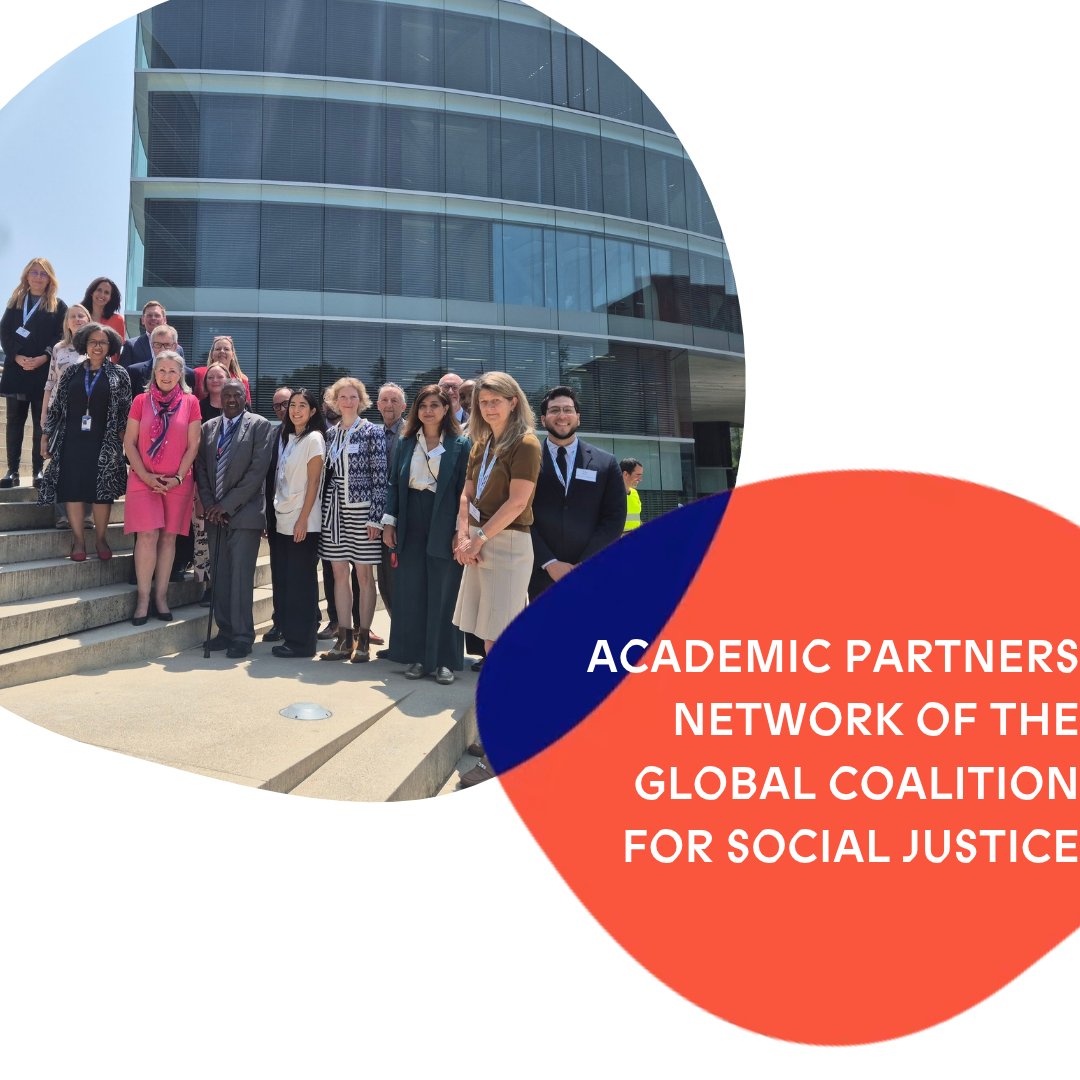
The Academic Partners Network of the Global Coalition for Social Justice connects universities and research institutions across regions to strengthen academia’s contribution to social justice.
From 2024 to 2026, the Geneva Graduate Institute served as the academic representative on the Coalition’s Coordinating Group, supported by the TASC Platform in convening academic partners and connecting research, education and public engagement with the Coalition’s work.
Through two Global Academic Meetings, the growing community of 46 academic partners identified shared priorities, including valuing local knowledge and youth, women’s and Indigenous perspectives; embedding social justice more deeply in teaching; and bringing evidence and decision-making closer together. In 2026, the Institute passed the coordinating role to the University of Panama, opening a new chapter of regional leadership and shared ownership.

Women leading Well (completed)
-
The "Women Leading Well" initiative is a dynamic program designed to support Geneva-based women in humanitarian leadership roles. Launched in January 2024, it offers a comprehensive experience encompassing interactive workshops, monthly Peer Advisory Board meetings, and public events. Participants engage in learning key "Leading Well" practices, sharing challenges and strategies, and fostering a supportive community. This program is part of a broader "Solidarity Experiment" focused on promoting trust-based solidarity and well-being within the humanitarian sector.

Shifting Perspectives Through Whole Body Intelligence (Completed)
-
This pilot programme, led by Gib Bulloch, brought together participants from different sectors and disciplines to explore leadership beyond conventional cognitive strategies, engaging the whole spectrum of human intelligence—mental, emotional, and physical. Through a series of workshops blending meditation, theatre techniques, dance, movement, and sensory awareness, participants were encouraged to transcend the linear mindset and harness their innate creativity and intuition. The 4-part programme aimed to cultivate conscious leaders capable of leveraging their full potential to address pressing global challenges. This approach, grounded in neuroscience, challenged traditional perceptions by demonstrating the profound impact of integrating "inner development" with sustainable development efforts.
