

Geneva Dialogue on Trade and labour
Making Trade Work for Workers
This session summary of the Geneva Dialogue on Trade and Labour, held during Geneva Trade Week 2026 as part of the WTO Public Forum, compiles key insights, questions and proposals emerging from the discussion. The Dialogue explored how trade and labour can be brought into closer alignment in practice, from labour adjustment and policy coherence to implementation and institutional cooperation, while revisiting the historical relationship between the two.
Read on for an overview of the main areas of convergence, tension and opportunity shaping the trade and labour debate, and the questions that remain for effective cooperation in transition.
This article anchors TASC Platform’s Geneva Dialogue on Trade and Labour blog series, drawing together the key perspectives, insights and research shared during the 2026 Dialogue at the WTO Public Forum and connecting readers to the individual voices and research that shaped the discussion.
This edition of the Dialogue on Trade and Labour took place as part of the Curated Conversations, stimulating a brisk one hour discussion at the WTO Public Forum featuring:

Short welcomes from the dialogue’s convenors, Kitrhona Cerri, Executive Director, TASC Platform, Geneva Graduate Institute, Andreas Oeschger, Policy Advisor, SECO International Labour Affairs, and Aditi Verghese, Head of Trade Governance and Policy, World Economic Forum
An opening address by Ambassador Matthew Wilson, Permanent Representative of Barbados to the United Nations, WTO and other International Organizations in Geneva, and Chair of the ILO Governing Body for 2026-2027.
An interactive discussion, moderated by Richard Samans, Senior Fellow, Geneva Graduate Institute; Non-resident Senior Fellow, Brookings Institution, with conversation-starters from: Marva Corley-Coulibaly, Chief of the Globalization, Competitiveness and Labour Standards Unit, ILO, Desirée Leclercq, Associate Professor, Faculty Co-Director, Dean Rusk International Law Center, Georgia University School of Law, Maria Mexi, Senior Advisor, Labour and Social Policy, TASC Platform, Geneva Graduate Institute, and Charlotte Sieber-Gasser, Senior Researcher in International Law, Geneva Graduate Institute.
discussion summary
There is increasing, research-driven consensus on the existence of a virtuous cycle between trade, productivity growth and the realisation of labour standards. However, this cycle is not automatic: its benefits depend on the design and implementation of mutually supportive trade and labour policies.
At bilateral, plurilateral and regional levels:

Research shows that trade liberalization is generally associated with beneficial labour outcomes, when supported by well-designed policies. However, pre-existing weaknesses in working conditions, gender equality and unemployment can be exacerbated by further liberalization if trade and domestic policies do not adequately address them.
Trade liberalization entails labour market adjustment. Managing this adjustment is critical for the success of preferential trade agreements: the longer the adjustment period, the smaller the economic gains. Therefore, countries have an interest in keeping adjustment periods short and relatively painless, meaning helping workers move into new opportunities while limiting income losses and social costs.
A key challenge is that trade governance and labour market policy function largely in silos, with labour policy often treated as subsidiary to trade policy. Package treaties can help bridge this gap by combining binding commitments on both market opening and mutually agreed “flanking measures”, including support for labour adjustment. Sector-specific market access, capacity building and tailored domestic labour policies can form part of this approach.
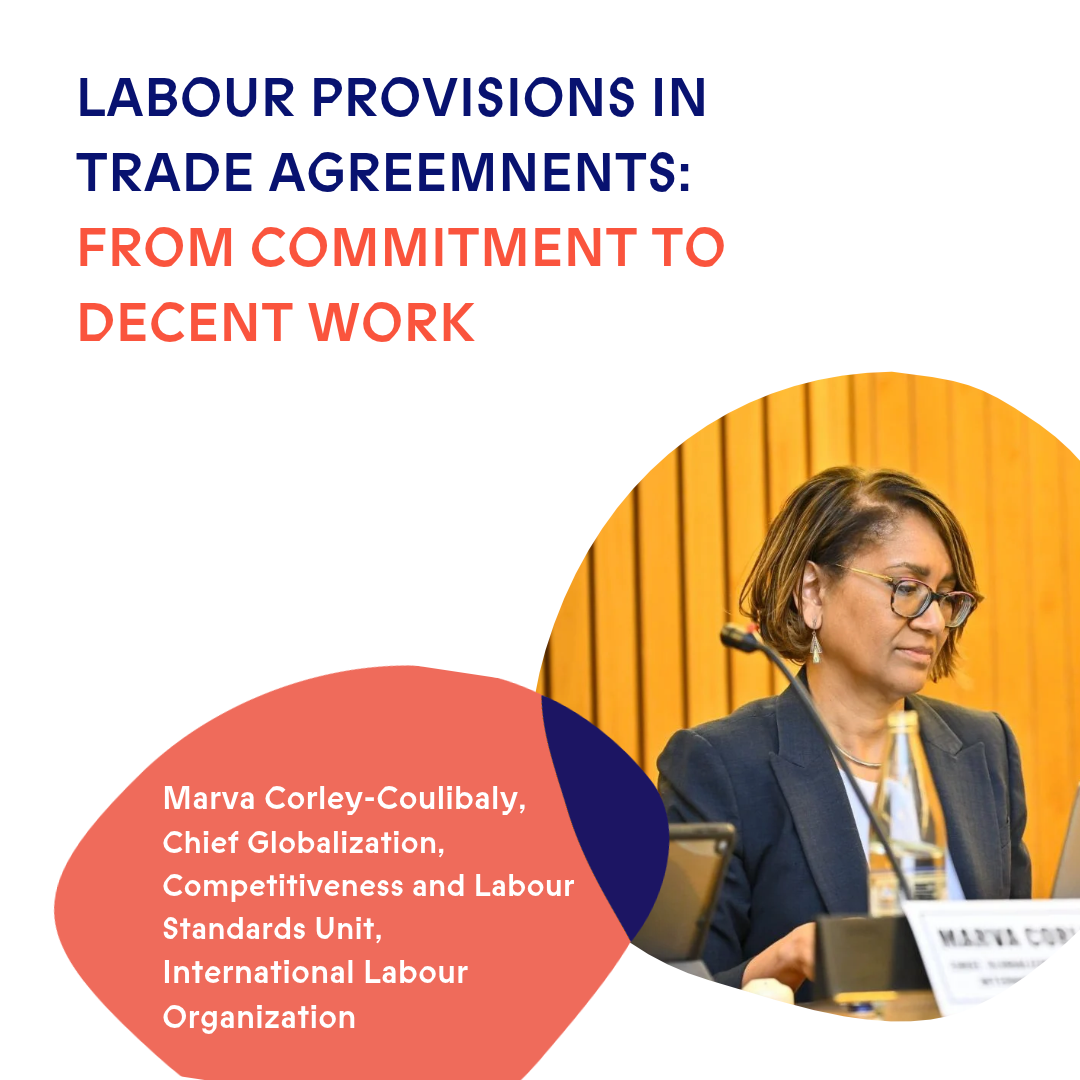
As this understanding grew over recent decades, labour provisions have become an established feature of preferential trade agreements, with around one in three agreements notified to the WTO including labour provisions. While models vary, there are some grounding commonalities among those agreements: nearly nine in ten establish at least one formal stakeholder engagement mechanism, while around 70 percent refer to the ILO Declaration on Fundamental Principles and Rights at Work as a common reference point for labour commitments.
When it comes to implementation, the ILO’s recent stakeholder surveys and dialogues across five African countries show that international trade is widely seen as a source of opportunity. However, stakeholders identify challenges around limited employment opportunities, skills mismatches and jobs quality, including wages and informality.
Trade can create employment and enterprise opportunities, but these do not automatically lead to better jobs. Employment policies, skills development, social protection and social dialogue can help translate trade opportunities into better labour outcomes. Yet, implementation remains constrained by limited resources, insufficient transparency and barriers to stakeholder engagement, including for those in the informal economy.
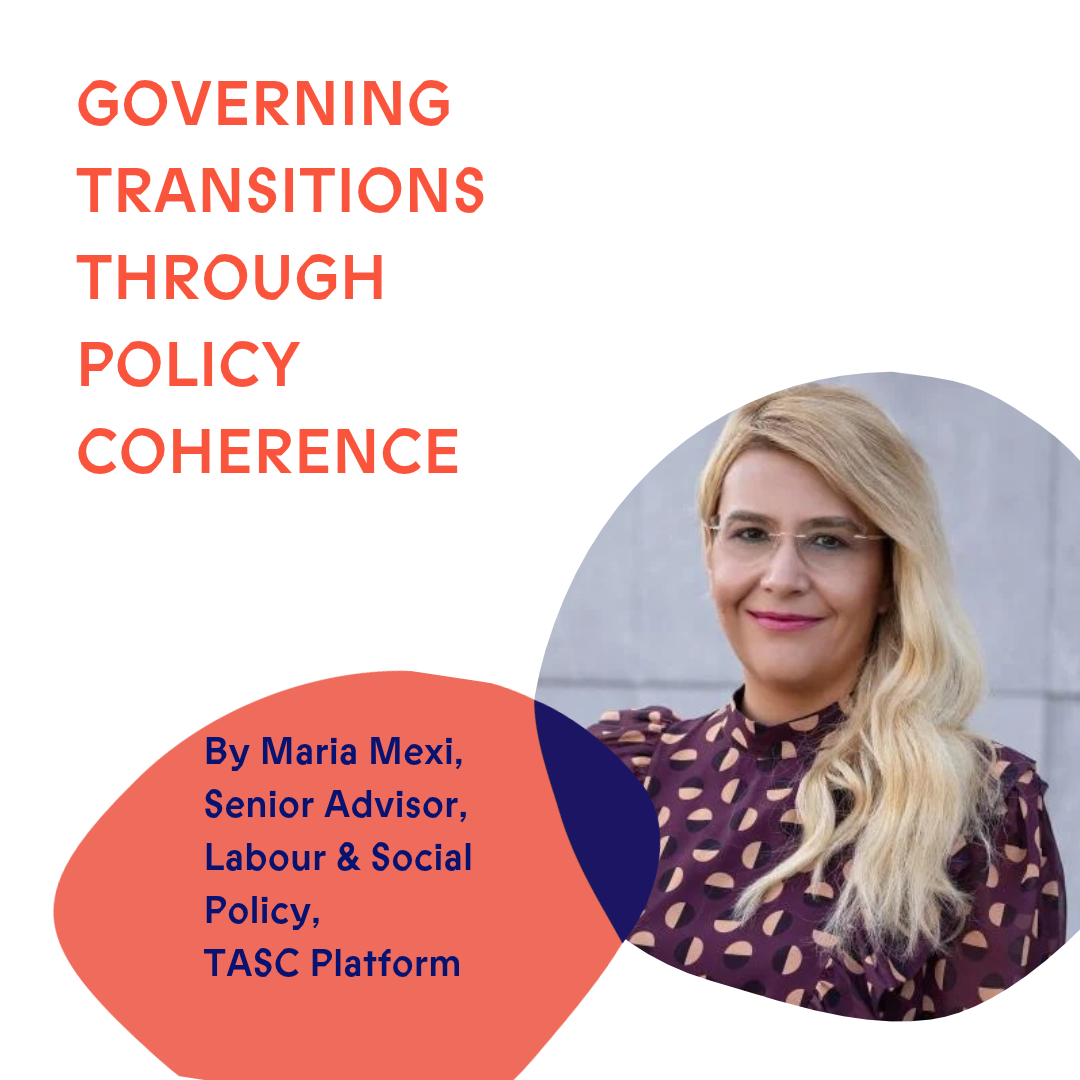
In context of the ongoing green and digital transitions, the misalignment between trade strategies and labour governance can widen rapidly, with the risk of shifting adjustment costs to workers through precarious employment, informality and unsafe working conditions. This misalignment can arise through policy sequencing (whether labour and social partners can effectively influence trade and investment decisions before priorities and resources are settled), and through the temporal gap between structural transformation and institutional adaptation: labour governance often adjusts more slowly than economic activity, with direct consequences for workers.
suggestions included:
1. Integrating labour-related provisions into other chapters of preferential trade agreements, for example, those on trade in goods, digital trade, investment, or regulatory cooperation chapters, which are occasionally reflected as being misaligned with labour outcomes in the literature.
2. Better understanding and supporting labour adjustment caused by trade liberalization, e.g. by conducting ex-ante and ex-post impact assessments (including on employment, job quality and gender equality) and adopting targeted “flanking measures”.
3. Strengthening labour compliance at the enterprise level, drawing on distinct approaches such as the facility specific Rapid-Response Mechanism under the USMCA and the investor obligations in the ACFTA Protocol on Investment.
4. Strengthening regional and south-south cooperation and knowledge transfer, e.g. through the Mercosur mechanism for transnational labour inspections in border regions, which are resulting in cooperation and knowledge sharing.
5. Leveraging market-access and supply chain-incentives to improve labour compliance, as illustrated by the US-Cambodia textile agreement, which linked additional export quotes to better working conditions, supported by ILO monitoring.
at the multilateral level:
There is broad consensus that trade and labour policies are connected and interdependent. However, to date, views differ on how and where to address this relationship at the multilateral level.
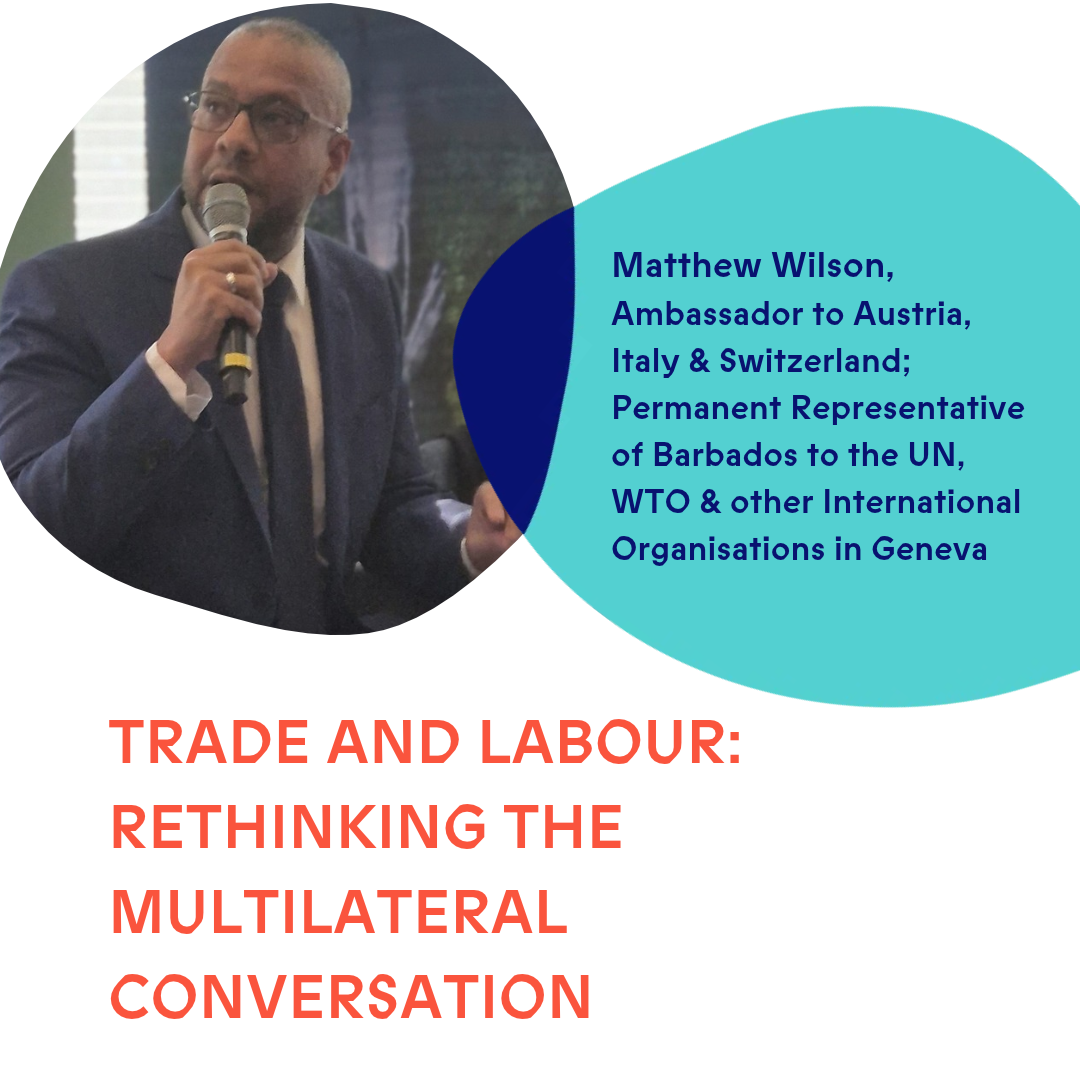
Alongside this year’s centenary of the Centre William Rappard, the former headquarters of the ILO and current headquarters of the WTO, and the symbolism embodied by it, speakers also noted the thirtieth anniversary of the 1996 Singapore Ministerial Conference. In Singapore, WTO members confirmed the ILO as the competent body to deal with international labour standards, while reaffirming their commitment to internationally recognized core labour standards and rejecting the use of labour standards for protectionist purposes.
This reflects the long-standing concern among developing countries that labour standards could be used to justify disguised protectionism, a major obstacle to advancing the trade and labour debate at the WTO. These concerns have resurfaced in debates on the US Section 301 action against sixty economies, based on the US authorities’ finding that they had failed to impose and effectively enforce bans on imports of goods produced with forced labour.
Participants were also reminded of the 2008 ILO Declaration on Social Justice for a Fair Globalization, adopted unanimously by the ILO’s tripartite constituents from 182 member States (which are also member states of the WTO).
The Declaration advances the Decent Work Agenda, while also affirming that the violation of fundamental principles and rights at work cannot be invoked or otherwise used as a legitimate comparative advantage and that labour standards should not be used for protectionist trade purposes.
The challenge lies in implementation and enforcement. How can the trade and labour communities, particularly the ILO and WTO work together in practical ways to address the realities faced by workers, employers and governments? The green and digital transitions make this question more urgent: cooperation needs to address where new jobs will emerge and how workers can access them.

The discussion returned to the 1948 Havana Charter, which never entered into force. The Charter envisaged consultations and cooperation between the proposed International Trade Organisation and the ILO on labour standards in disputes, within a multilateral framework for authorising the suspension of obligations or concessions. In the absence of such a model within our current multilateral system, retaliatory measures are currently decided unilaterally, raising concerns of trust, fairness and legitimacy. This dynamic is most recently reflected in debates over the US Section 301 action built on allegations over the lack of sufficient action to prevent the imports of goods produced forced labour.
Suggestions included:
Violations of labour rights affect public morals, which are recognized in GATT Article XX(a) and GATS Article XIV(a). An authoritative interpretation of the application of these provisions on labour-related trade measures could help clarify this relationship, while preserving the applicable necessity and non-discrimination requirements
While the WTO is not currently in a position to negotiate or adjudicate, its convening power remains significant and, together with partners, could support more fundamental reflection and collaboration on the intersection of trade and labour policymaking. Participants recalled proposals for an informal WTO working group on “trade and decent work” or “trade and employment”. Such a dedicated space could facilitate exchanges on labour-related trade policies and implementation experience, explore how relevant employment and labour issues could be considered in trade policy reviews, and support closer ILO–WTO coordination and joint research. The growing debate around forced labour import bans underscores the need for such dialogue and better policy coordination, while also highlighting the importance of addressing developing countries’ concerns about disguised protectionism.
Any future dialogue going forward should be more inclusive, involving workers’ and employers’ organisations early enough to influence policy choices. At local levels, micro, small, medium-sized enterprises are often excluded from the discussion. These enterprises play a key role in providing decent jobs for growing youth populations and need support to create decent jobs as digitalisation reshapes markets and the world of work. There is both a clear business case as well as a moral case for inclusion and cooperation.

The Trade and Labour Programme convenes stakeholders across trade and labour research, policy and practice to examine how economic transitions can deliver more just and inclusive outcomes. Through fieldwork, multistakeholder dialogue, and policy engagement, the programme is building momentum for a global trade system that is socially responsive, economically resilient, and fit for the future of work, and the future of working together.
📬 Interested in joining this dialogue? Get in touch with us.