insights
Giving modern challenges
and ideas a home
We curate the latest insights, updates and invitations from ground-breaking initiatives on the future of work and working together. Follow us on LinkedIn and Twitter to keep up to date. Join the TASC Community to share your work.
PerspeCtives
Add your pricing strategy. Be sure to include important details like value, length of service, and why it’s unique.
Publications
Add your pricing strategy. Be sure to include important details like value, length of service, and why it’s unique.
Video
Add your pricing strategy. Be sure to include important details like value, length of service, and why it’s unique.
Recent News
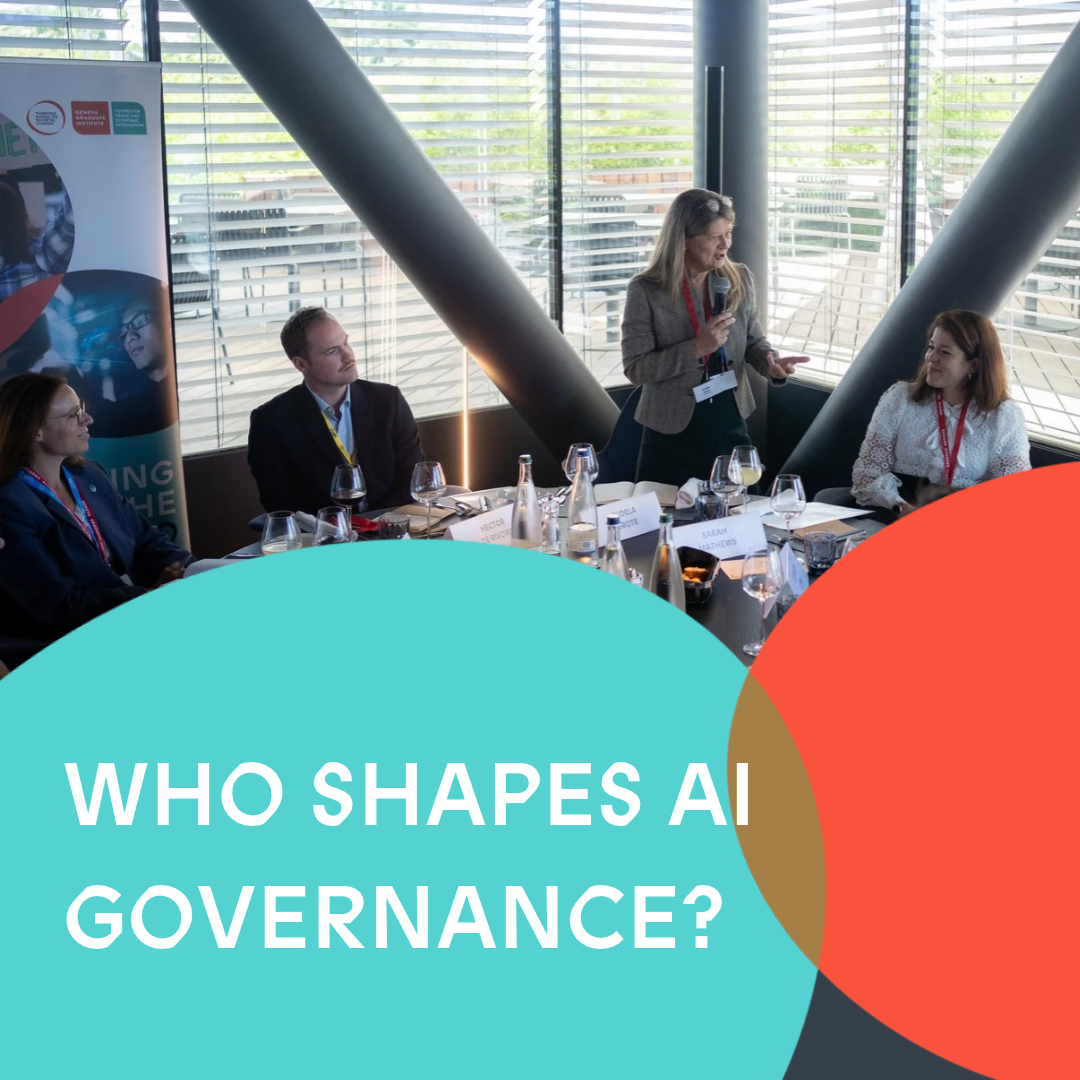
These event highlights capture key governance insights from the TASC Platform's dialogue Use at Your Own Risk? Integrating Developers into AI Governance, convened alongside the first UN Global Dialogue on AI Governance.
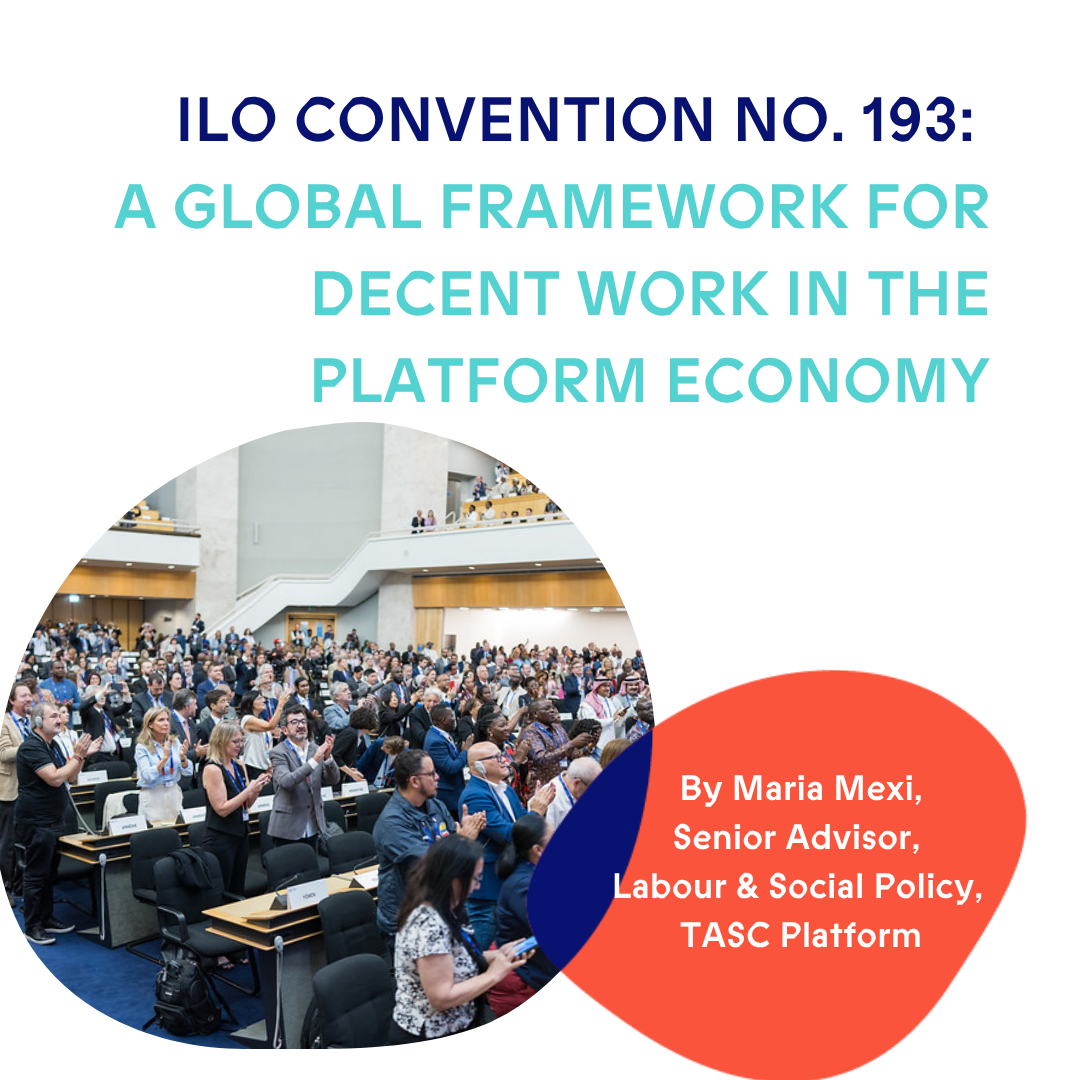
Dr Maria Mexi examines the ILO's first international labour standard on platform work, explaining how Convention No. 193 establishes a global framework for rights, governance, and accountability, and what successful implementation will require at national level.
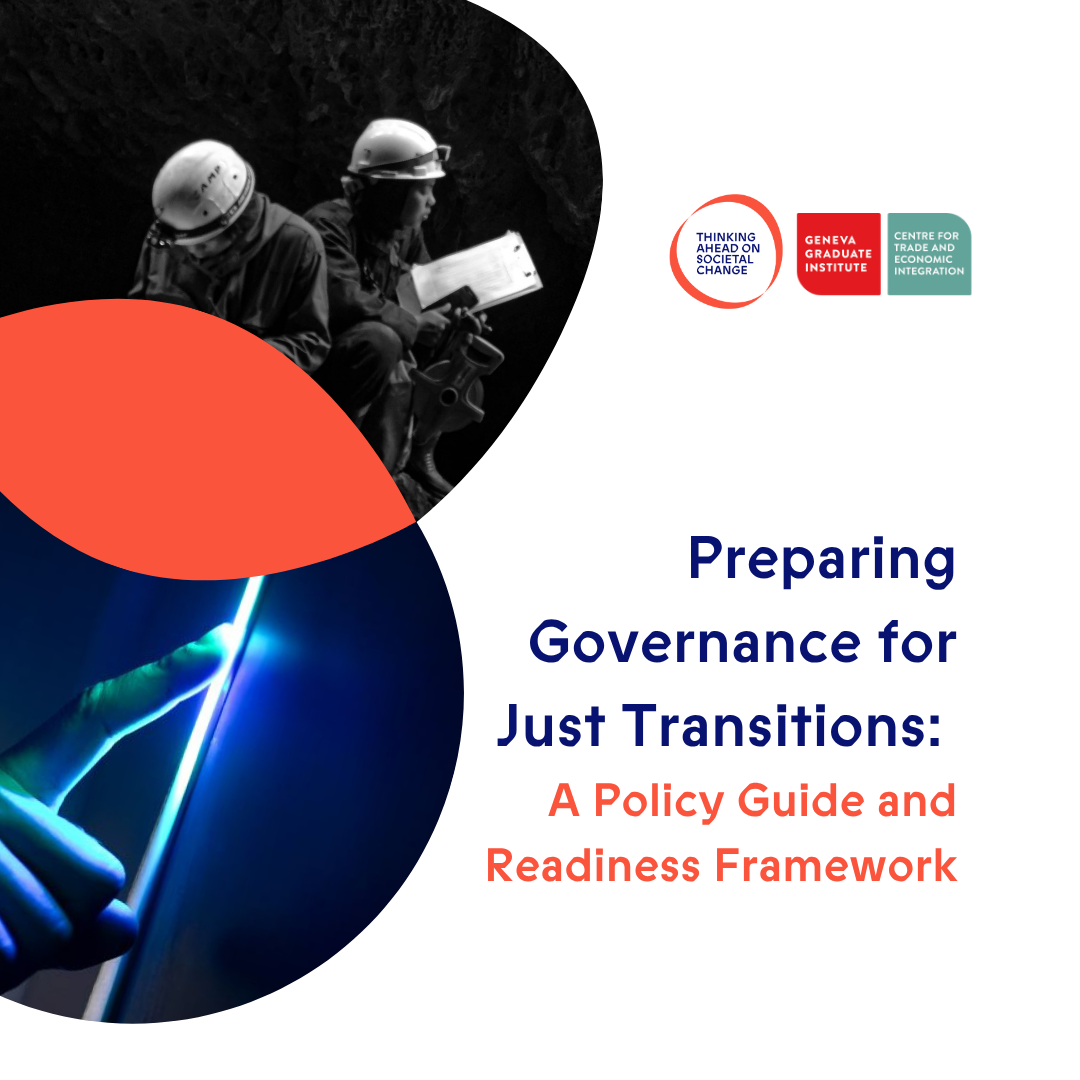
How can just transitions be delivered in practice? This article presents TASC Platform’s new Policy Guide as a governance-readiness framework for identifying risks early, closing accountability gaps, and building more coherent, inclusive, and actionable transition planning.
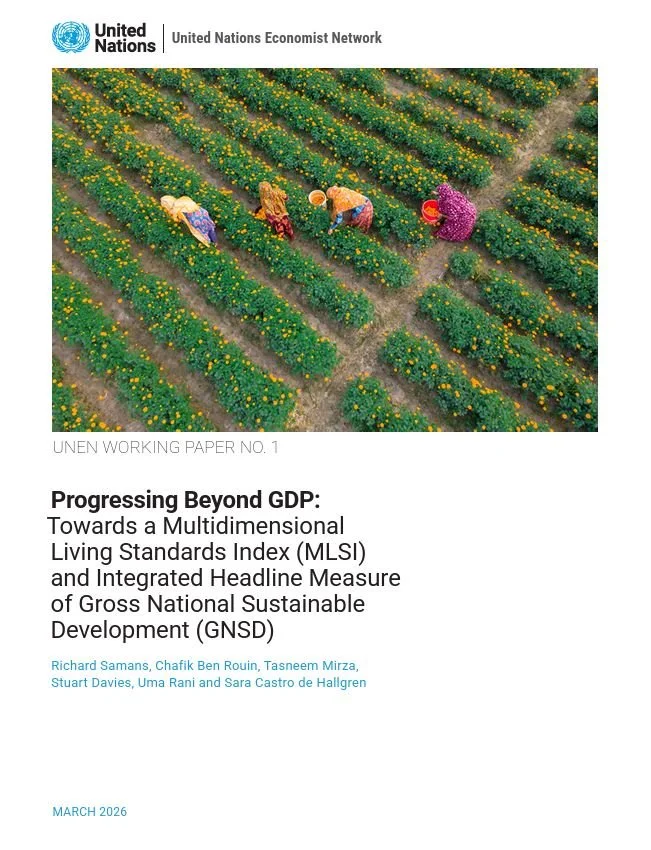
A new paper by the UN Economist Network, led by Richard Samans and co-authored with Chafik Ben Rouin, Tasneem Mirza, Stuart Davies, Uma Rani, and Sara Castro de Hallgren, proposes moving beyond GDP through a Multidimensional Living Standards Index (MLSI) and a new headline measure, Gross National Sustainable Development (GNSD), integrating economic output with lived experience to better guide policy on inequality, AI, climate, and inclusive growth.
The Geneva Graduate Institute and Center for Trade and Economic Integration (CTEI) is delighted to be joined this year by Richard Samans, a leading author and international authority on the fundamental reform of economic policy, corporate governance and the academic discipline of economics to support a more inclusive and environmentally sustainable future.
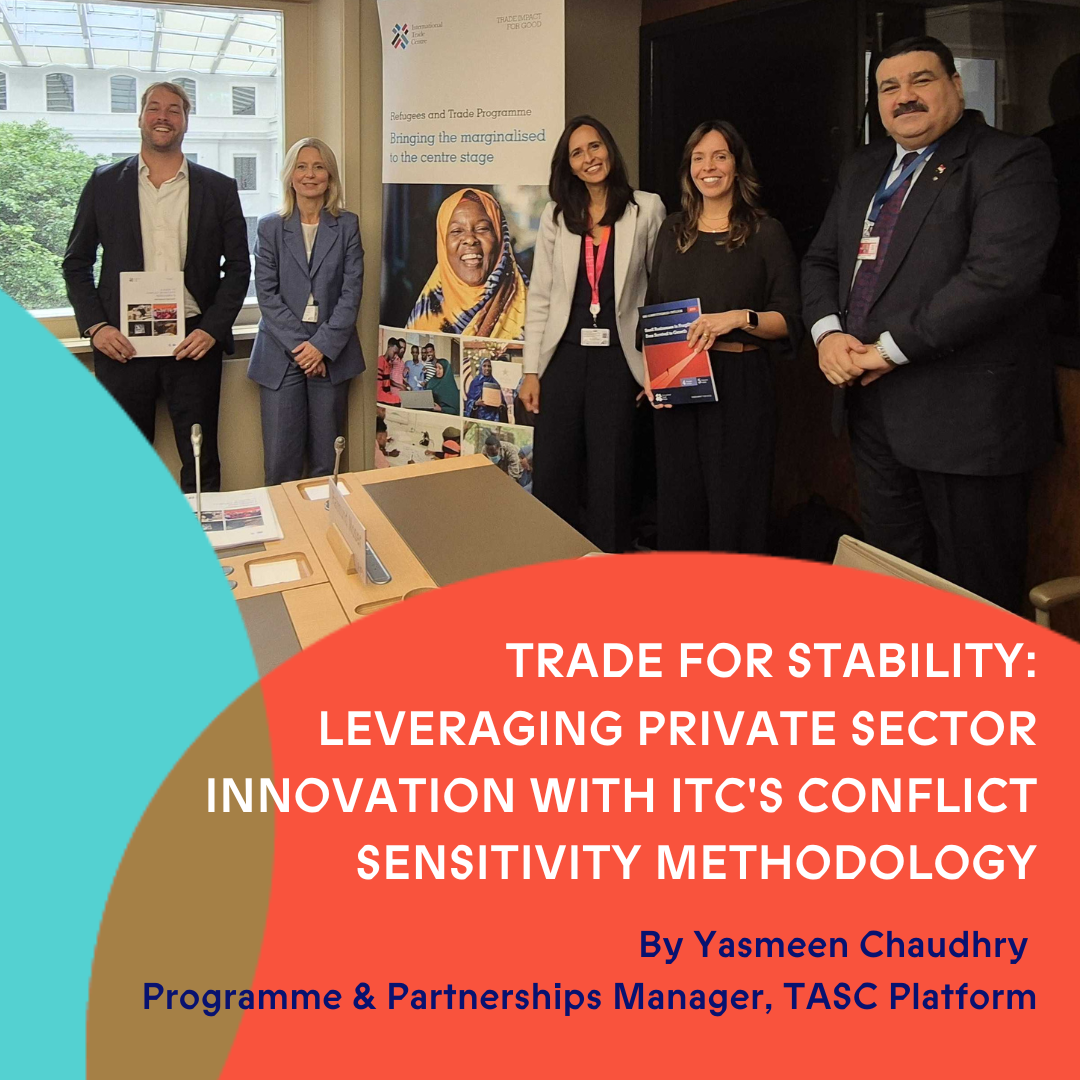
The International Trade Centre (ITC) hosted a panel at the WTO Public Forum 2024, to explore how businesses can support refugee integration through the labour markets. Read TASC’s Executive Director, Kitrhona Cerri insights on creating sustainable pathways through digital employment and the emerging Business Community of Practice co-hosted by the TASC Platform and ITC.
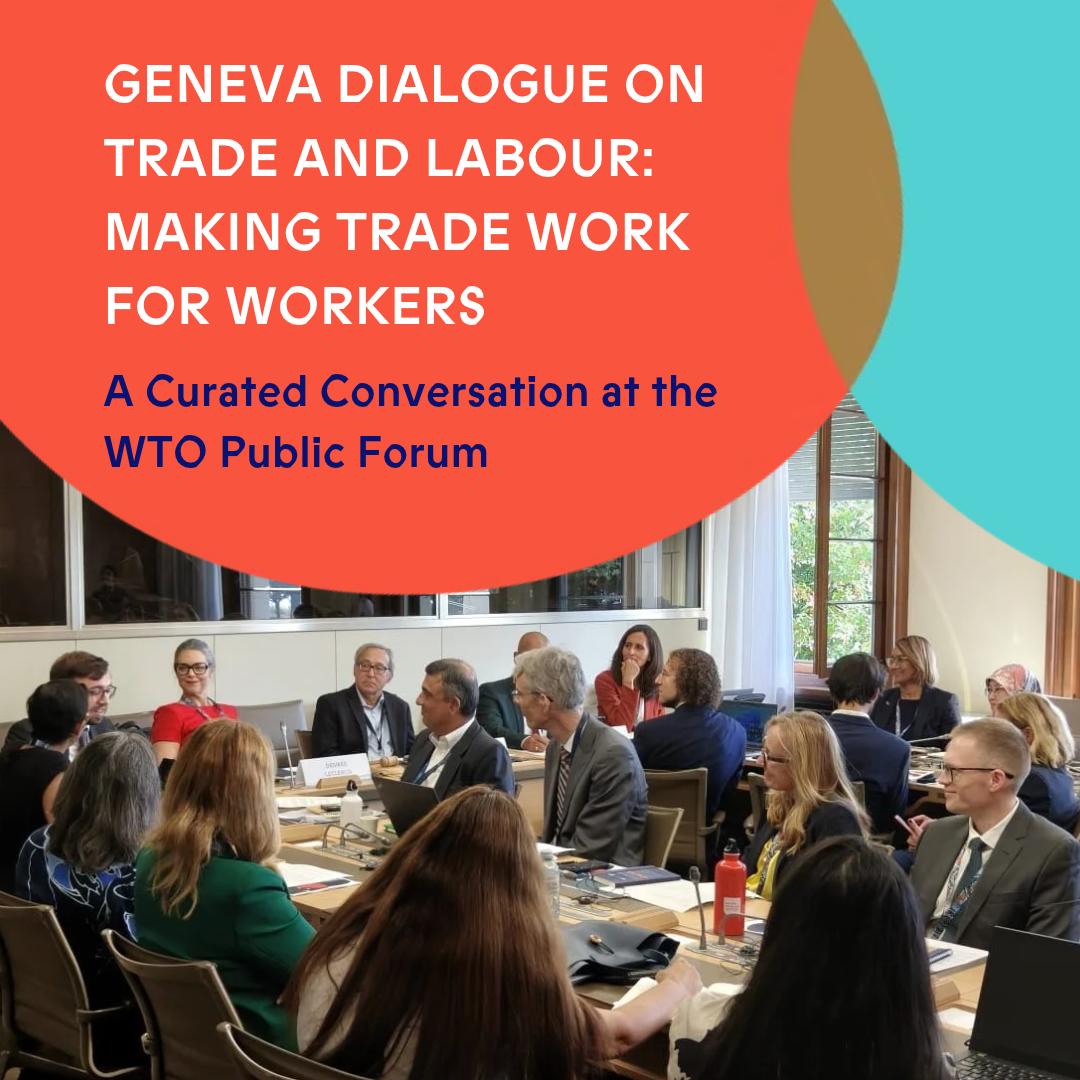
The TASC Platform and the World Economic Forum Inclusive Trade team hosted a roundtable on labour in the green and digital transitions. Key discussions centered on the Trade and Labour Nexus in Kenya and Indonesia, exploring strategies to protect workers and reshape supply chains transitions, during the Geneva Trade Week 2024, hosted in the margins of the WTO Public Forum 2024.
Since August 2024, the TASC Platform, alongside the Geneva Trade Platform, is now co-hosting the Business & Conflict Community of Practice, which began in 2022. This global network connects over 200 professionals, fostering responsible business practices in conflict-affected environments. The Business & Conflict Community of Practice is managed by Annika Erickson-Pearson, facilitating regular exchanges and relationship-building.
Join our Digital Services Pathway initiative, a collaboration between the International Trade Centre (ITC) and TASC Platform, aimed at harnessing the power of private sector innovation for refugee integration.
Are you part of a forward-thinking business that has leveraged refugee talent in digital services? Your experience could light the way for others, fostering a global network of inclusion and opportunity. Share your success and inspire a movement towards a more diverse and resilient digital economy.
Catch the recording of our event with Richard Samans discussing his latest book "Human-Centered Economics: The Living Standards of Nations." The book advocates for an economic model that harmonizes growth with societal welfare which, which according to Samans and fellow panelists Sung Min Rho, Didier Chambovey, Cédric Dupont is not only possible but essential.
Join us in celebrating International Women's Day in welcoming Professor Gudela Grote, from ETH Zurich specializing in Work and Organizational Psychology, as the newest Co-Chair of the TASC Platform. Explore her groundbreaking insights on the future of work, AI , and the critical role of diversity and inclusion in technology in our latest TASC Takes podcast
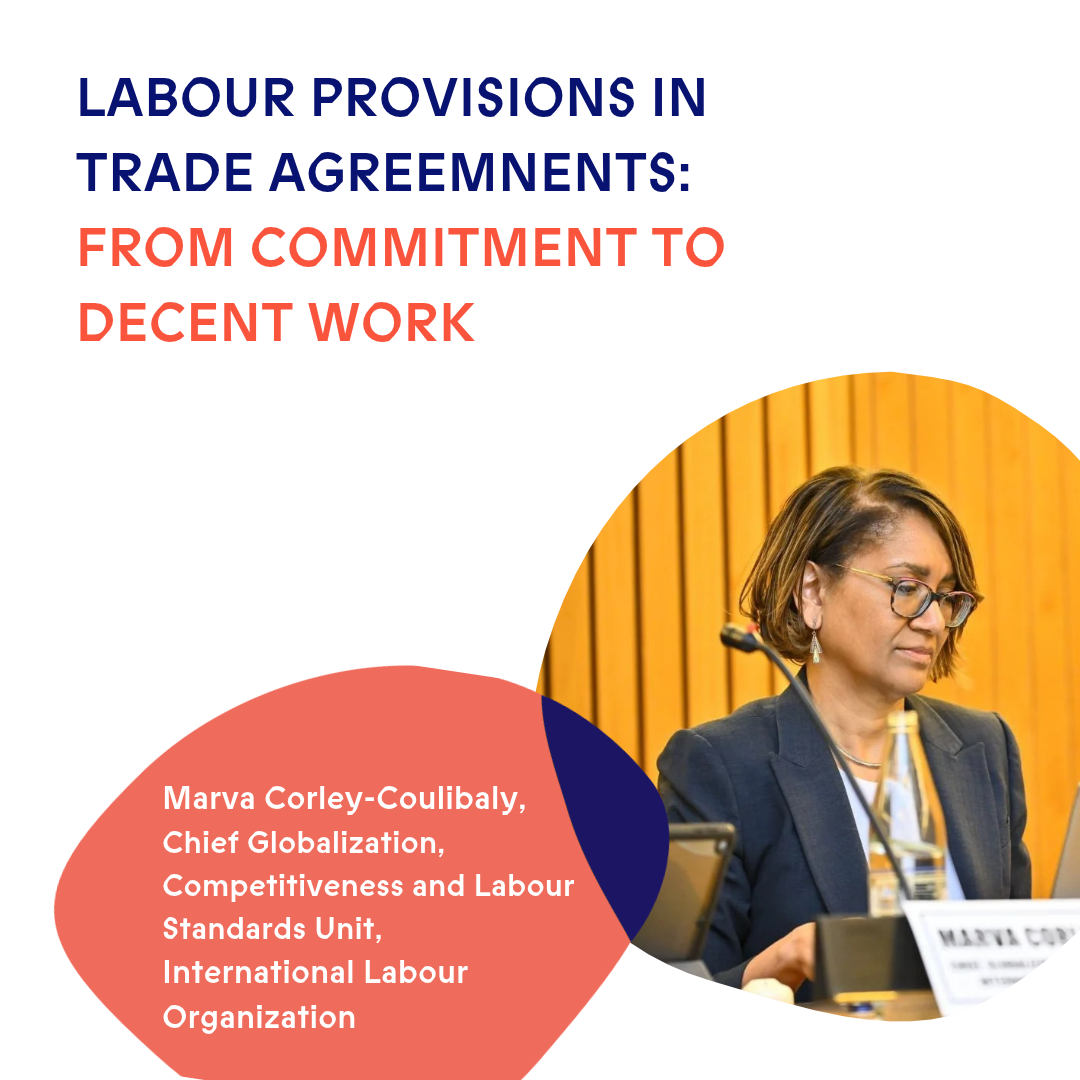
While international trade has created opportunities and lifted incomes in many instances, it has caused disruptions to labour markets and encouraged the lowering of labour standards in others. Poverty wages, forced and child labour and other longstanding labour challenges persist in global value chains, even as new risks emerge from geopolitical, digital and green transitions. In the context of a fast-moving regulatory landscape, this piece takes stock of various trade policy tools being used to tackle labour and human rights challenges in supply chains.
Recent Perspectives
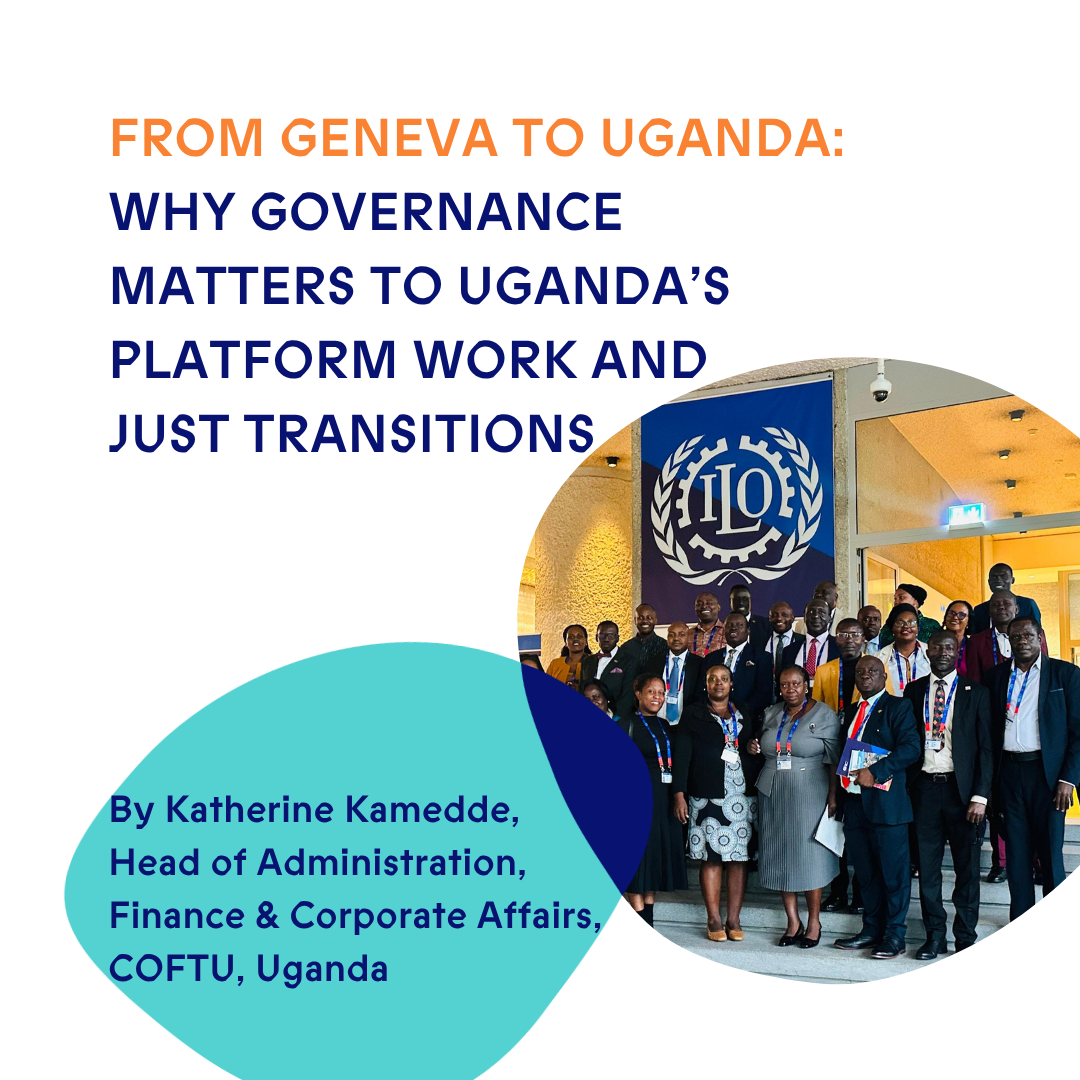
In this personal reflection, Katherine Kamedde of Uganda's Central Organisation of Free Trade Unions (COFTU) explores how the adoption of the Platform Economy Convention and lessons from the International Labour Conference can help strengthen governance readiness for platform work and just transitions in Uganda.
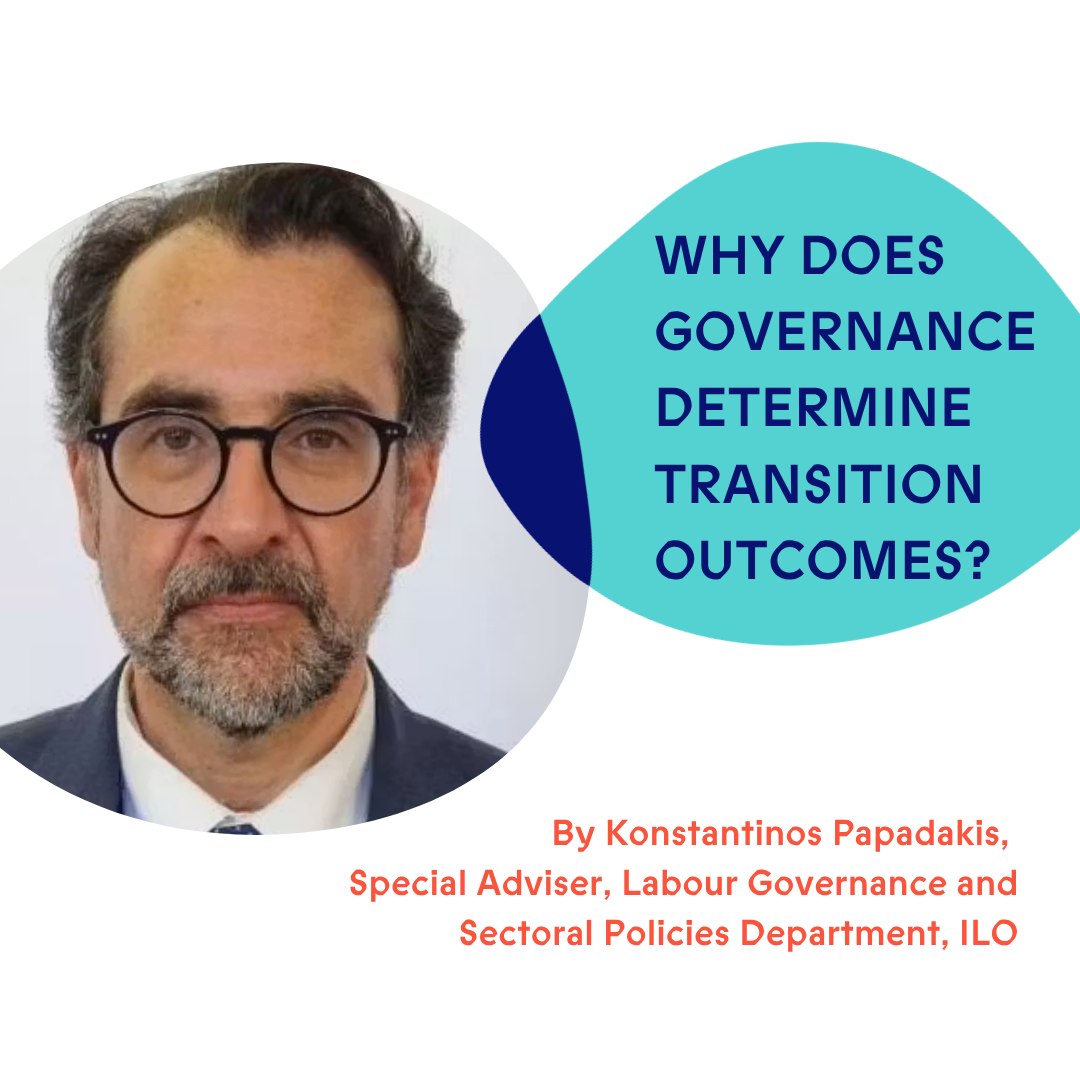
In this commentary, Konstantinos Papadakis, Special Adviser at the ILO, explores why governance, institutional readiness, and social dialogue, not technology alone, determine whether green and digital transitions deliver fair and inclusive outcomes.
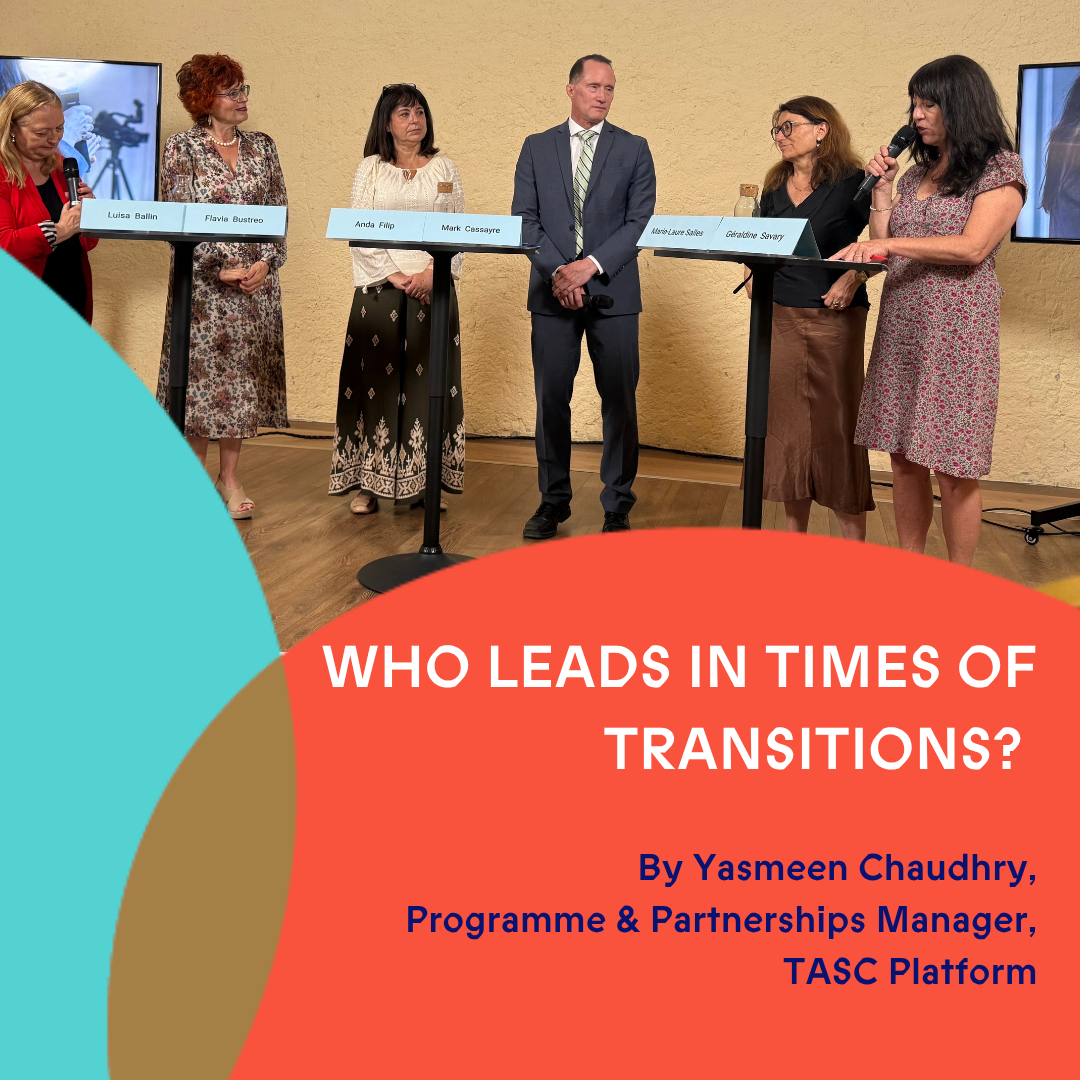
In this reflection, Yasmeen Chaudhry explores how the debate surrounding the next United Nations Secretary-General is prompting a broader conversation about leadership, governance, and institutional renewal at a time of profound change for the multilateral system.
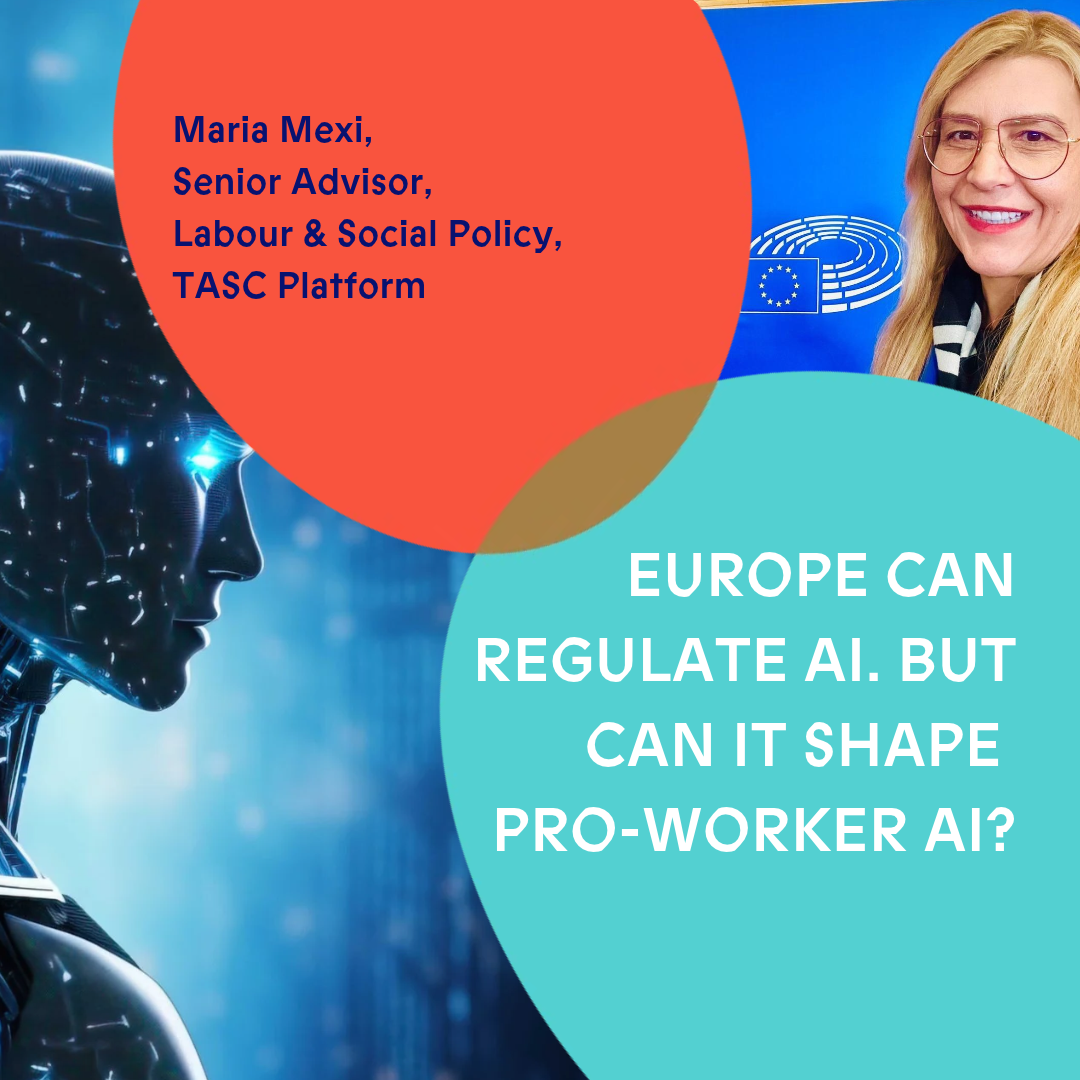
Maria Mexi examines whether the EU’s regulatory leadership can translate into real influence over how AI is designed—and who it ultimately benefits in the workplace.
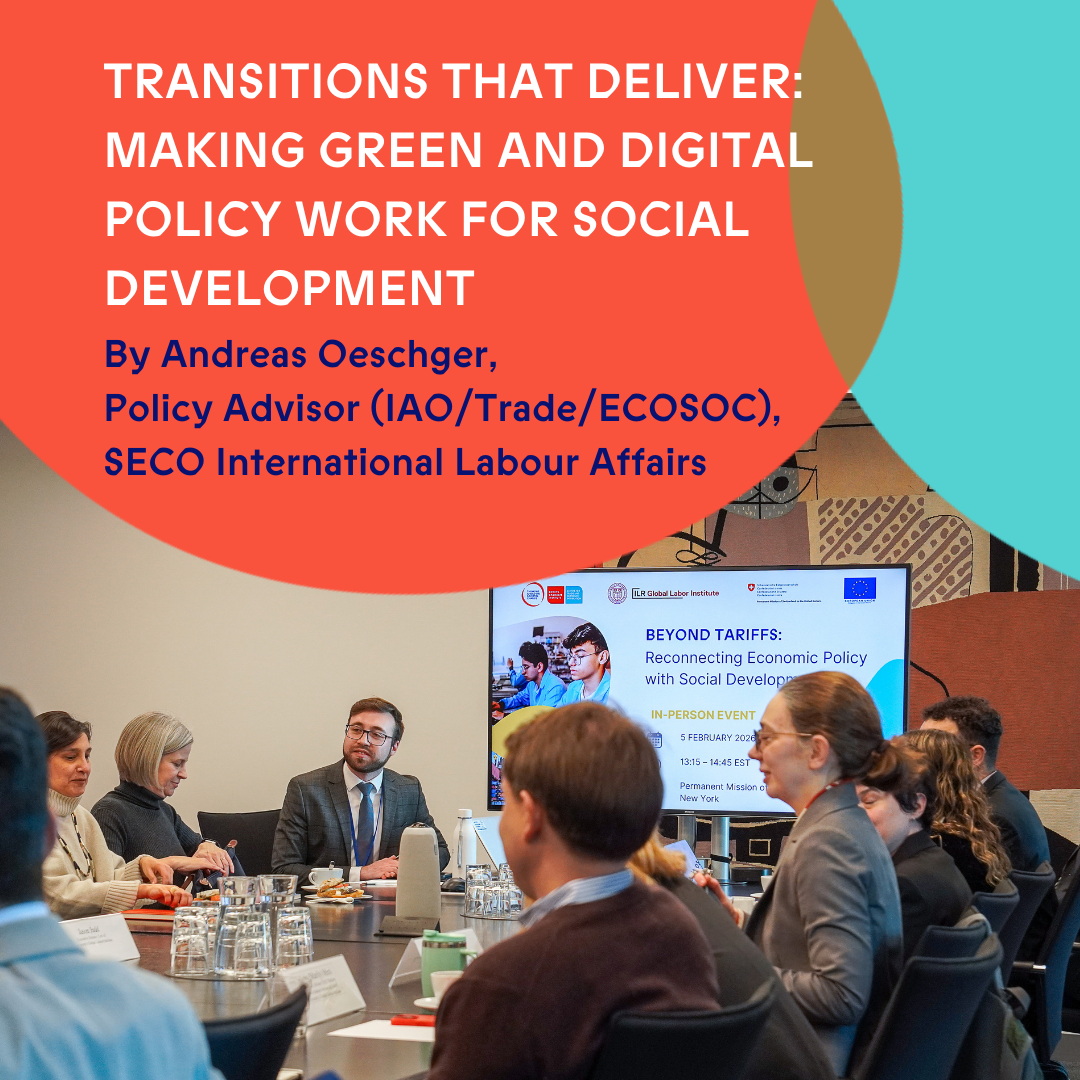
In this reflection, Andreas Oeschger, Policy Advisor at SECO International Labour Affairs, synthesises the key takeaways from the CSocD64 side event on reconnecting economic policy with social development. His overview highlights how green and digital transition policies are reshaping economic governance and what it will take to ensure these shifts translate into decent work and inclusive growth.
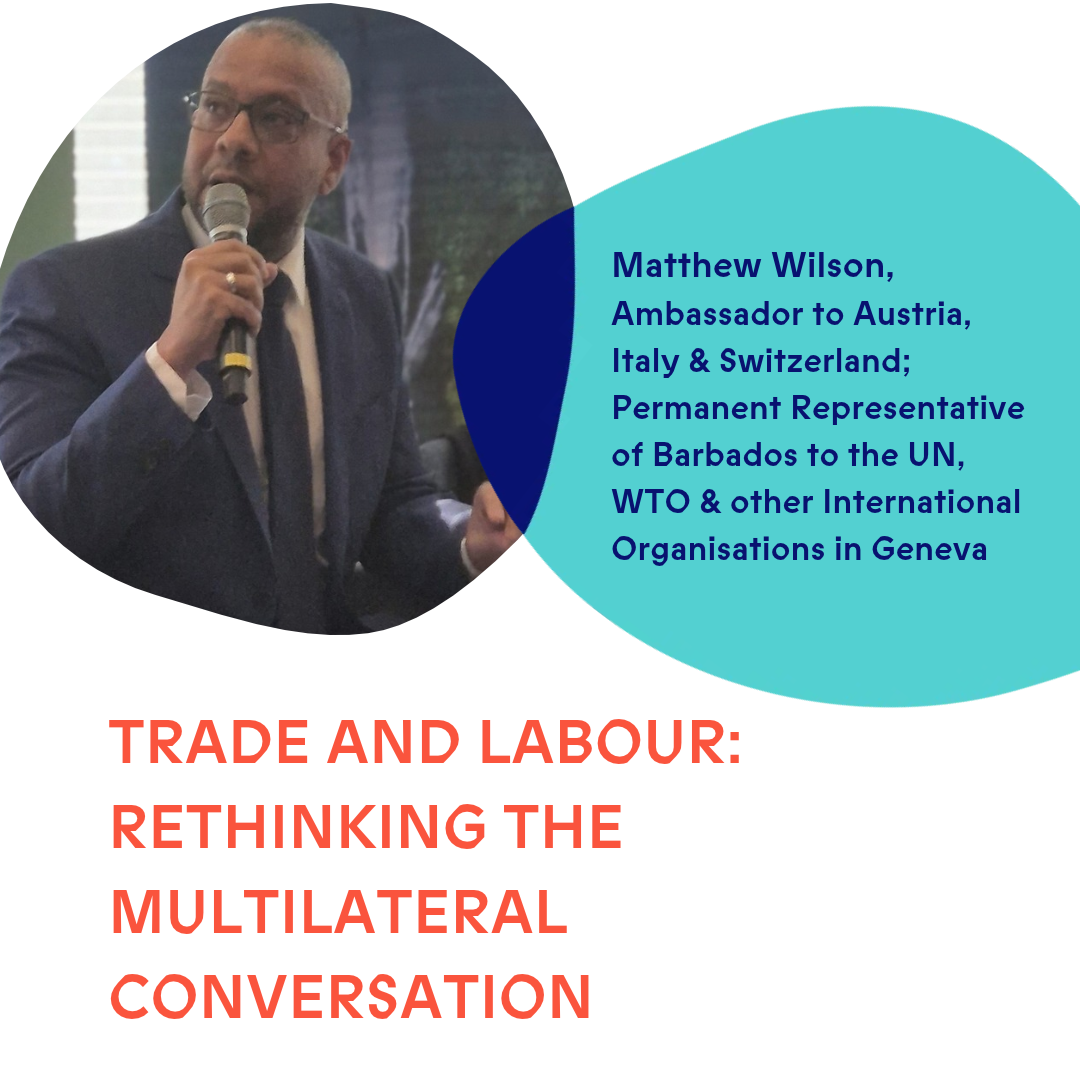
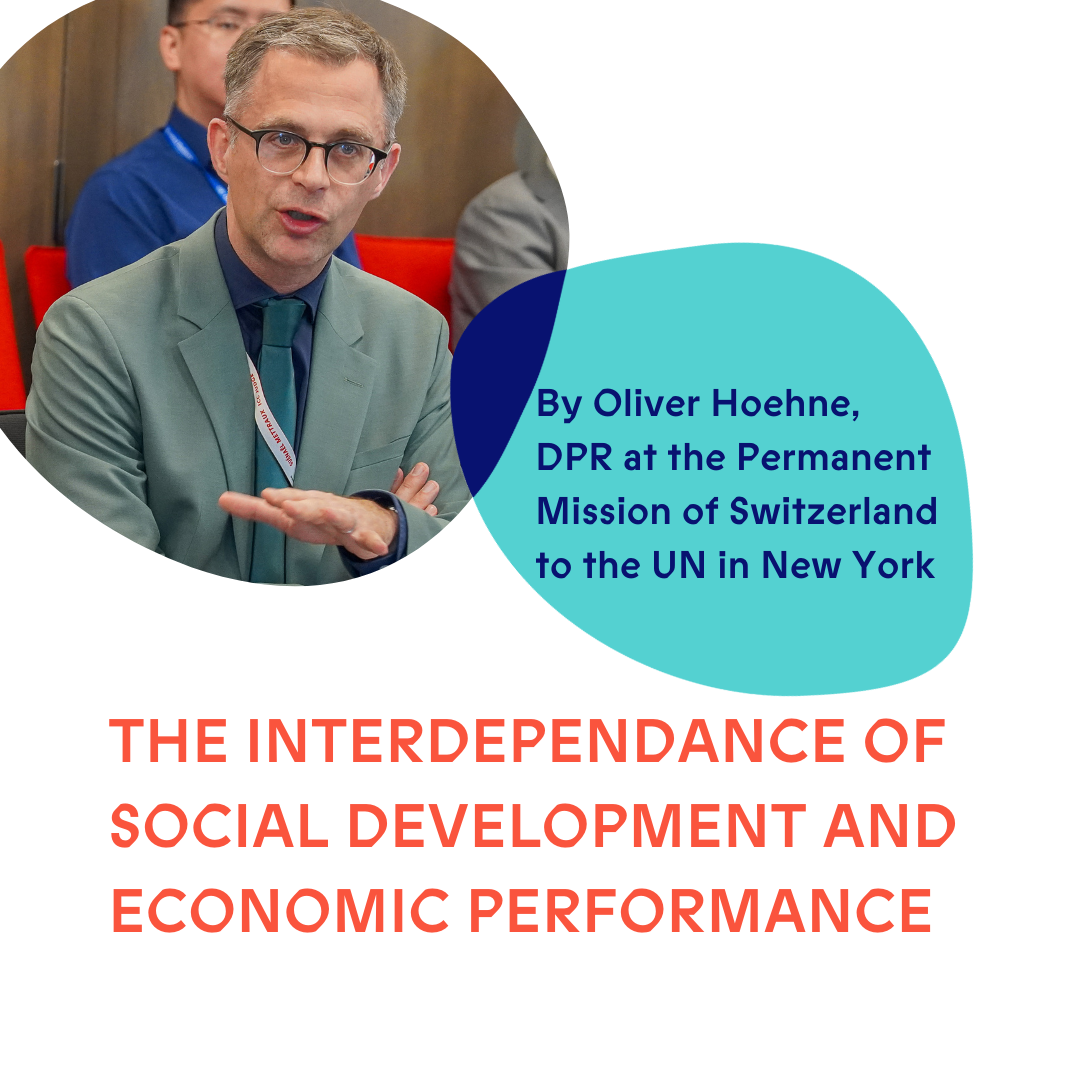
Oliver Hoehne, Deputy Permanent Representative of Switzerland to the United Nations in New York, reflects on how economic policy and social development have become increasingly intertwined in today’s global economy. Tracing the evolution of policy thinking from the Copenhagen Declaration to current debates, he highlights how tools such as tariffs, industrial policy, and sustainability standards are now shaping not only markets but also social outcomes—underscoring the need for economic strategies that deliberately support inclusive and resilient development.
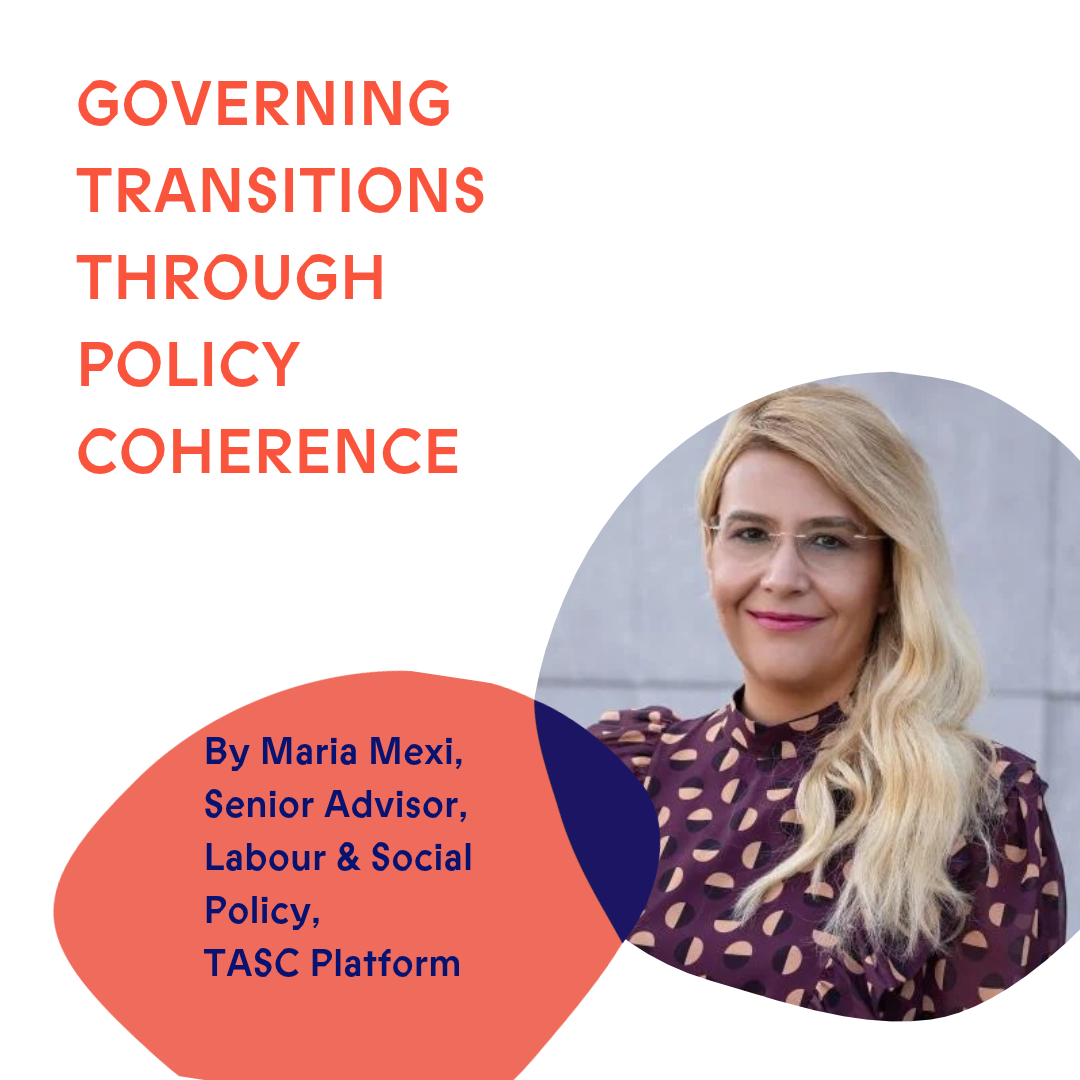
Dr. Maria Mexi, Senior Advisor on Labour and Social Policy at the TASC Platform, explores how trade and economic policies intersect with labour outcomes in an era of digital and green transitions. Drawing on case studies from Kenya’s digital economy and Indonesia’s nickel value chain, she highlights the growing challenge of aligning economic transformation with labour governance, showing why policy coherence and effective implementation are essential to ensure that global transitions deliver decent work and inclusive development.
Jason Judd, Executive Director of the ILR Global Labor Institute at Cornell University, sets the scene for the dialogue by tracing how trade policy has evolved over three decades, from NAFTA’s loosely attached labour provisions to more integrated approaches such as USMCA and emerging due diligence frameworks. Framing this evolution as a long process of incubating, testing, and refining ideas, he asks a central question: are these new tools truly delivering better outcomes for workers and social development?
From Kenya’s digital economy, Kitrhona Cerri and Maria Mexi unpack how platforms, data, and algorithms are redefining industrial policy and the risks of falling into digital dependency.
On World Day of Social Justice, our Director, Marie-Laure Salles of the Geneva Graduate Institute, underscores the urgency of mobilising academia and the wider research community. She positions universities as catalysts for knowledge, connection, and concrete action within the Global Coalition for Social Justice.
Reporting from Strasbourg, Maria Mexi highlights the EU’s accelerating “Omnibus-isation” and its implications for governance, data rights, and the future of work.
Sara Elder and Ioanna Tzardi share their takeaways from our stimulating series of regional intergenerational dialogues, together with the ILO Youth Foresight, to mark 20 years of the ILO's Global Employment Trends for Youth Report.
Lorraine Charles, Executive Director and Founder of Na'amal, explores how two new guides offer businesses and policymakers strategies to expand digital employment for refugees through freelancing, remote work, and inclusive hiring, creating new pathways for economic opportunity and workforce inclusion.