

Transitions That Deliver: Making Green and Digital Policy Work for Social Development
Andreas Oeschger, Policy Advisor at Swiss State Secretariat for Economic Affairs (SECO) International Labour Affairs, reflects on the key takeaways from dialogue alongside the 64th Commission for Social Development, highlighting how green and digital transitions are reshaping economic policy and why stronger alignment is needed to ensure these shifts deliver meaningful social outcomes.
On 5 February 2026, policymakers, researchers, and multilateral actors convened at the Permanent Mission of Switzerland to the United Nations for a high-level side event to the 64th Commission for Social Development (CSocD64). Titled “Beyond Tariffs: Reconnecting Economic Policy with Social Development,” the discussion addressed a timely and urgent question:
How can evolving economic policy frameworks actively support social development rather than reproduce inequality in the context of green and digital transitions?
The event was co-organised by the TASC Platform and the Geneva Graduate Institute, together with the ILR Global Labor Institute(GLI) at Cornell University, and co-sponsored by the Permanent Mission of Switzerland to the United Nations and the Delegation of the European Union to the United Nations in New York.
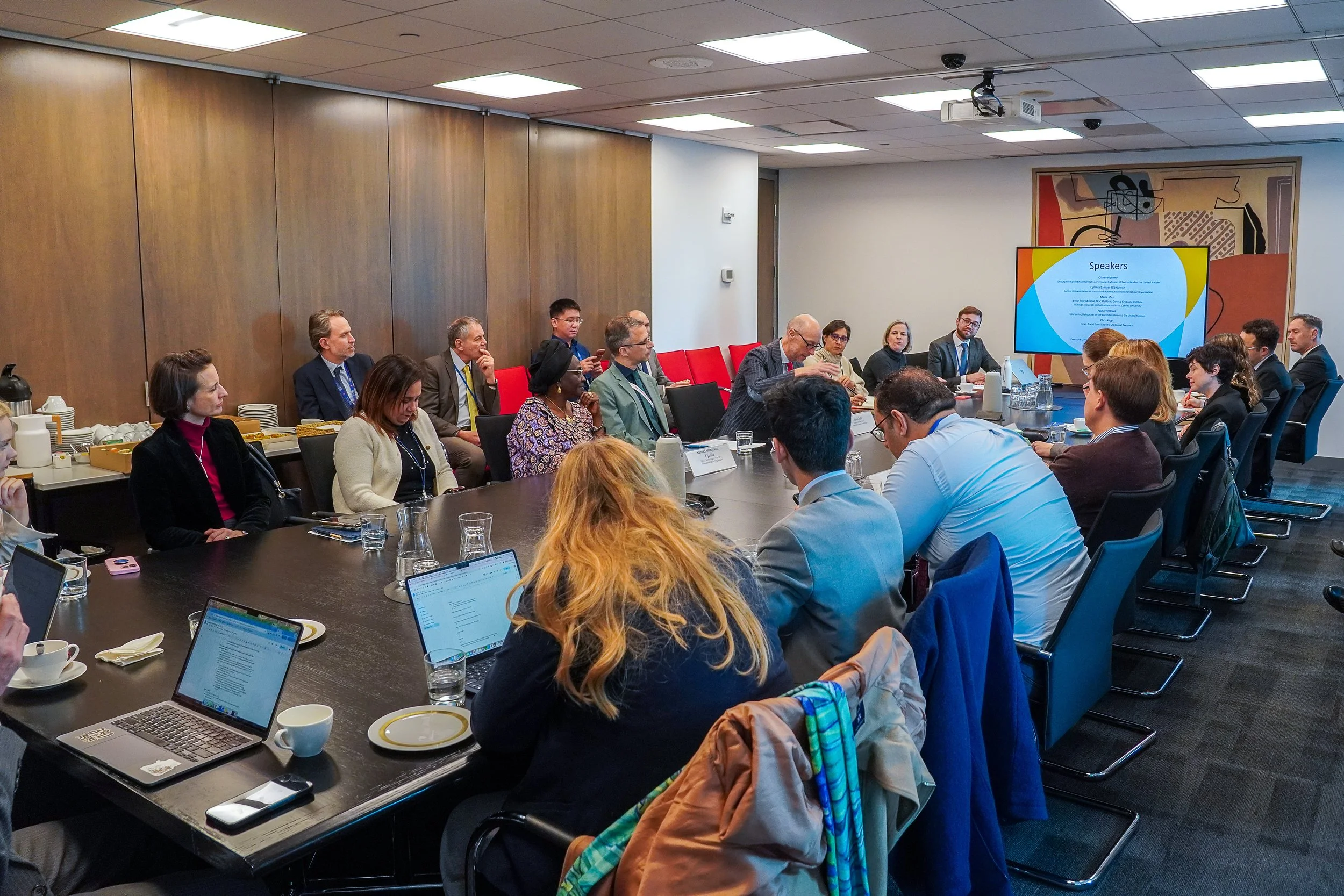
Jason Judd, Executive Director of the Cornell University Global Labor Institute in the ILR School, framed the conversation on trade, labour and social development policy by reminding discussants of the process arc for New Deal order that is now prominent globally. Quoting historian Gary Gerstle: “How long did it take the New Deal order to become what it was in terms of a coherent set of policy proposals?” he underlined that transformative policy orders take 30 to 40 years to mature.
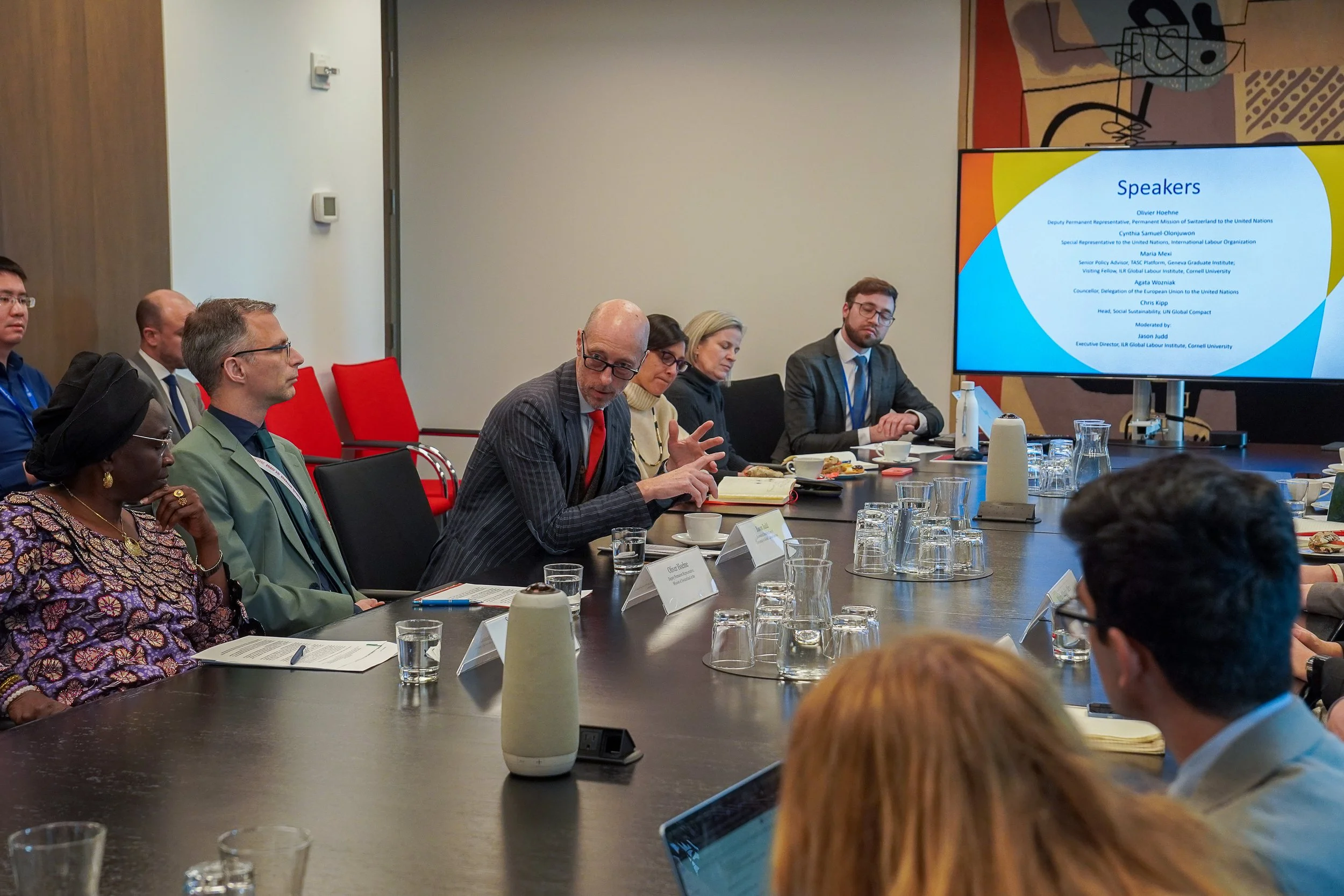
“We’re at historian Gary Gerstle’s 30 year mark, from Copenhagen to Doha, and we’re part of the incubating and testing and refining of ideas for the right relationships between trade and labour; and social development more generally.”
Jason Judd, Executive Director, ILR Global Labour Institute
The central question now is not whether trade can incorporate social goals, but whether these tools are truly reshaping outcomes. Are labour and sustainability commitments woven into the fabric of trade agreements or merely orbiting them? And how do we measure whether they are improving real conditions for workers amid digital disruption, climate pressures, and geopolitical shocks?
Institutional Insights from New York
From Copenhagen to Doha: Reframing Economic Integration
In his opening remarks, Oliver Hoehne, Deputy Permanent Representative at the Permanent Mission of Switzerland to the United Nations in New York, set the stage by linking the discussion to the trajectory from the 1995 Copenhagen Declaration to the 2025 Doha Political Declaration. He reminded participants that economic policy does not exist in a vacuum: decisions on trade, investment, and regulation shape employment, social cohesion, and development outcomes.
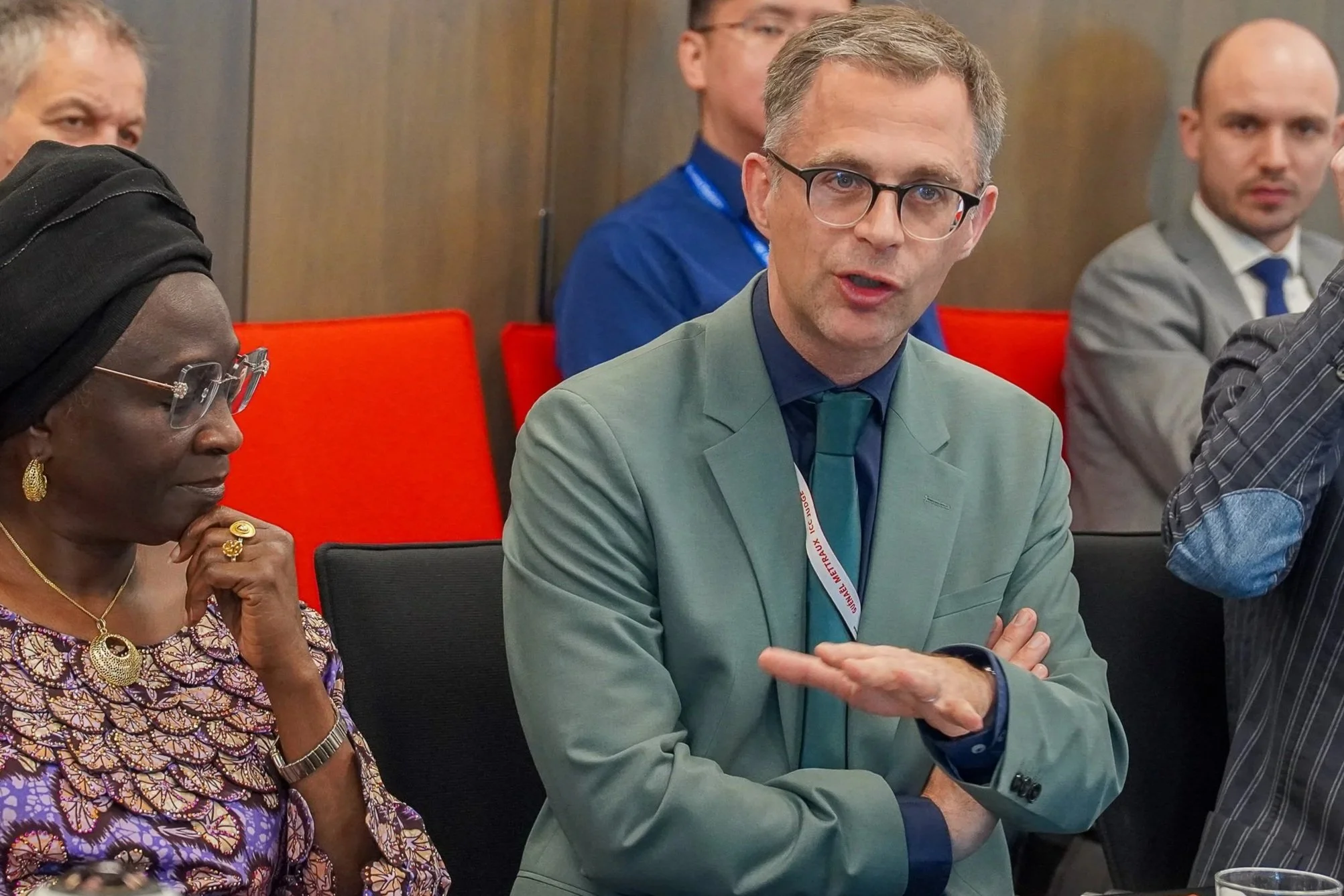
“Reconnecting economic policy with social development is not a new agenda — it is a renewed commitment to an agenda we already agreed upon.”
Oliver Hoehne, Deputy Permanent Representative at the Permanent Mission of Switzerland to the United Nations in New York.
Today, he noted, economic policy instruments are evolving. Tools, such as tariffs and trade agreements, once associated primarily with market opening are now sitting alongside industrial subsidies, due diligence frameworks, and sustainability standards that influence global value chains. The central question is no longer whether economic policy affects social outcomes, but how intentionally governments use these tools to advance inclusive and sustainable development. Read the full article to explore the key insights from his remarks.
Promoting decent work in supply chains and the digital and platform economy
Cynthia Samuel-Olonjuwon, Special Representative to the United Nations and Director of the International Labour Organization (ILO) Office in New York, brought a labour governance perspective to the discussion. Drawing on her extensive experience across the ILO, including leadership roles in Africa and postings in Geneva, Pretoria, and Abidjan. She highlighted the persistent challenge of ensuring that evolving global production systems deliver decent work outcomes.
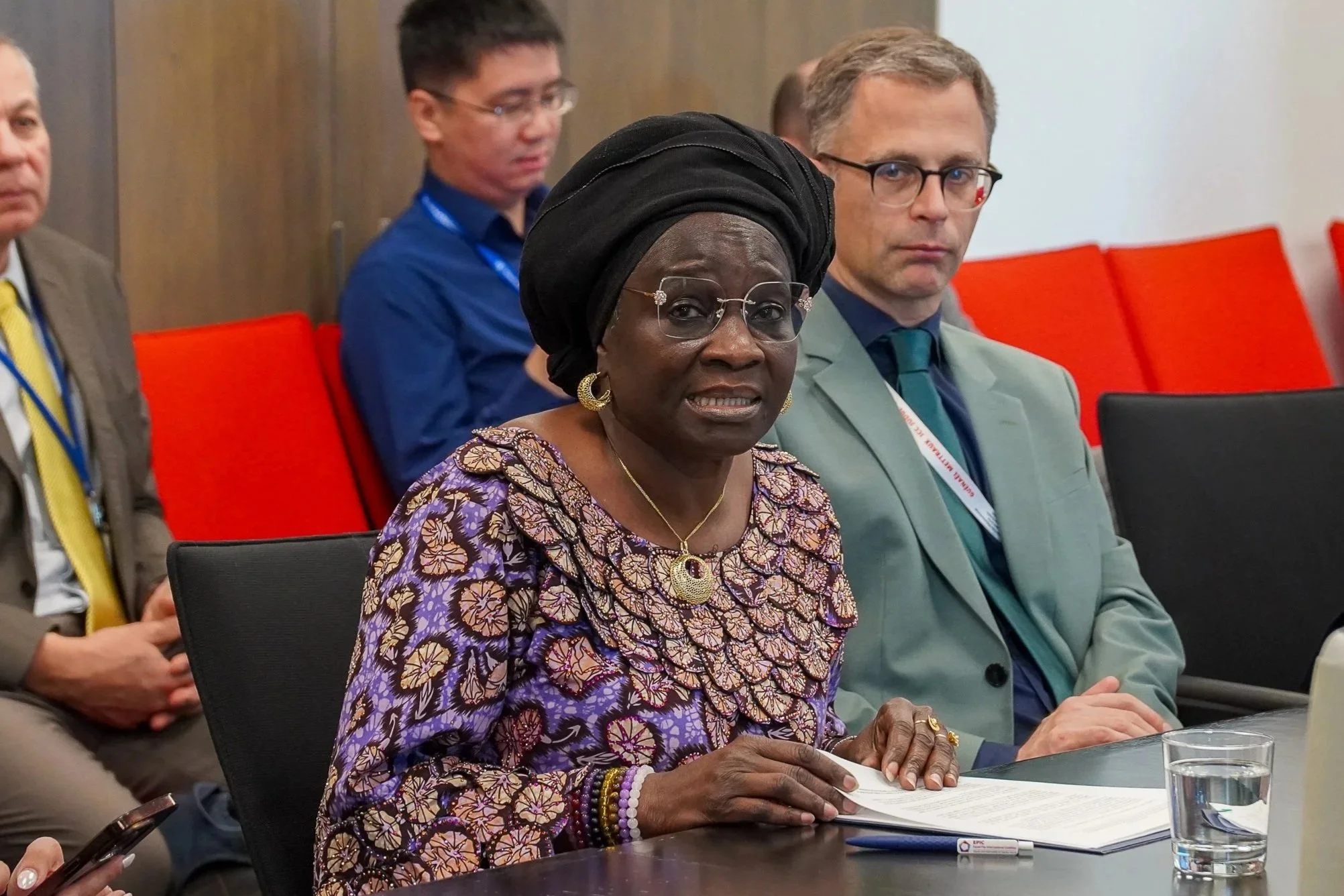
Cynthia Samuel-Olonjuwon, Special Representative to the UN and Director, International Labour Organization (ILO), New York Office.
Her remarks focused in particular on supply chains and the rapidly expanding digital and platform economy. Pointing to the ILO’s ongoing negotiations toward a new Convention and Recommendation on Decent Work in the Platform Economy, she underscored the growing effort to update international labour standards so they remain relevant in an era of digitally mediated work and increasingly complex global value chains.
Grounding Research – Reconnecting policy at the trade-labour nexus
Maria Mexi, Senior Policy Advisor, TASC Platform, Geneva Graduate Institute and Visiting Fellow, ILR Global Labour Institute, Cornell University, enriched the conversation with insights from the TASC Platform’s Trade and Labour Programme, drawing on case studies on the digital transition in Kenya and the green transition in Indonesia. Her intervention invited participants to revisit a core assumption behind the dialogue’s theme, whether economic policy and social development were ever truly aligned. As she noted, “Trade and economic policy frameworks have always been connected, in some way, to social outcomes. Bad economic policies produce inequality. Trade can destroy jobs or it can create new ones.”
Her reflections highlighted a key finding from the research: the challenge is not the absence of labour standards or commitments on paper, but the gap between economic transformation and labour governance in practice. From platform work in Kenya to the rapidly expanding nickel value chain in Indonesia, the case studies illustrate how workers often absorb the costs when policies fail to align.
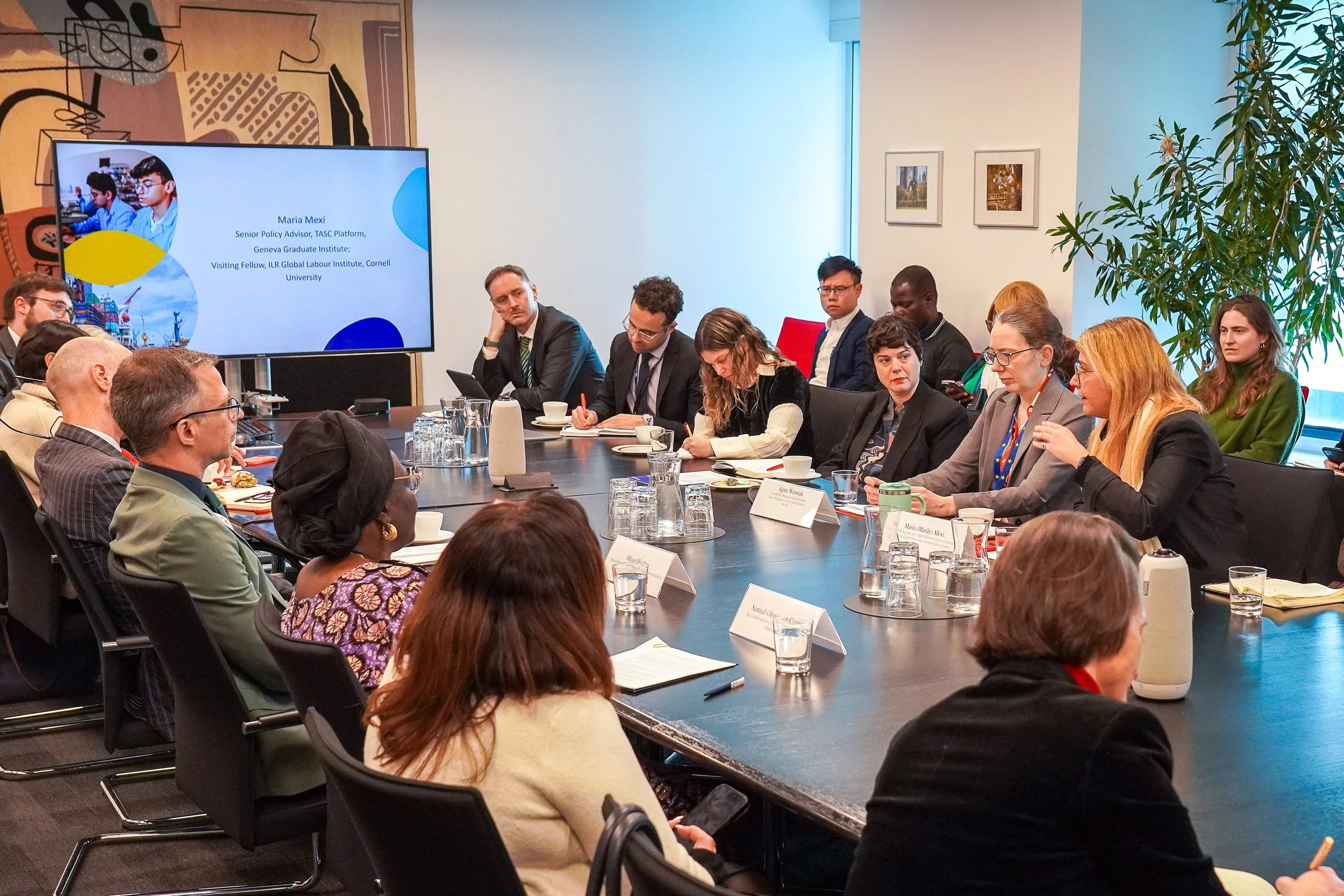
As Mexi concluded, “Standards alone cannot deliver a fair transition. Implementation matters.”
Maria Mexi, Senior Policy Advisor, TASC Platform, Geneva Graduate Institute and Visiting Fellow, ILR Global Labour Institute, Cornell University
Her insights help frame the broader debate on how trade, industrial, and labour policies can be better aligned to ensure that digital and green transitions support inclusive and sustainable development.
From Insight to Implementation

Andreas Oeschger, Policy Advisor at the Swiss State Secretariat for Economic Affairs (SECO) and member of Switzerland’s delegation to the CSocD
As the event drew to a close, I reflected on the richness of the exchanges and the breadth of tools now available to policymakers. What emerged clearly from the dialogue is that we are no longer operating with a limited set of instruments. Today, policymakers are equipped with a robust and ever-expanding “toolbox” of trade-related instruments capable of driving meaningful social progress.
Since the landmark World Summit for Social Development, both the evidence base and the practical tools for aligning trade policy with social outcomes have evolved significantly. Yet the real challenge now lies in implementation. With the recent adoption of the Doha Declaration, the responsibility shifts squarely to the international community to move beyond ambition and translate commitments into concrete action.
In closing there is a clear opportunity. As reflected in SDG 17, which underscores that trade policy is not just an economic lever, but a vital means of delivering on the broader 2030 Agenda for Sustainable Development, including its critical social development objectives.


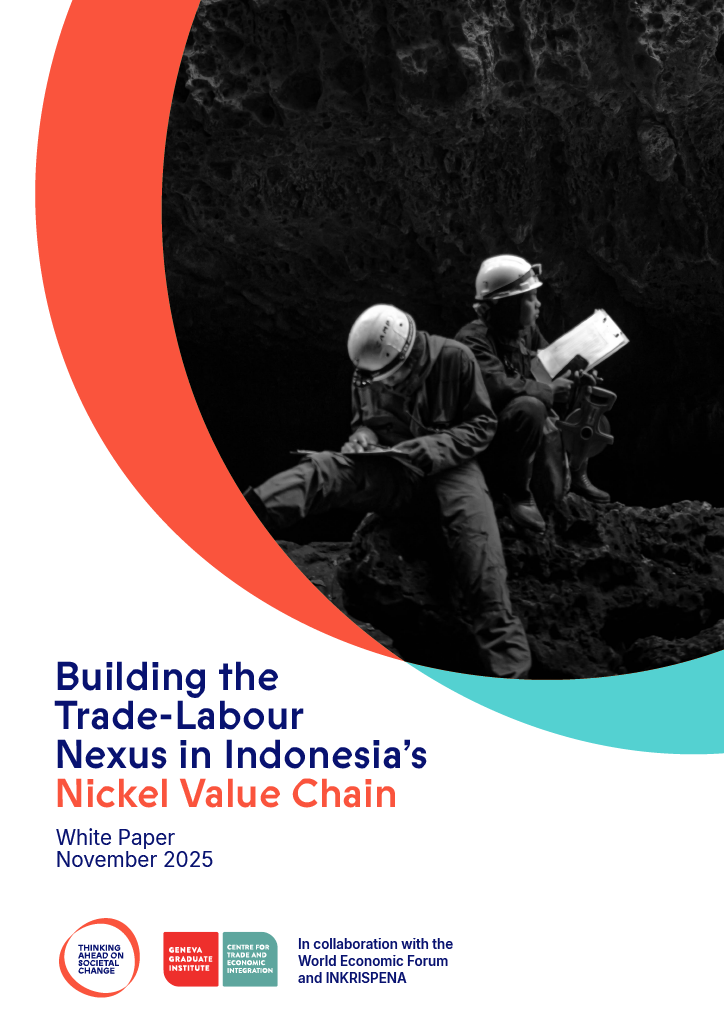
The Trade and Labour Programme convenes stakeholders across trade and labour research, policy and practice to examine how economic, digital and climate transitions can deliver more just and inclusive outcomes. Through fieldwork, multistakeholder dialogue, and policy engagement, the programme is building momentum for a global trade system that is socially responsive, economically resilient, and fit for the future of work, and the future of working together.
📬 Interested in joining this dialogue? Get in touch with us.