


Giving Complex challenges
and New ideas a home
The TASC Platform develops tools, shares perspectives and advances new capabilities to help policymakers make sense of change, strengthen resilience and develop people-focused policy responses.


Governing Transitions Through Policy Coherence
In her intervention to the Geneva Dialogue on Trade and Labour, held during Geneva Trade Week 2026 as part of the WTO Public Forum, Maria Mexi, PhD, Senior Advisor, Labour and Social Policy, TASC Platform, Geneva Graduate Institute, draws on two years of research to examine a central governance question: how can institutions keep pace with economic transformation so that transitions are just?

Designing Trade with Labour Adjustment in Mind
In her intervention to the Geneva Dialogue on Trade and Labour, held during Geneva Trade Week 2026 as part of the WTO Public Forum, Charlotte Sieber-Gasser, PD Dr. iur., Senior Researcher in International Law, Geneva Graduate Institute draws on four years of research to examine a central question: how can trade agreements better anticipate and manage labour adjustment?

Stop Saying “Trade and Labour”
In her intervention to the Geneva Dialogue on Trade and Labour, held during Geneva Trade Week 2026 as part of the WTO Public Forum, Desirée LeClercq, Associate Professor and Faculty Co-Director of the Dean Rusk International Law Centre at the University of Georgia School of Law, challenges the conventional history of trade “and” labour policy. Revisiting the Havana Charter, and the proposed International Trade Organization, she brings an often overlooked history back into view: labour was not conceived as separate from trade policy, but as part of the original trade architecture, with safeguards against protectionist abuse.
Labour Provisions in Trade Agreements: From Commitments to Decent work
In her intervention to the Geneva Dialogue on Trade and Labour, held during Geneva Trade Week 2026 as part of the WTO Public Forum, Marva Corley-Coulibaly, Senior Economist at the International Labour Organization (ILO), examines the growing role of labour provisions in trade agreements. She looks beyond their inclusion on paper to the policies, institutions and stakeholder engagement needed to translate trade opportunities into better jobs and decent work.
Trade and Labour: Rethinking The Multilateral Conversation
In his opening intervention to the Geneva Dialogue on Trade and Labour, held during Geneva Trade Week 2026 as part of the WTO Public Forum, Matthew Wilson, Ambassador to Austria, Italy & Switzerland; Permanent Representative of Barbados to the UN, WTO & other International Organisations in Geneva, examines the increasingly urgent relationship between trade and labour. He highlights tensions around competitiveness, labour standards and protectionism, and the need for greater coherence as the world of work changes.

How Can Academia Bridge Knowledge and Action for Social Justice?
In this address to the 2026 Annual Forum of the Global Coalition for Social Justice, Marie-Laure Salles, Director of the Geneva Graduate Institute, reflects on academia’s role in connecting rigorous research with policy and collective action. As the Geneva Graduate Institute approaches its centenary and concludes two years as the academic representative on the Coalition’s Coordinating Group, she returns to its founding conviction that scholarship, education and international public action must reinforce one another in advancing peace and social justice.
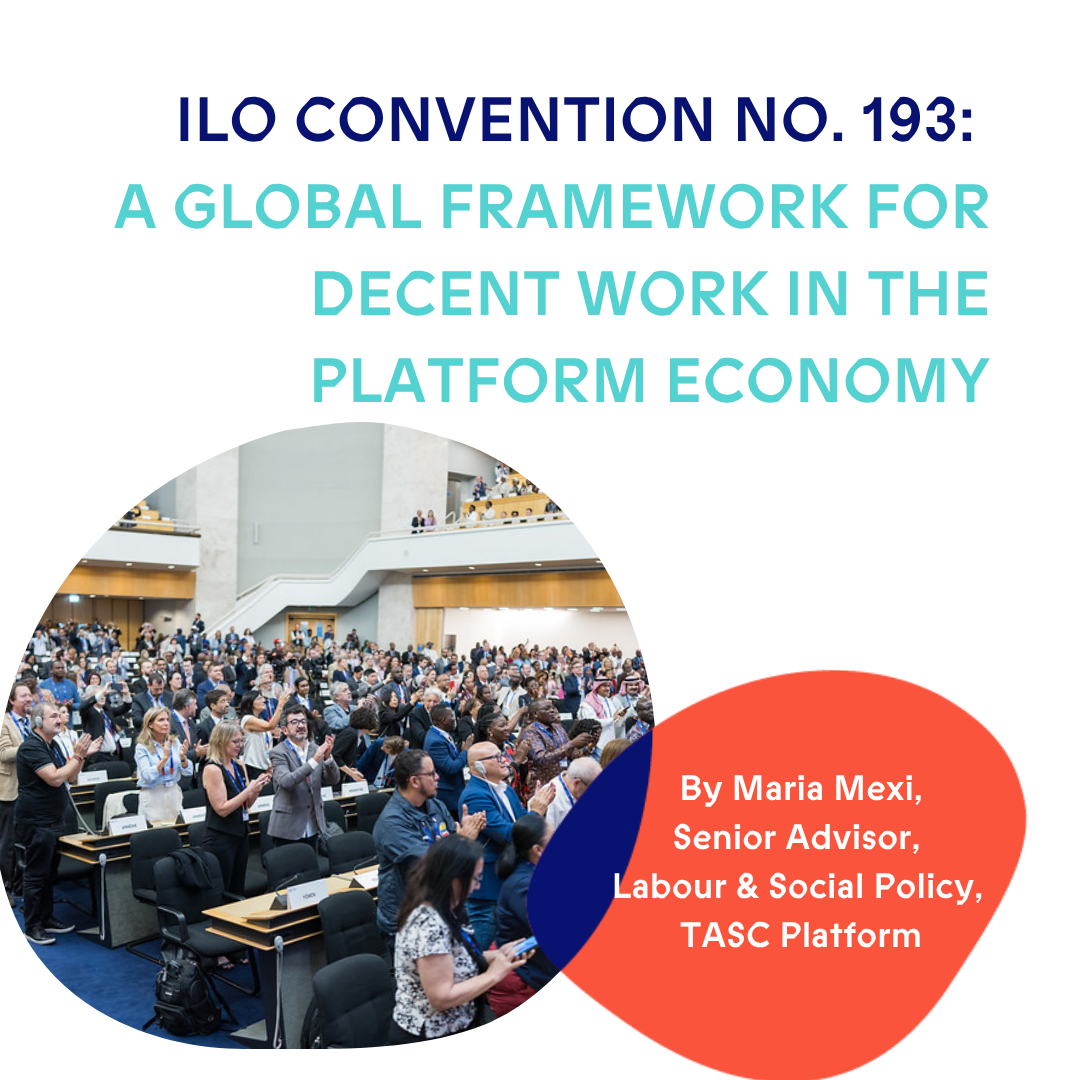
ILO Convention No. 193: A global framework for decent work in the platform economy
Dr Maria Mexi examines the ILO's first international labour standard on platform work, explaining how Convention No. 193 establishes a global framework for rights, governance, and accountability, and what successful implementation will require at national level.
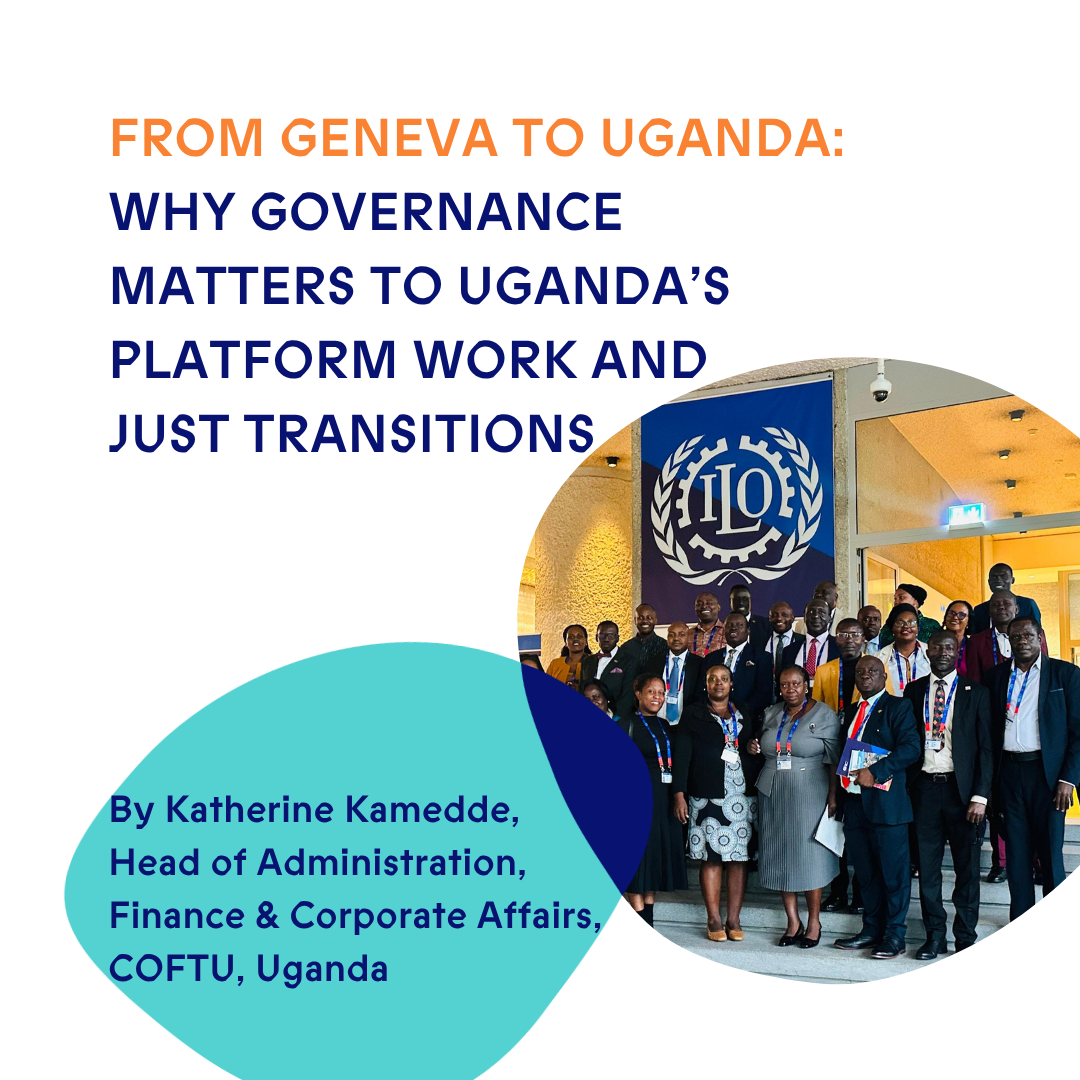
From Geneva to Uganda: Why Governance Matters to Uganda’s Platform Work and Just Transitions
In this personal reflection, Katherine Kamedde of Uganda's Central Organisation of Free Trade Unions (COFTU) explores how the adoption of the Platform Economy Convention and lessons from the International Labour Conference can help strengthen governance readiness for platform work and just transitions in Uganda.
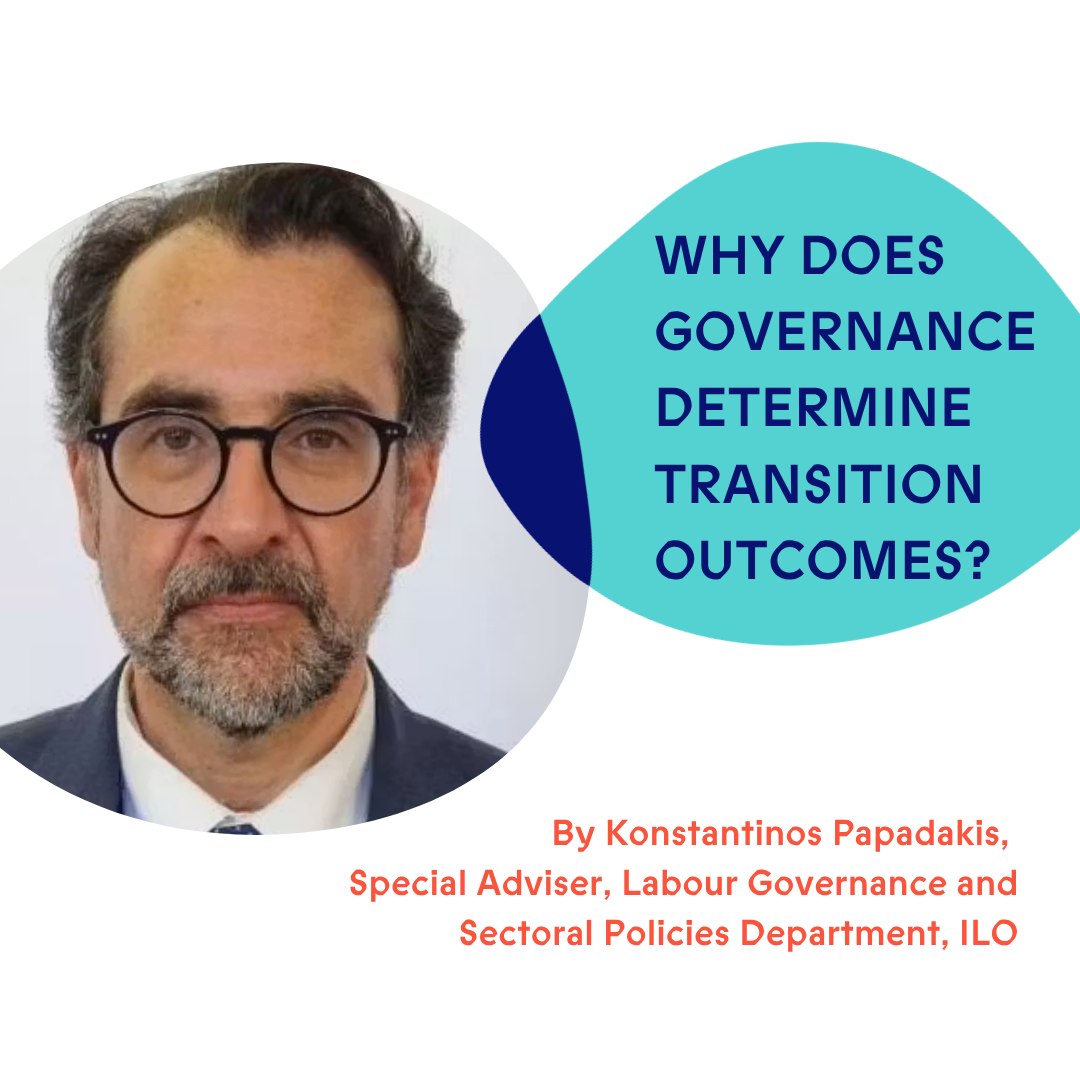
Why does Governance Determine Transition Outcomes?
In this commentary, Konstantinos Papadakis, Special Adviser at the ILO, explores why governance, institutional readiness, and social dialogue, not technology alone, determine whether green and digital transitions deliver fair and inclusive outcomes.
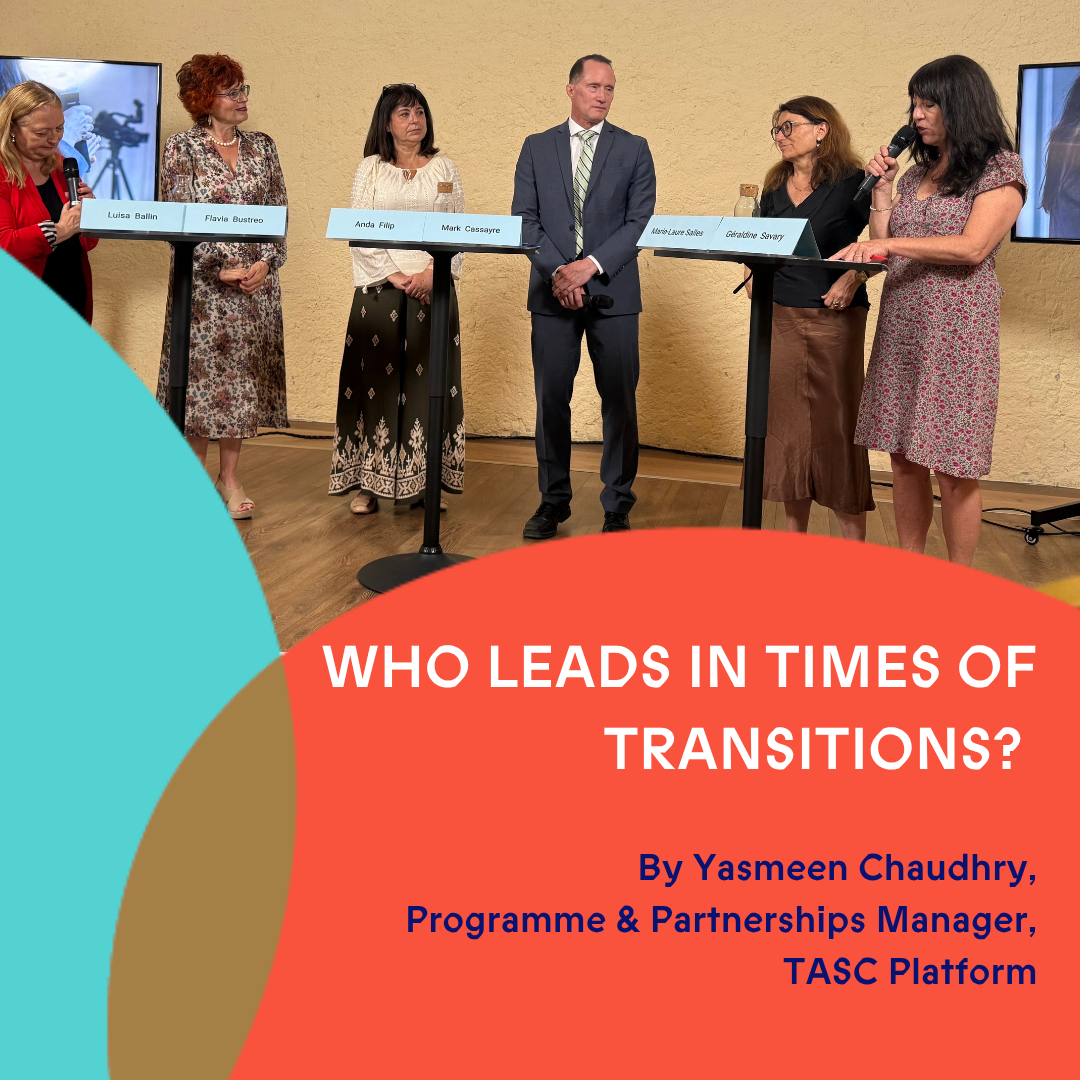
Who Leads in Times of Transition?
In this reflection, Yasmeen Chaudhry explores how the debate surrounding the next United Nations Secretary-General is prompting a broader conversation about leadership, governance, and institutional renewal at a time of profound change for the multilateral system.
Europe Can Regulate AI. But Can It Shape Pro-Worker AI?
In this article, Maria Mexi, Senior Policy Advisor, TASC Platform, examines a central question for AI governance in Europe: The EU has moved faster than most to regulate artificial intelligence. But the harder question is whether Europe has enough leverage over the AI stack to steer innovation towards worker-augmenting systems rather than importing worker-substituting ones designed elsewhere.
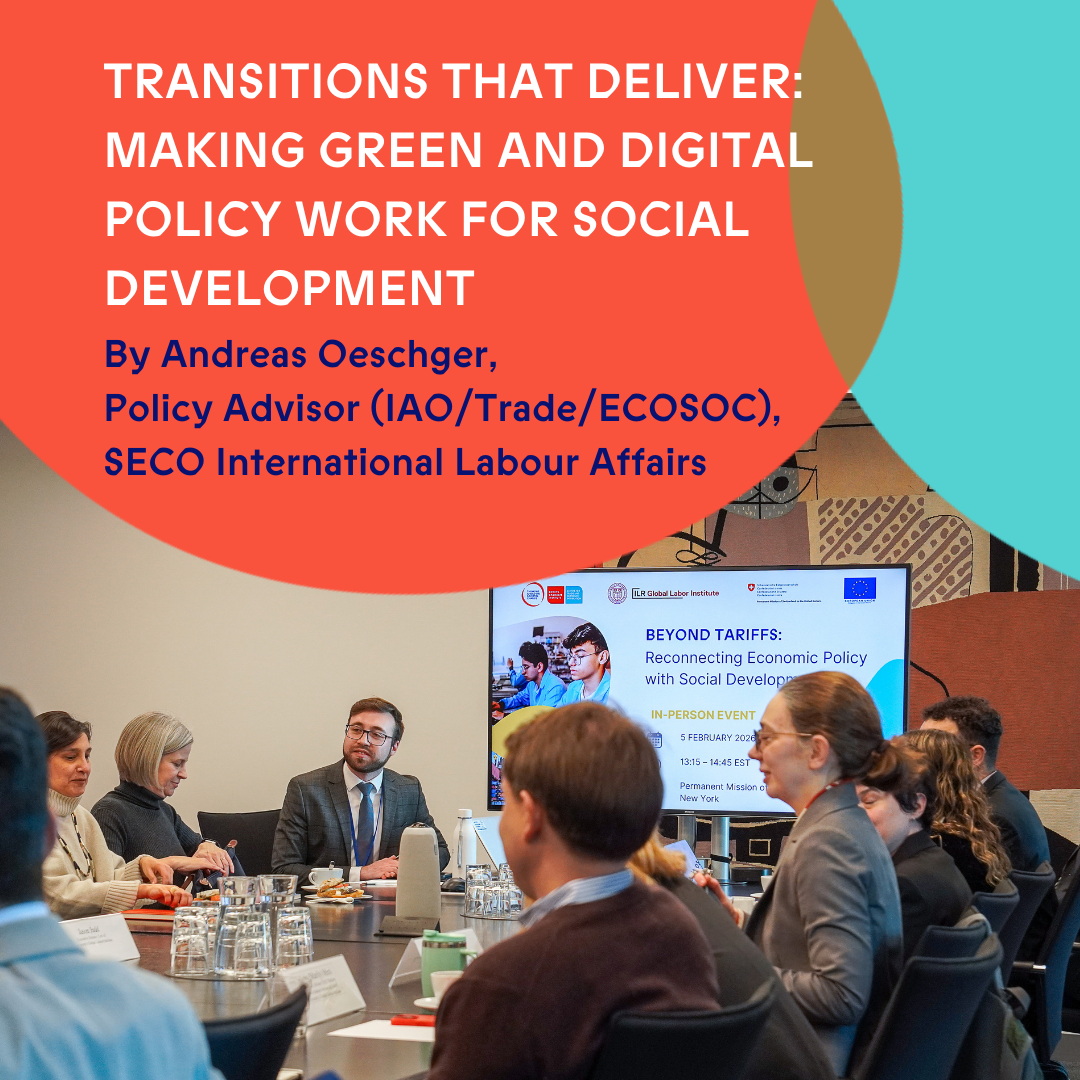
Transitions That Deliver: Making Green and Digital Policy Work for Social Development
In this reflection, Andreas Oeschger, Policy Advisor at SECO International Labour Affairs, synthesises the key takeaways from the CSocD64 side event on reconnecting economic policy with social development. His overview highlights how green and digital transition policies are reshaping economic governance and what it will take to ensure these shifts translate into decent work and inclusive growth.
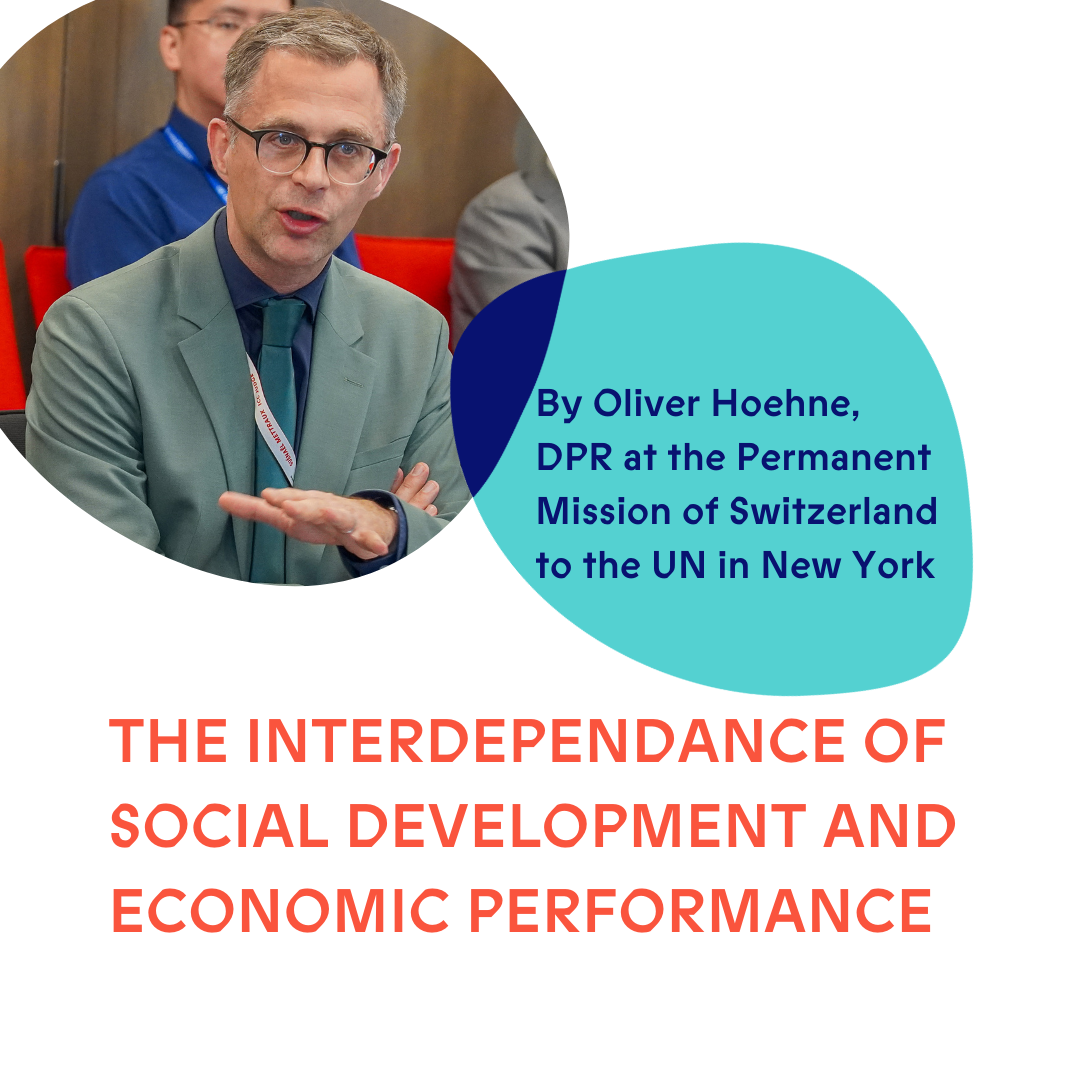
The Interdependance of Social Development and Economic Performance
Oliver Hoehne, Deputy Permanent Representative of Switzerland to the United Nations in New York, reflects on how economic policy and social development have become increasingly intertwined in today’s global economy. Tracing the evolution of policy thinking from the Copenhagen Declaration to current debates, he highlights how tools such as tariffs, industrial policy, and sustainability standards are now shaping not only markets but also social outcomes—underscoring the need for economic strategies that deliberately support inclusive and resilient development.
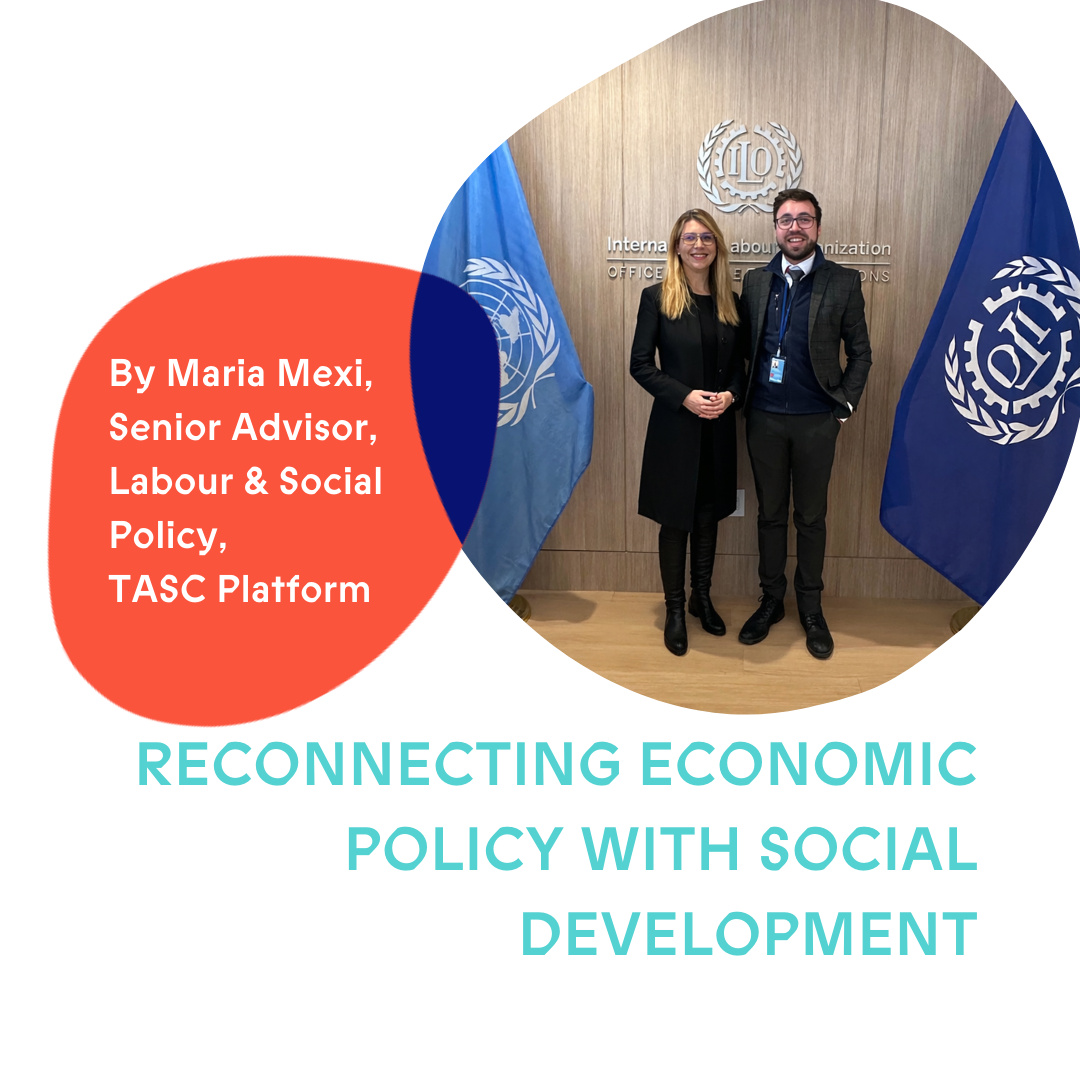
The Alignment Challenge: Reconnecting Policy at the Trade-Labour Nexus
Dr. Maria Mexi, Senior Advisor on Labour and Social Policy at the TASC Platform, explores how trade and economic policies intersect with labour outcomes in an era of digital and green transitions. Drawing on case studies from Kenya’s digital economy and Indonesia’s nickel value chain, she highlights the growing challenge of aligning economic transformation with labour governance, showing why policy coherence and effective implementation are essential to ensure that global transitions deliver decent work and inclusive development.
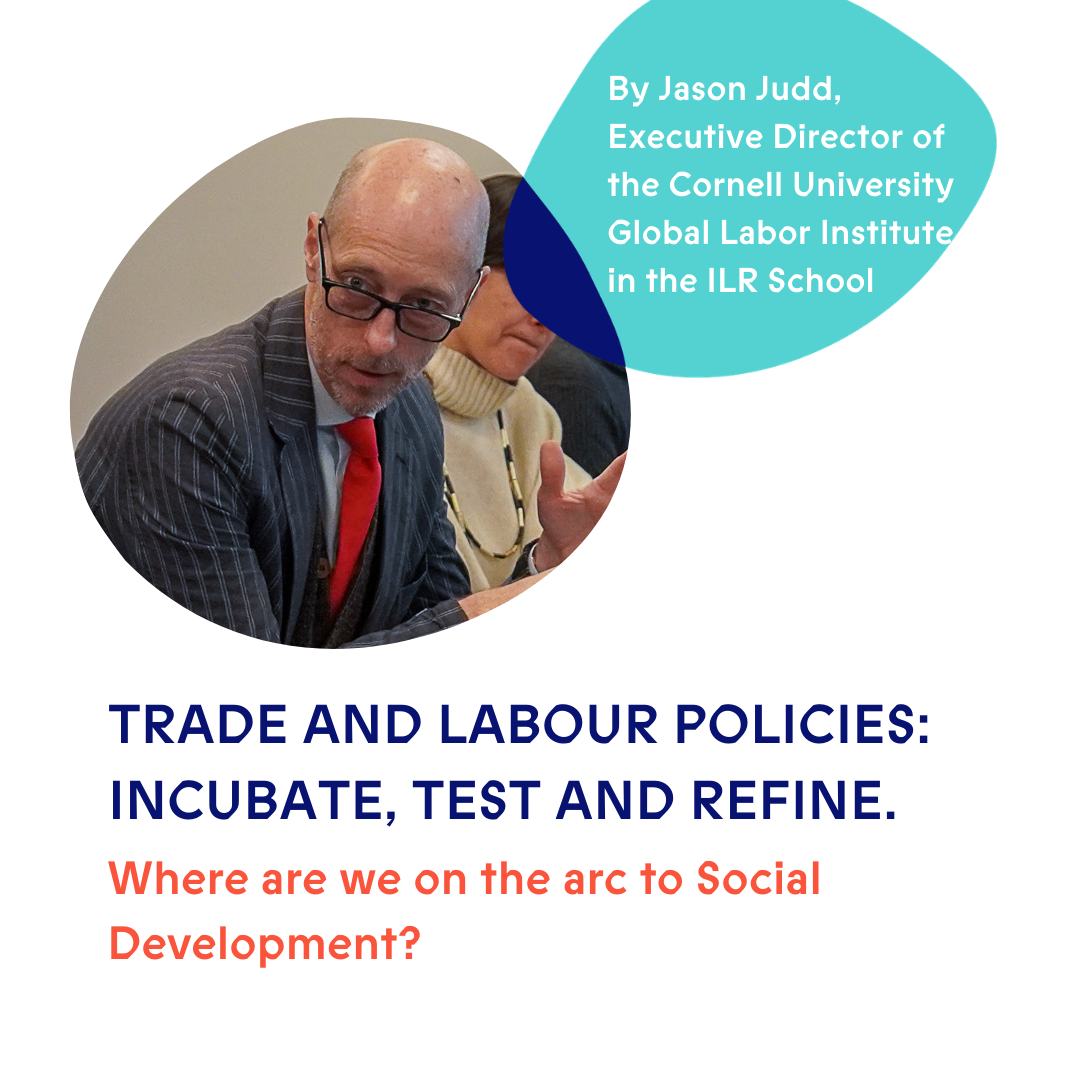
Incubate, Test and Refine: Where are We on the Arc to Social Development?
Jason Judd, Executive Director of the ILR Global Labor Institute at Cornell University, sets the scene for the dialogue by tracing how trade policy has evolved over three decades, from NAFTA’s loosely attached labour provisions to more integrated approaches such as USMCA and emerging due diligence frameworks. Framing this evolution as a long process of incubating, testing, and refining ideas, he asks a central question: are these new tools truly delivering better outcomes for workers and social development?
Advancing social justice in practice: From coalition to action
On World Day of Social Justice, our Director, Marie-Laure Salles of the Geneva Graduate Institute, underscores the urgency of mobilising academia and the wider research community. She positions universities as catalysts for knowledge, connection, and concrete action within the Global Coalition for Social Justice.
Anchoring Economic Growth and Development in the Pursuit of Human Flourishing
Richard Samans, Senior Fellow at the TASC Platform, outlines why global economic priorities must shift toward human well-being, resilience, and inclusion. His latest article connects this agenda to the Global Social Summit, calling for coordinated action to reshape growth and development models worldwide.
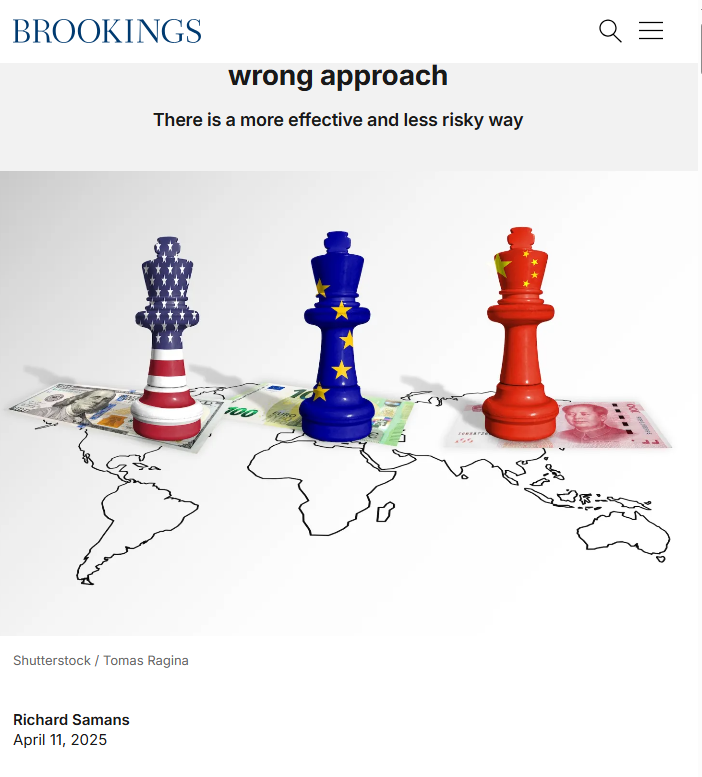
A four-part “G3” US-Europe-China accord to address global economic imbalances
Richard Samans, TASC Senior Fellow at Geneva Graduate Institute,
In his latest Brookings article, Richard Samans argues that while global economic rebalancing is necessary, tariff-led strategies are the wrong tool—calling instead for coordinated fiscal, monetary, trade, and social policies.

Minimizing the negative effects of technological unemployment in the age of AI:A realist view
Janine Berg from the International Labour Organization (ILO) presents a realist view on AI and technological unemployment, acknowledging both risks and rewards. While AI may not eliminate most jobs, vulnerable workers, particularly women, face significant risks. Effective policies like reskilling, redeployment, and social protections are essential to minimize negative impacts.

INTERVIEW WITH GILBERT F. HOUNGBO, DIRECTOR-GENERAL, ILO
The Director-General of the International Labour Organization (ILO), highlights the multiple crises and existing trends that are shaping the world of work. He emphasizes the importance of human-centered policies, working together, and prioritizing social justice to achieve a sustainable and equitable future.
