

Responsible Business in Conflict: Why Heightened Human Rights Due Diligence Can’t Wait
Annika Erickson-Pearson brings three key takeaways from our Business & Conflict Community of Practice Annual Meeting, highlighting what responsible business in conflict demands today.
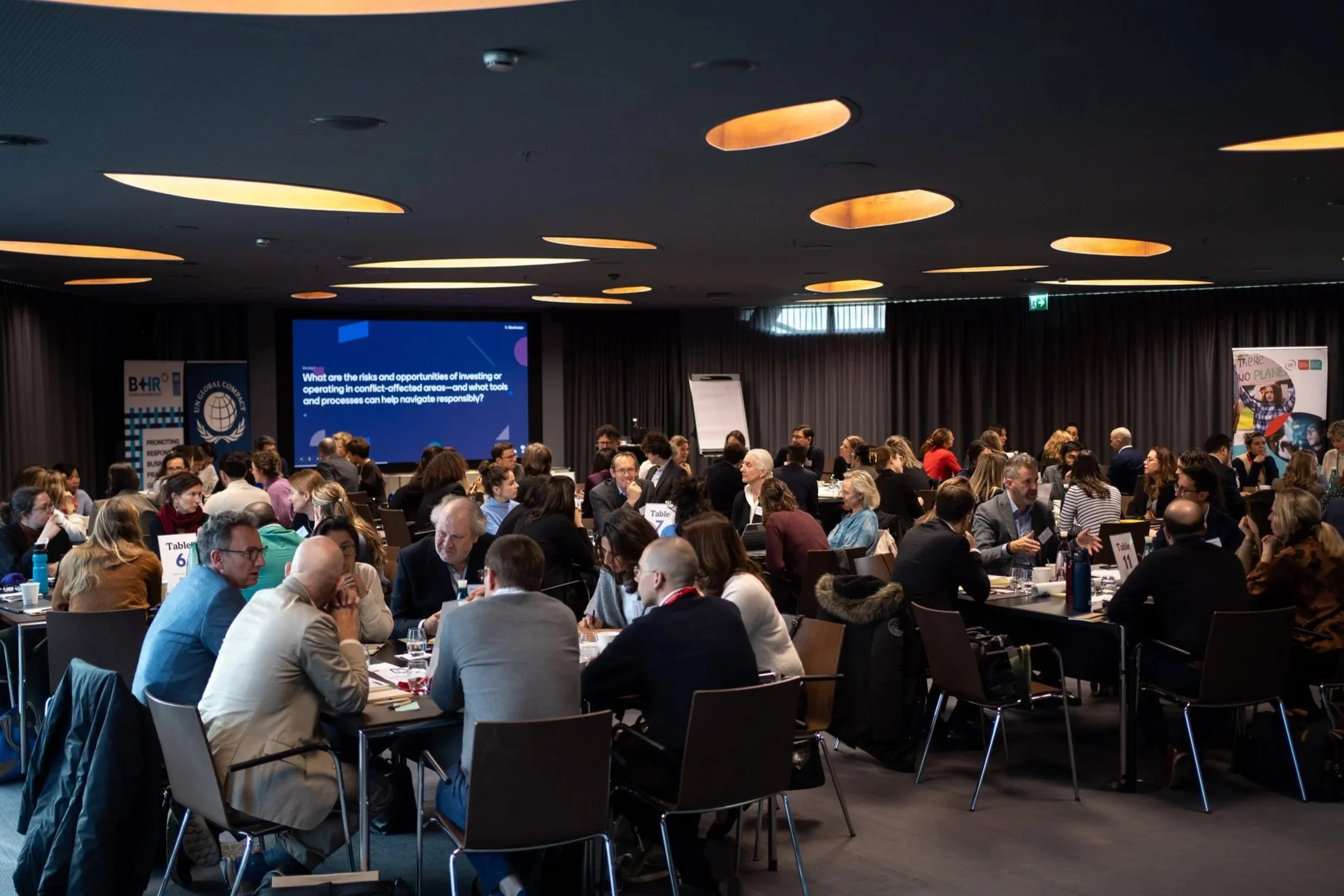
Business and Conflict Community of Practice (CoP) Annual Meeting
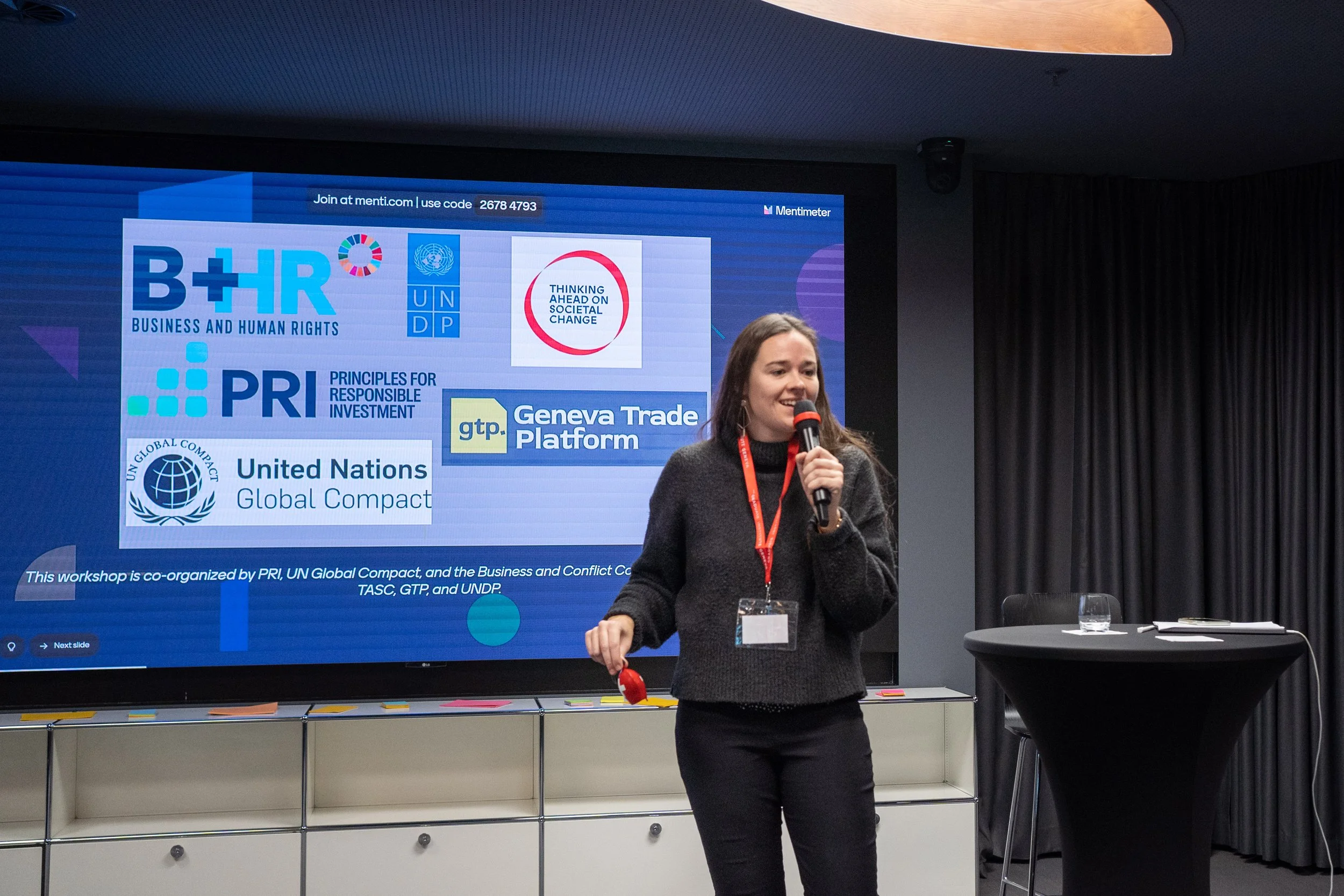
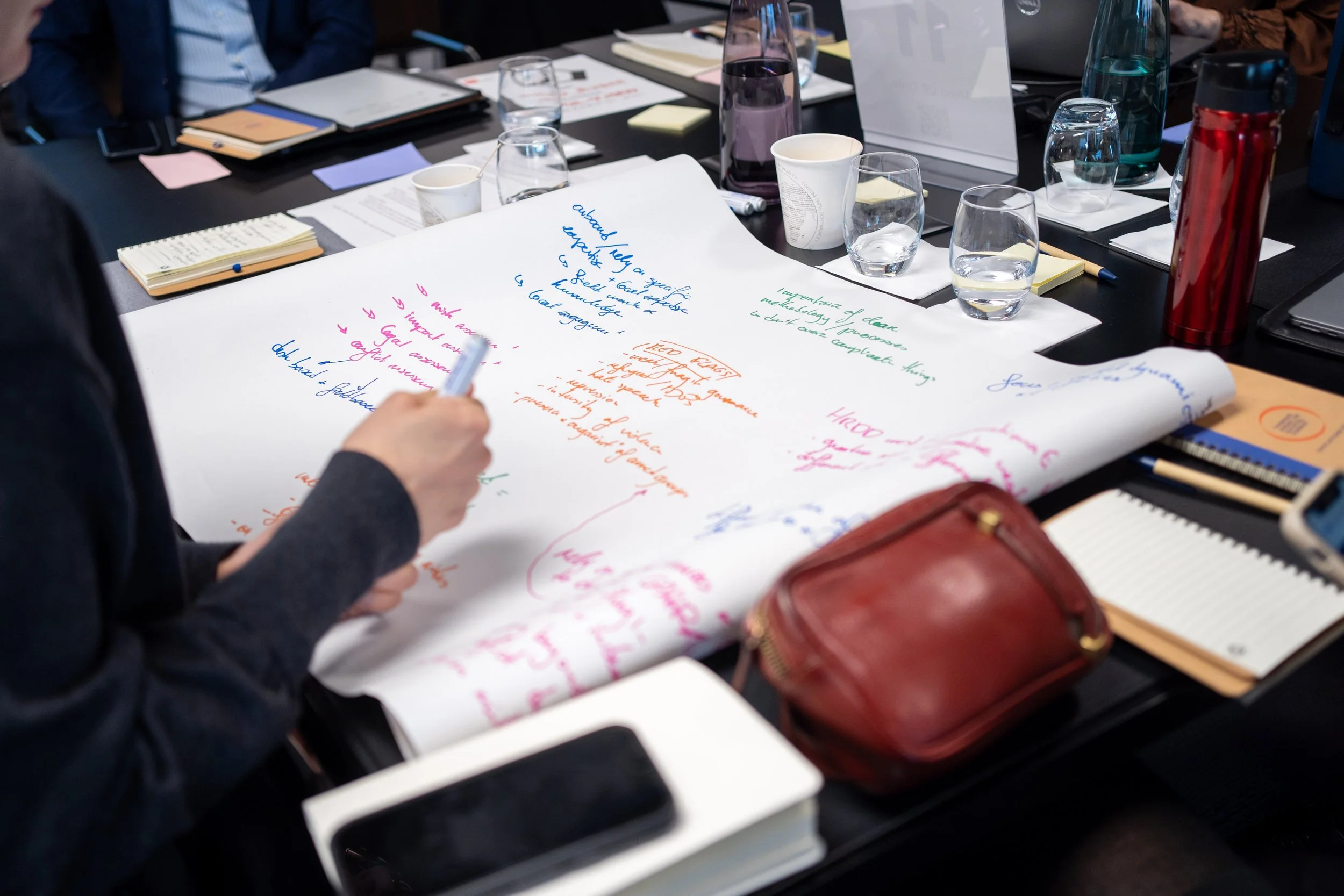
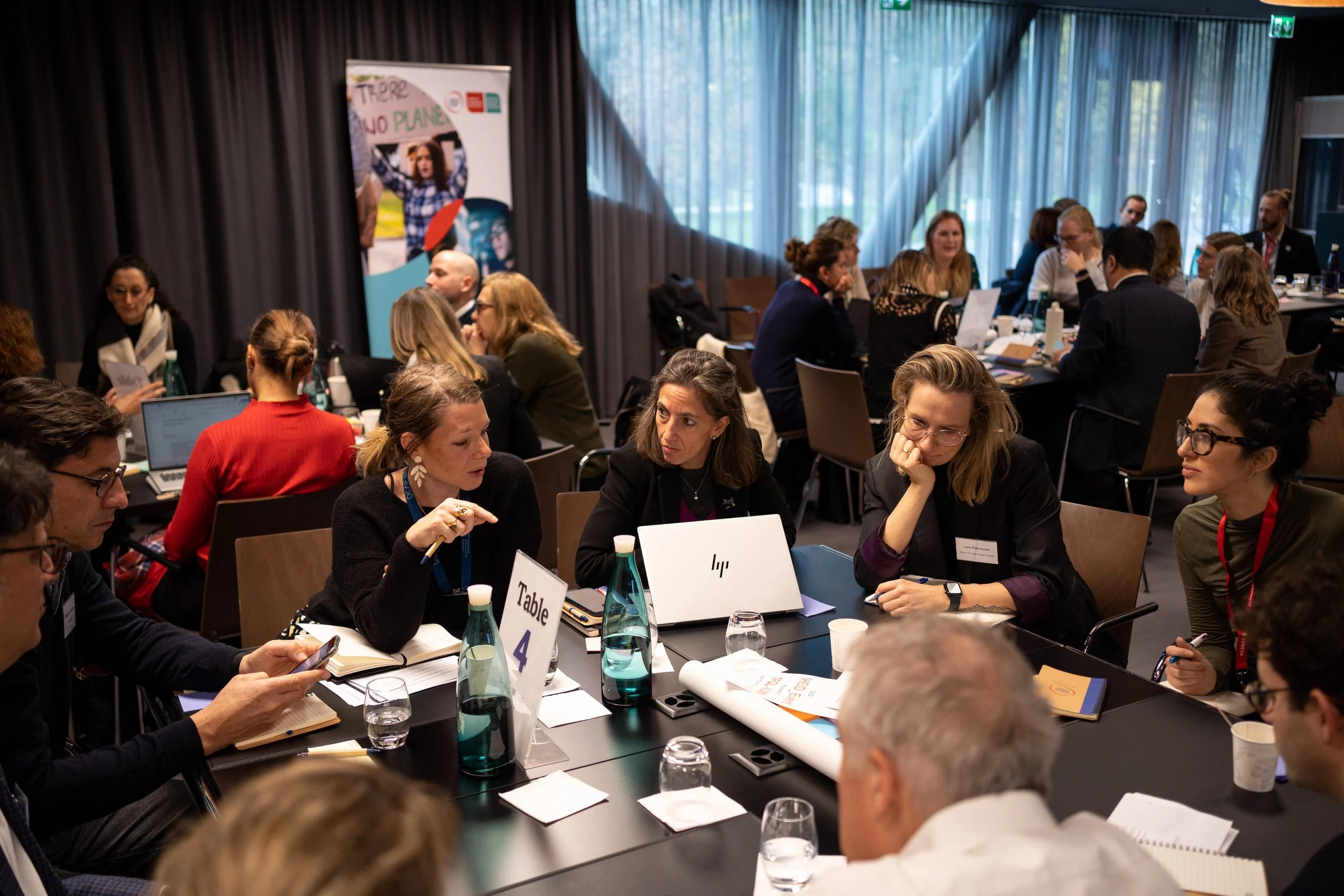
As the 14th United Nations Forum on Business and Human Rights concluded, more than 120 experts, practitioners, investors, and corporate leaders joined the Business and Conflict Community of Practice (CoP), PRI and the UN Global Compact for a full-day workshop on responsible business conduct in conflict-affected and high-risk areas (CAHRAs) on 27 November 2025, in Geneva.
The discussions reaffirmed a pressing reality:
“as geopolitical instability evolves, companies and investors must urgently strengthen their heightened human rights due diligence (hHRDD) and conflict-sensitive practices.”
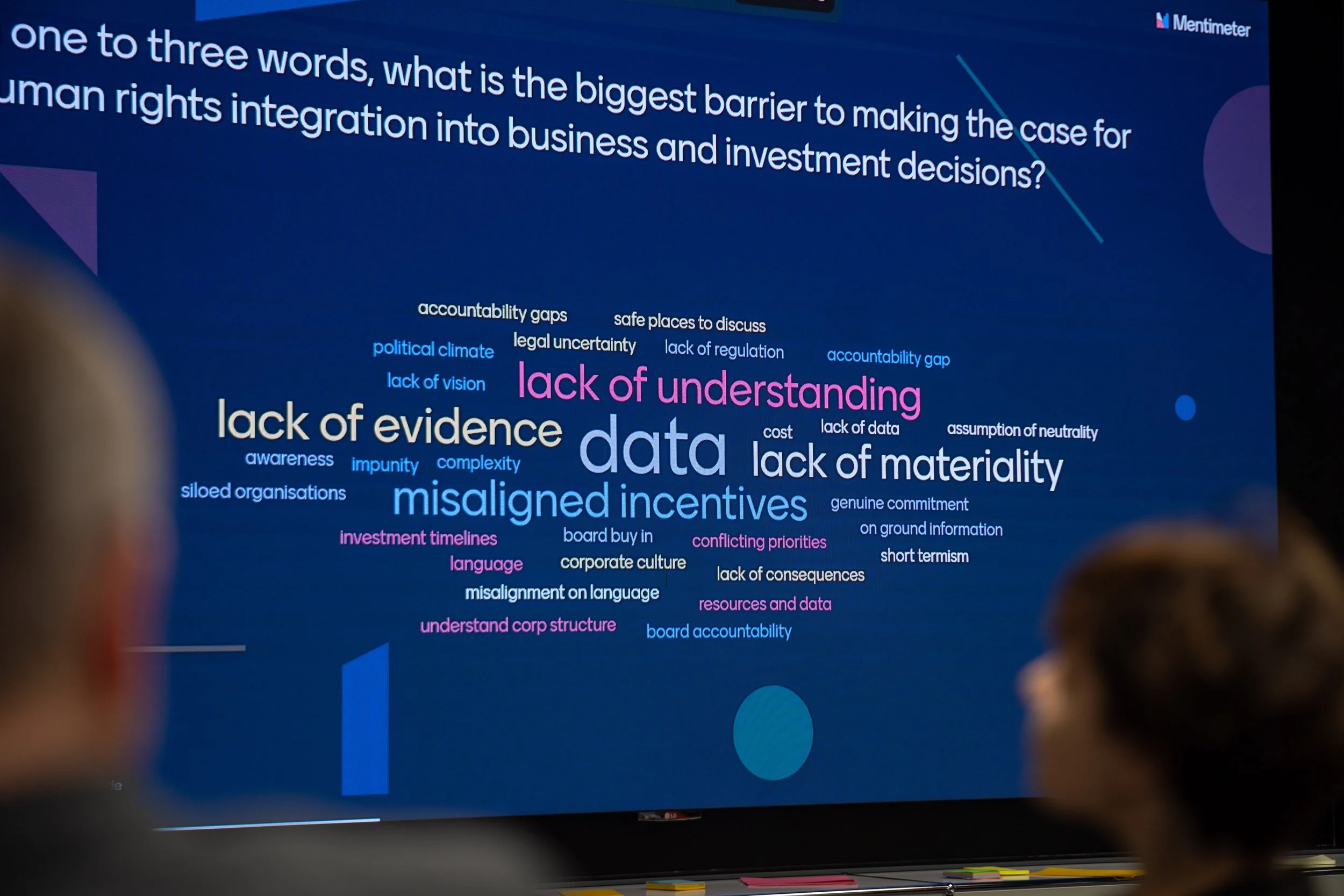
At the workshop, this tension surfaced repeatedly. Participants underscored the need for better data, context-specific analysis, and stronger internal governance to guide decisions under pressure. They highlighted how short-termism, limited local knowledge, and siloed decision-making can obstruct responsible action. Yet they also pointed to emerging opportunities: integrating conflict considerations into global reporting standards, co-developing conflict-sensitive analysis with peers, and improving board-level understanding of conflict exposure. As always, hHRDD was at the center of the conversation.

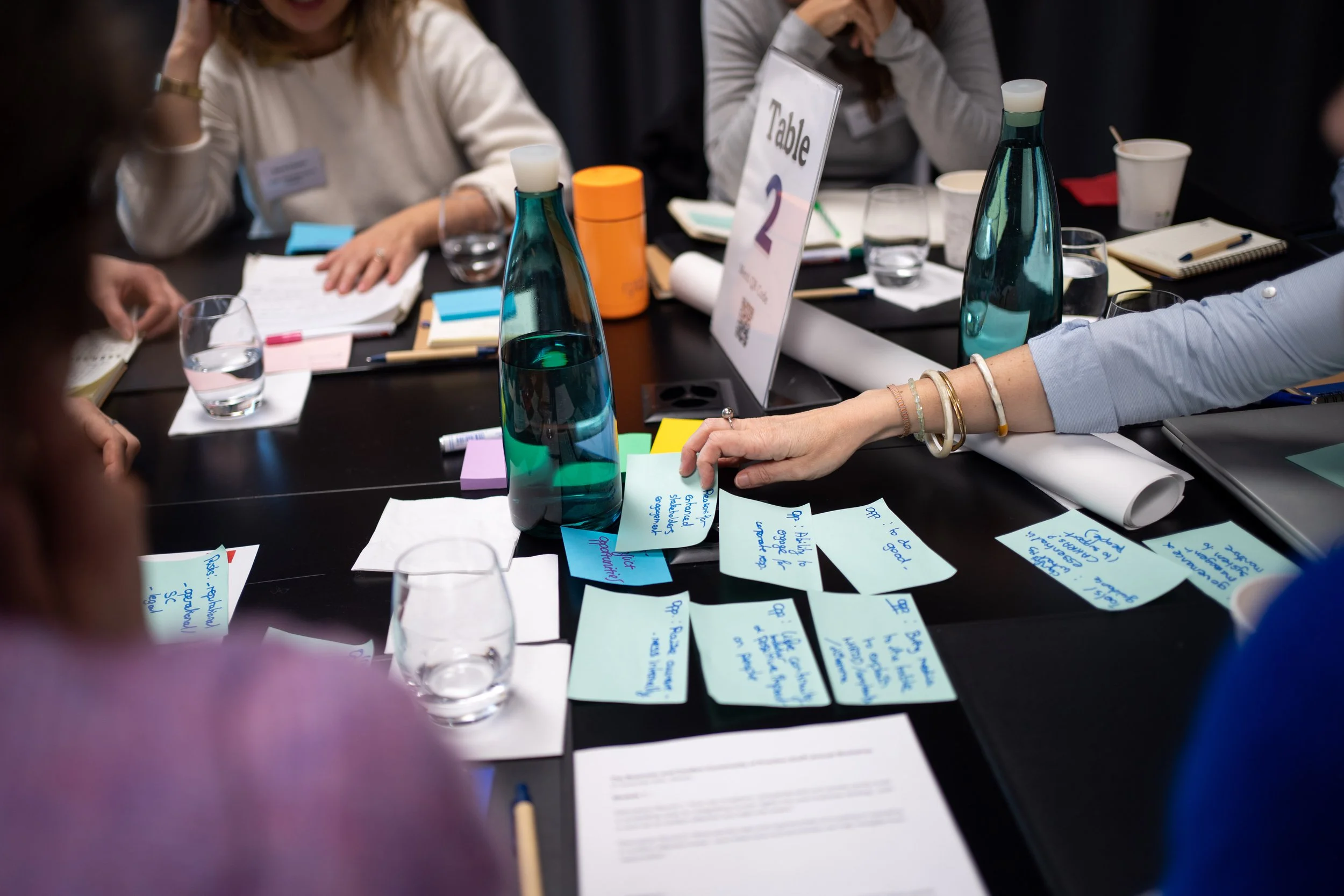

Heightened human rights due diligence (hHRDD) is an evolution of standard human rights due diligence tailored specifically for conflict-affected and high-risk areas. It requires companies and investors to go beyond identifying human rights risks and to understand how their operations interact with the dynamics of conflict itself. hHRDD integrates conflict analysis, international humanitarian law, and conflict-sensitivity into existing HRDD processes, ensuring that business decisions account for shifting power structures, historical grievances, and potential links to parties to conflict.
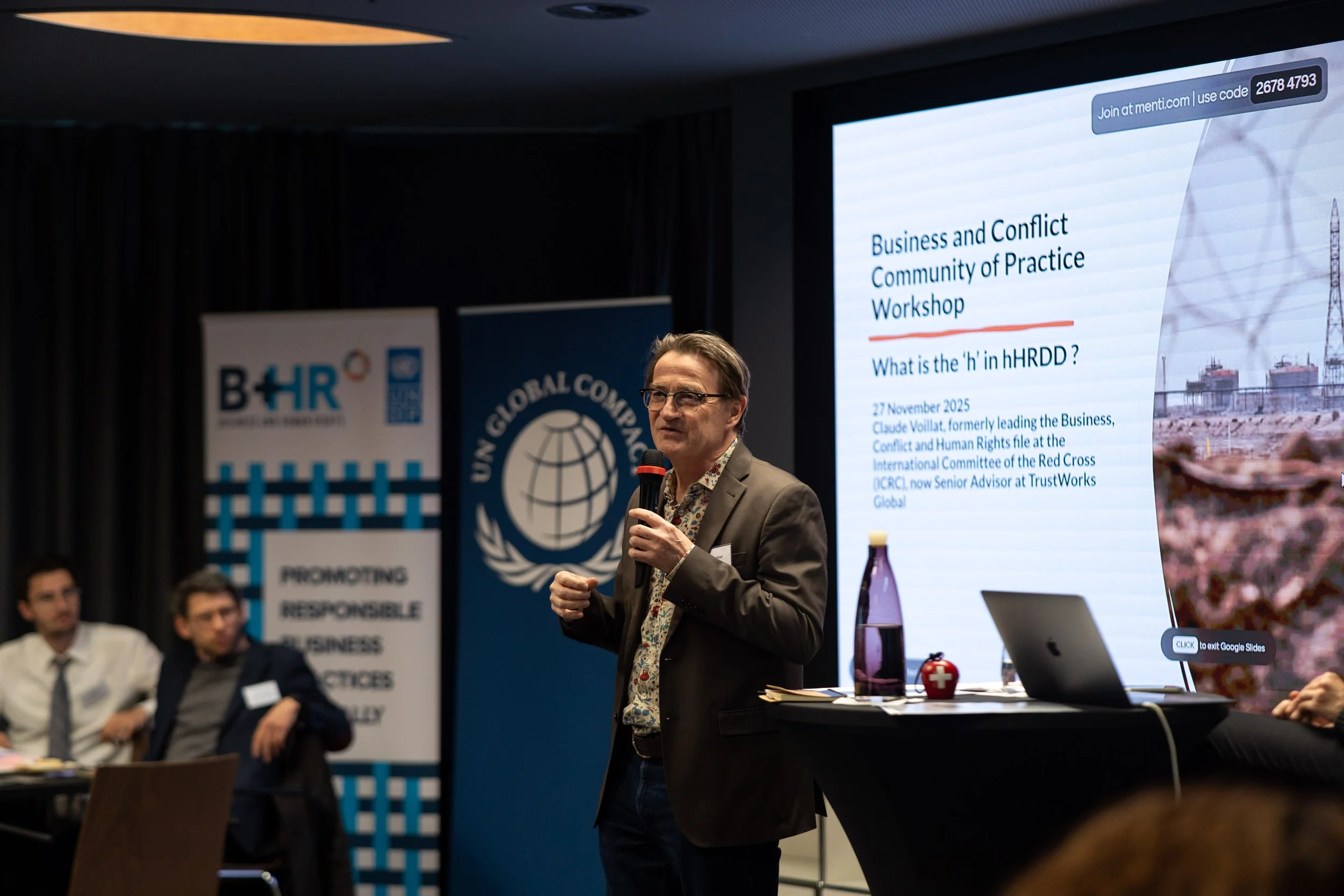
Claude Voillat, Expert - Responsible Business Practices in Fragile and Conflict Settings
The workshop shifted gears in the afternoon, focusing on a concept note for a new set of Principles for Responsible Defence Investment (PRDI), an emerging initiative that aims to guide responsible engagement with the defence and security sectors. The PRDI will offer practical, non-binding guidance and is currently open for community input. Investors and practitioners interested in contributing to the PRDI process can find details and share feedback at linktr.ee/eiriscrn.

To connect with peers, or explore resources on hHRDD and conflict-sensitive business practice, visit the Business and Conflict CoP at businessandconflictcommunity.com.
“This community has grown and evolved over the past three years, finding new ways to engage with the expanding community of investors and businesses focused on responsible business in conflict. It s clear that this topic has real-world implications for so many different stakeholders, and that people are looking for a place to discuss and learn.”
Business choices in conflict shape human lives, and we have a responsibility to get them right.
The Business in Conflict Community of Practice is co-hosted by the TASC Platform, Geneva Trade Platform, and UNDP, which also provides the financial support that makes the community possible.